4.9 Out of 5 based on 875 reviews

PNF: Proprioceptive Neuromuscular Facilitation

Proprioceptive Neuromuscular Facilitation (PNF) is a specialised physiotherapy technique designed to improve flexibility, strength, coordination and movement patterns. Originally developed for neurological rehabilitation, PNF is now widely used in musculoskeletal physiotherapy, including within the management of scoliosis.
What is the PNF Technique
Proprioceptive Neuromuscular Facilitation (PNF) is a therapeutic approach that uses specific movement patterns, manual resistance and sensory feedback to encourage the body’s neuromuscular system to work more efficiently. The term “proprioception” refers to the body’s ability to sense positioning in space, as well as the movement of joints and muscles, allowing the maintenance of balance, posture and coordinated movement.
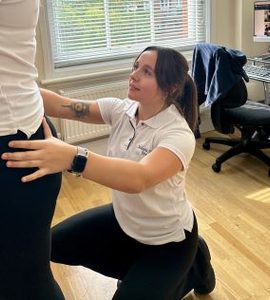
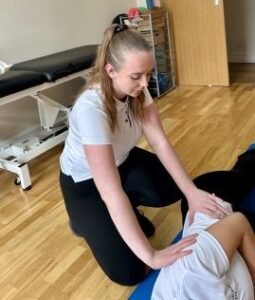
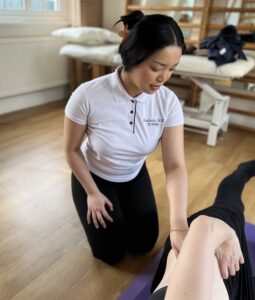
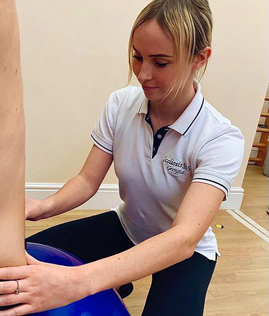
Rather than focusing on isolated muscles one at a time, PNF exercises encourage multiple muscle groups to work together through functional movement patterns. A physiotherapist may apply gentle resistance, verbal instructions and tactile cues to help patients activate muscles more effectively and improve overall movement control.

PNF is used across many areas of rehabilitation, including neurological conditions, sports injuries and spinal conditions such as scoliosis, where improving movement quality is an important treatment goal.
How Can PNF Help People with Scoliosis?
Scoliosis affects more than just the shape of the spine. Depending on the severity and type of curve, it can influence muscle balance, posture, breathing mechanics and overall movement within the body.
PNF can help address some of the muscular and functional changes associated with scoliosis. By encouraging balanced muscle activation and improving neuromuscular control, PNF may support patients in developing greater awareness of their posture and movement during everyday activities
Many individuals with scoliosis develop areas of muscle tightness alongside muscles that are comparatively weaker or less active due to the layout of the musculature. PNF techniques may be used to improve flexibility in shortened muscles while simultaneously encouraging stronger activation of muscles responsible for supporting posture
PNF Within a Comprehensive Scoliosis Rehabilitation Programme
Modern scoliosis rehabilitation rarely relies on a single treatment method. Instead, clinicians often combine several evidence-informed techniques to meet each patient’s individual needs.
PNF may be incorporated alongside scoliosis-specific exercise programmes such as Physiotherapeutic Scoliosis Specific Exercises (PSSE) including approaches such as the Schroth Method. While PSSE focuses on three-dimensional correction of spinal posture, rotational breathing and postural awareness, PNF techniques can complement these exercises by improving movement quality, muscle coordination and functional strength
How does PNF Work
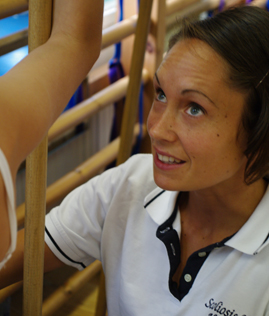
A ScolioGold Therapist first assesses posture, movement patterns, muscle strength and flexibility before deciding whether PNF techniques are appropriate
Treatment typically involves guided movement patterns performed with carefully graded manual resistance. The therapist may use verbal cues, tactile feedback and changes in movement direction to encourage efficient muscle activation and improve coordination.
Exercises are adapted to the individual, taking into account factors such as age, spinal curve pattern, flexibility, pain levels and treatment goals
Evidence Supporting PNF for Scoliosis
Research suggests that PNF techniques can improve flexibility, balance, muscular coordination and functional movement across a variety of rehabilitation settings. Within scoliosis care, PNF is generally considered a supportive treatment rather than a standalone intervention.
Current evidence supports the use of scoliosis-specific exercise programmes as the primary conservative treatment approach, with complementary physiotherapy techniques such as PNF helping to optimise movement control and muscular function where clinically appropriate.
As with any rehabilitation programme, treatment should always be tailored to the individual following a detailed clinical assessment.
FAQs
How does the PNF technique help scoliosis?
PNF can help improve muscle coordination, flexibility, posture and movement control, making it a useful addition to a broader scoliosis rehabilitation programme
Is the PNF technique a treatment for scoliosis?
PNF is not a standalone treatment for correcting scoliosis. It is typically used alongside evidence-based scoliosis-specific exercise programmes and other conservative treatments.
Who can benefit from PNF for scoliosis?
PNF may be suitable for adolescents and adults with scoliosis who would benefit from improving movement quality, muscle balance and postural control following an assessment by a qualified physiotherapist.
Is PNF painful?
PNF techniques should not be painful. Some stretching may feel challenging, but exercises are adapted to each individual’s ability and comfort level.
Supporting Your Scoliosis Rehabilitation
PNF is one of several physiotherapy techniques that can help improve movement, coordination and postural control in people living with scoliosis. As part of an individualised rehabilitation programme, it may complement scoliosis-specific exercises to help patients move more efficiently and confidently. If you would like to learn more about conservative scoliosis treatment options, book an initial consultation with the Scoliosis SOS Clinic to discuss whether a personalised programme, including the ScolioGold method where appropriate, could benefit you.
📞 02074884428
🌐 www.scoliosissos.com
📷 @scoliosissosclinic
📧 enquiries@scoliosissos.com
📍 63 Mansell Street, London, E1 8AN (headquarters)