4.9 Out of 5 based on 875 reviews

Living with a curved spine can be painful.
Some scoliosis sufferers experience relatively little back pain, but for others, scoliosis is a source of near-constant suffering and discomfort.
This can have an enormous effect on one’s day-to-day life.
The impact of scoliosis pain
- Quality of life: Living with pain makes it harder to enjoy life’s happiest moments, and it can make stressful situations even more challenging.
- Long-term disability: Persistent back pain can limit one’s ability to participate in certain activities and may even interfere with everyday tasks like washing and getting dressed.
- Mental health: Chronic back pain is associated with “high levels of psychological distress” [source] and may lead to an increased risk of depression.
Treating back pain with exercise-based scoliosis therapy
There are multiple ways to manage scoliosis-related back pain. Over-the-counter painkillers can alleviate a certain amount of discomfort, and doctors may prescribe stronger medication if appropriate. In the most severe cases, spinal fusion surgery may be recommended.
But what about physical therapy?
We at the Scoliosis SOS Clinic (in collaboration with Monash University in Melbourne, Australia) conducted research to answer the following questions:
- Can a 4-week ScolioGold treatment programme reduce pain in scoliosis sufferers?
- Will the outcome of the treatment course be maintained 6 months later?
Treating the patients
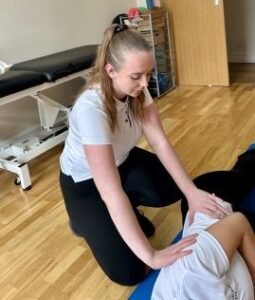
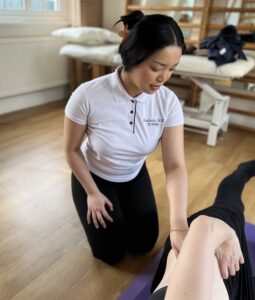
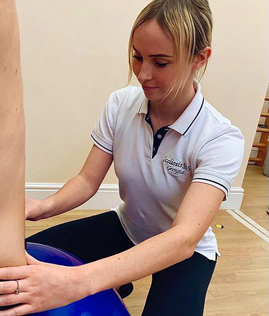
All 35 patients completed a 4-week ScolioGold treatment course. The ScolioGold method incorporates a wide variety of non-surgical treatment techniques from all over the world. Here are just a few of them:
Did it work?
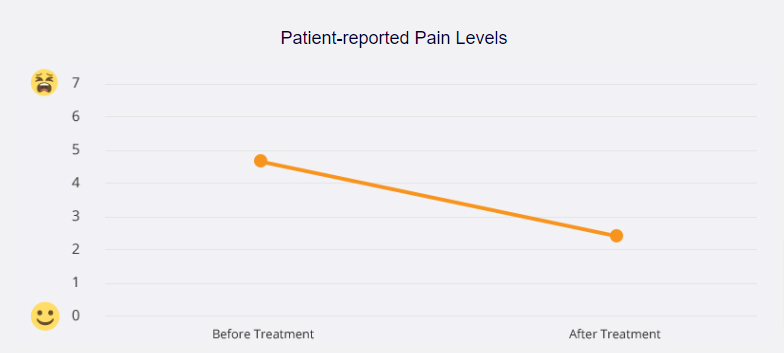
This graph shows how patient-reported pain levels changed after 4 weeks of ScolioGold treatment:
As you can see, there was a significant decrease in reported pain after the 4-week treatment course.
But short-term pain reduction is one thing. We wanted to know if our ScolioGold therapy programme could achieve lasting results for patients experiencing scoliosis-related pain.
Did it last?
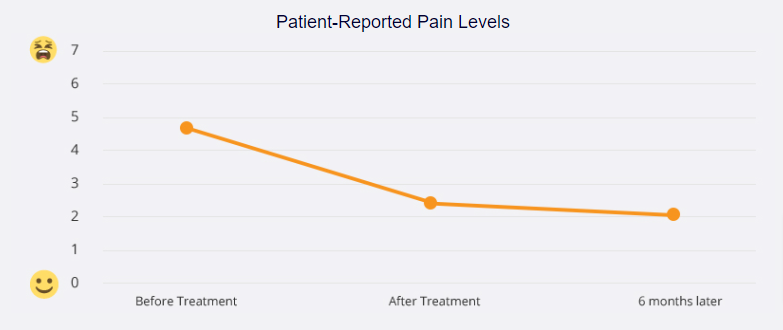
6 months after the treatment course, we invited our 35 patients back to the Scoliosis SOS Clinic for a check-up. During this follow-up appointment, we once again asked each patient to rate their pain from 0 to 10 – here’s what they said:
During that 6-month interval, each patient was following a specialised home exercise regime to help them stay on top of their scoliosis.
Not only did the patients’ pain levels stay down in the months following treatment, they actually went down even more!
Results & Conclusion
| Before Treatment | After Treatment | 6 Months Later | |
|---|---|---|---|
| Average Pain Level | 4.77 out of 10 | 2.49 out of 10 | 2.06 out of 10 |
| Standard Deviation | 2.8 | 1.96 | 1.92 |
These results suggest that scoliosis-specific physical therapy can significantly ease back pain in patients with curved spines.
Pain reduction was maintained after patients left the clinic, and pain levels continued to decrease with specialised home exercise.