4.9 Out of 5 based on 875 reviews

Introduction

Scoliosis is a condition where the spine curves to the side, often in an “S” or “C” shape, instead of a straight line. It can affect people of all ages, but is most commonly diagnosed in children and adolescents between 10 and 15 years old. While most cases are mild and don’t require treatment, severe scoliosis can cause pain and limit movement.
Understanding Moderate Scoliosis
Moderate scoliosis typically develops during adolescence, although it can also appear in adulthood. At this stage, the spinal curve is significant enough to cause noticeable changes in posture, muscle imbalances, and sometimes pain or discomfort.
Moderate Scoliosis is characterised as:
- Spinal curve is 26-40 degrees Cobb Angle
- The patient may have uneven shoulders or hips and a tilted head
- Patients often have rib humps
- The patient may or may not experience pain
Though it often doesn’t require surgery, moderate scoliosis shouldn’t be ignored. At Scoliosis SOS we use physical therapy to improve symptoms such as pain, posture and mobility. Young patient can look at bracing to help stabilise the curve as they grow.
Bracing for Moderate Curves
According to NHS recommendations:
- Bracing is advised for progressing curves between 25–40° in growing adolescents, aiming to halt progression.
- Braces such as the Boston TLSO are custom-made, typically worn 23 hours daily, and prevent further curvature rather than reverse the spine.
- Adults rarely need bracing, but may use it temporarily for pain relief or surgical delay.

Why Therapy Matters
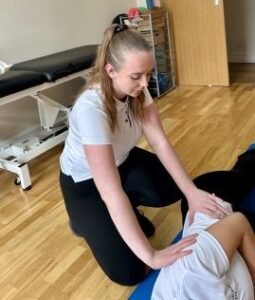
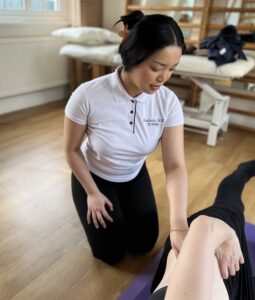
At Scoliosis SOS we use a range of different therapies to create a specialised and personalised treatment programme for our patients. Here is how we do it;
1. Individualised Assessment and Planning
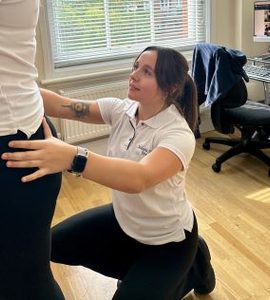
At Scoliosis SOS our therapists begin with a thorough assessment of the patient analysing:
- Posture – we use a formetric scanner to asses where the patients have issues with their posture, this allows us to create a clear treatment plan
- Muscle strength and flexibility
- Functional movement patterns
- Pain
2. Spinal Curve Management through Exercise
Specific scoliosis exercises are designed to:
- Strengthen weak muscles (especially those opposing the curve)
- Stretch tight or shortened muscles
- Improve postural alignment and awareness – We teach you how to hold a brand new “corrected” posture and then strengthen the body through this position.
- Train the brain and body to adopt healthier movement patterns
Over time, these exercises can help stabilise or even reduce the curvature and improve physical appearance and function.

3. Breathing and Postural Control
In therapies like Schroth, breathing techniques are used to expand the collapsed areas of the rib cage this is called rotational breathing. Our ScolioGold therapists train patients on how to control and maintain posture not just during therapy sessions, but in daily life activities like sitting, standing, and walking.

Conclusion
When it comes to moderate scoliosis, early and proactive treatment can make a significant difference and that’s where bracing and scoliosis-specific exercises come in. Bracing helps guide the spine’s growth in children and adolescents, preventing further curvature and often reducing the need for surgery. At the same time, targeted exercises strengthen postural muscles, correct imbalances, and improve spinal alignment and body awareness.
Together, these non-invasive approaches empower individuals to take control of their condition. They not only support physical function and reduce discomfort but also help maintain confidence, mobility, and quality of life especially during key growth years. With the right guidance from healthcare professionals, including physiotherapists and orthotists, bracing and exercise become powerful tools in managing moderate scoliosis effectively.
Scoliosis SOS provides therapy for all curve types and works closely with orthotists to signpost you in the right direction if that is the path you wish to take on your scoliosis treatment journey. Find out more at an initial consultation to help determine what is best for you.
📞 02074884428
🌐 www.scoliosissos.com
📷 @scoliosissosclinic
📧 enquiries@scoliosissos.com📍 63 Mansell Street, London, E1 8AN (headquarters)