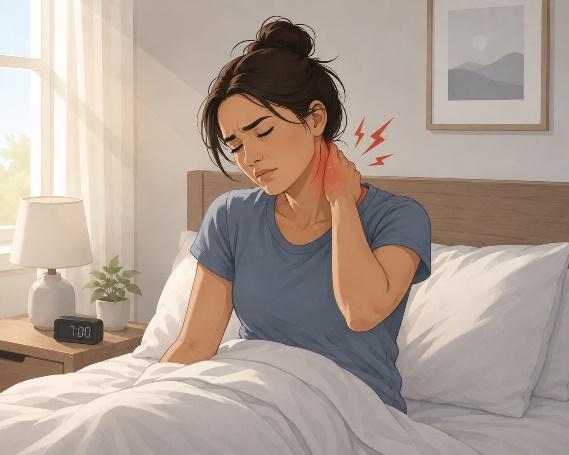
If you’ve ever experienced stiffness or pain on one side of your neck, you might assume it’s simply a “crooked neck” caused by sleeping in an awkward position. While this is a common cause, chronic one-sided neck stiffness can sometimes be a sign of cervicothoracic scoliosis, also referred to as high thoracic scoliosis.
This type of scoliosis develops in the area between the neck and upper back. Because it can change the way the head sits over the shoulders, it often places extra strain on the neck muscles. Even mild spinal curves can contribute to muscle imbalance and long-lasting neck stiffness.
Symptoms of Cervicothoracic Scoliosis
Common symptoms include persistent neck pain or stiffness, one shoulder appearing higher or more prominent than the other, ongoing shoulder pain without an obvious cause, and tension headaches that are often worse in the morning. These symptoms develop because the muscles surrounding the spine adapt to its curvature. As a result, some muscles, typically on the outer side of the curve, become overworked while others, like in the concavity of a curve, weaken, creating an imbalance that places additional strain on the neck and shoulders.
FAQs
How can I check my back and neck at home?
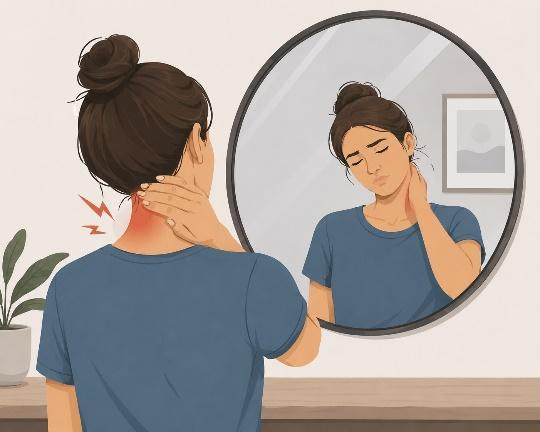
You can examine your upper back and neck in a mirror or ask someone to take a photo for you to look for any changes in your spinal alignment. Even subtle structural changes can affect the position of your shoulders and factor into to neck discomfort, so it’s worth checking for any noticeable differences.
What should I do if I spot any structural changes?
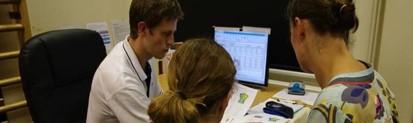
If you’re concerned about your symptoms, you can book a consultation with one of our therapists at Scoliosis SOS. During your appointment, we will discuss your symptoms, assess your condition, and perform a Formetric Scan to determine whether there are any signs of structural or functional scoliosis.
What treatments can help?
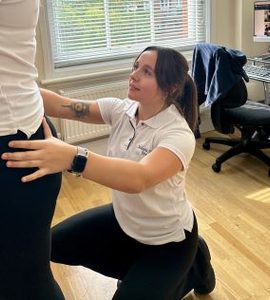
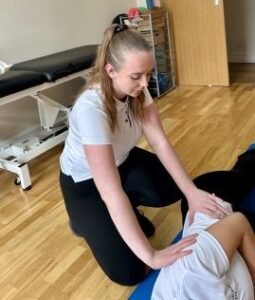
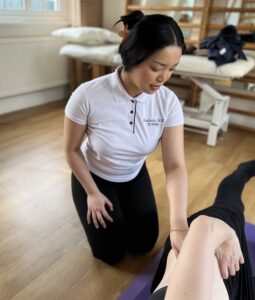
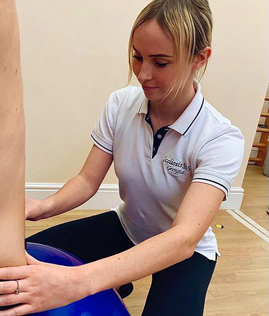
At Scoliosis SOS we provide non-surgical treatment options for anyone with scoliosis. Our trained team of therapists specialise in providing scoliosis specific exercises from the world-renown ScolioGold method, adapted to each individual to make your treatment unique. We focus on correcting posture and strengthening the muscles in the back. Other manual therapy treatments include massage, cupping and dry needling.
Next Steps
If you’ve noticed any changes to your body or any asymmetrical symptoms, it might be worth getting it checked out. Early diagnosis is pertinent to getting ahead of the curve, and even if it not scoliosis, we at Scoliosis SOS can still support you with your treatment goals for pain relief, mobility, strengthening, and more. Contact us to find out more about how we can help you.
📞 02074884428
🌐 www.scoliosissos.com
📷 @scoliosissosclinic
📧 enquiries@scoliosissos.com
📍 63 Mansell Street, London, E1 8AN (headquarters)