4.9 Out of 5 based on 875 reviews


It is very common to notice that your balance feels uneven when exercising, or you may find that you are more stable on one side of your body than the other. You might also notice yourself shifting your weight, leaning to one side or relying on one side more during exercise, hand or foot dominance aside. But why does this happen?
Uneven balance in the gym can have several causes, including differences in laterality, muscle strength, flexibility, mobility, coordination, or previous injuries. In some cases, an underlying spinal condition such as scoliosis may also contribute to differences in balance and movement.
How Can Scoliosis Affect Balance?
Scoliosis is a three-dimensional condition that causes the spine to curve laterally and rotate. These changes can affect the position of the shoulders, ribcage and pelvis, which in turn can affect how weight is distributed through the body. This can alter one’s centre of gravity as body weight is shifted away from its neutral vertical alignment, which in turn influences balance.
As a result, the muscles on either side of the body may work differently. One side may become stronger or more active, while another may have reduced strength or control. This can make certain exercises feel less balanced or cause you to compensate without realising it.
In a gym environment, uneven balance may be particularly noticeable during exercises such as squats, lunges, step-ups and single-leg exercises, where symmetrical weight distribution and body control are heavily depended upon.
How Can Uneven Balance Be Improved?
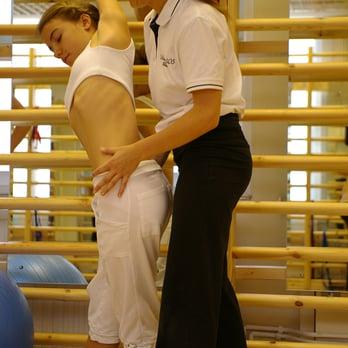
To improve uneven balance, the root cause must first be identified. Gait, postural, and functional assessments can be conducted to determine this. If scoliosis is involved, exercises should take your individual spinal alignment and movement patterns into consideration rather than simply treating both sides identically.
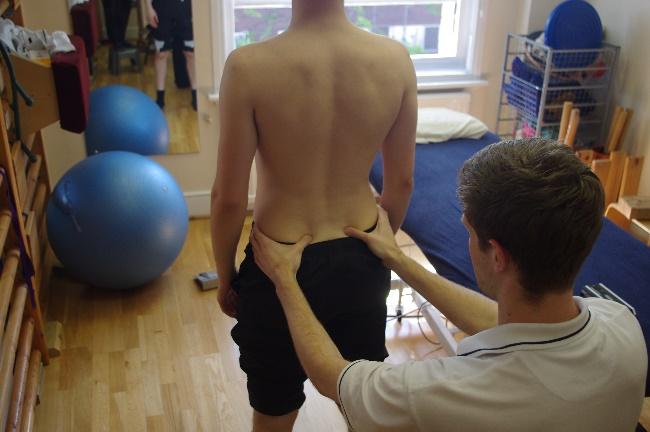
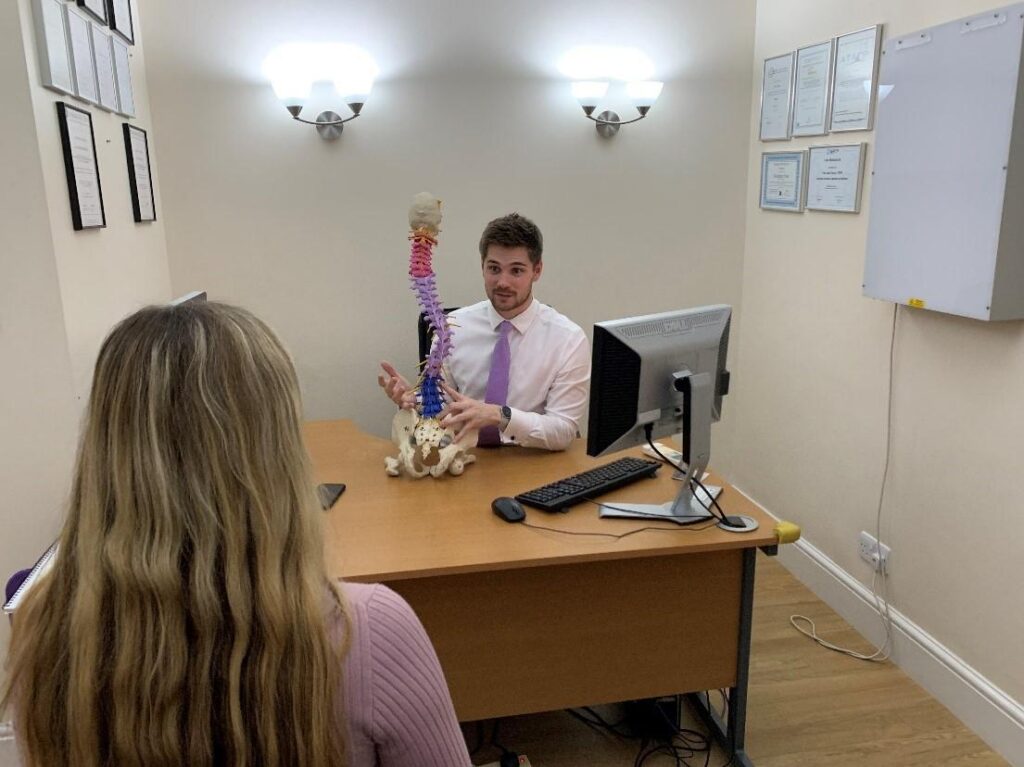
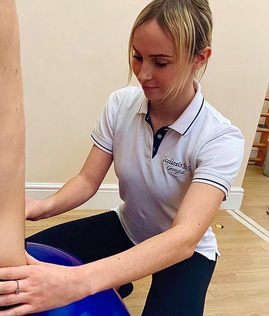
At Scoliosis SOS, physiotherapists can assess your posture, movement, and muscular imbalances before developing an individualised scoliosis-specific exercise programme. Treatment aims to improve body awareness, postural control, strength, and movement patterns, helping you exercise with greater control and confidence. Where appropriate, hands-on therapies such as dry needling, massage, or mobilisations may also be used to assist with releasing muscular asymmetries caused by pain or tightness.
FAQ’s
Why do I keep falling to one side when doing single-leg exercises?
This can be caused by differences in leg strength, hip mobility, balance, coordination or proprioception (your awareness of where your body is in space). Spinal alignment, including scoliosis, may also influence how you distribute your weight.
Should I train my weaker side more at the gym?
Not necessarily. Simply doing more repetitions on one side may not address the underlying cause of the imbalance. It is better to understand why one side is weaker, and to choose exercises that improve strength and control appropriately.
Can scoliosis affect my squat or deadlift technique?
Yes. Changes in spinal, pelvic, and ribcage alignment can influence how you position and load your body during compound exercises. This may cause you to shift your weight or rely more heavily on one side.
Should I stop exercising if I have scoliosis and poor balance?
Not usually. Exercise can be incredibly beneficial for people with scoliosis, but exercises may need to be adapted to your individual needs. If you experience significant pain, repeated loss of balance or other concerning symptoms, seek professional advice.
Can scoliosis-specific exercises improve my gym performance?
Scoliosis-specific exercises can help develop body awareness, postural control, strength and movement coordination. These improvements may help you perform gym exercises with greater control, although the appropriate exercises will vary depending on your individual scoliosis.
Next Steps
If you think scoliosis might be behind your exercise imbalances, then confirming this via assessment might be the next appropriate step. Gaining an understanding of the reasons one side might feel more stable than the other is the crucial first stage in the rehabilitation journey. An initial consultation at Scoliosis SOS can provide an in-depth postural assessment from specialist physiotherapists to determine what may be the root cause, and what might be the best next steps for you. All treatment is tailored to individual aims, curve types, and symptoms, so you can be sure you will be walking the right path to your ultimate goal. Contact us to find out more about how we can help you.
📞 02074884428
🌐 www.scoliosissos.com
📷 @scoliosissosclinic
📧 enquiries@scoliosissos.com
📍 63 Mansell Street, London, E1 8AN (headquarters)