4.9 Out of 5 based on 875 reviews

We often encounter patients wondering about the causes of their scoliosis and whether it can be inherited. Scoliosis, a condition that involves lateral flexion and rotation of the ribcage, can arise from various underlying causes. Although the exact cause is still unclear, research indicates that genetics plays a significant role. A family history of scoliosis may increase your risk of developing the condition. Although scoliosis is not always hereditary, recognizing the genetic connection is important for early detection and prompt intervention. In this article, we’ll dive deeper into how genetics can contribute to scoliosis and what steps you can take to manage it effectively.

Can you differentiate between scoliosis caused by genetics and scoliosis caused by other factors?
The answer is no, you cannot. It’s not possible to exactly pinpoint the cause of scoliosis, however it might help to know the difference between a genetic cause of scoliosis and hereditary cause. Genetic causes refer to a condition that arises from specific genes or mutations that affect the development of the body. It is linked to abnormalities in the DNA that influence bone development and growth patterns of the spine that could lead to scoliosis. For this you do not need to have a history of scoliosis in your family, and it can be caused by external factors. Hereditary causes refer to traits or conditions passed down from parents to offspring through genes. If scoliosis runs in the family, the cause may be hereditary. However, just because a condition is hereditary doesn’t always mean it has a clear, single cause.

Is the severity of scoliosis affected by genetics?
Yes, genetic factors can influence the severity and progression of scoliosis, particularly in idiopathic cases. Research has identified genes involved in connective tissue development, bone growth, and spinal cord signalling that may influence curve severity. However, the severity can also be influenced by how rapidly a curve worsens during growth spurts and/or hormonal or biomechanical factors during adolescence. The presence of severe scoliosis in a family does not guarantee that offspring will inherit a similarly severe form of the condition, nor does the absence of severe cases rule out the possibility of significant curve progression in future generations. Conversely, individuals with no known family history may still develop progressive scoliosis due to a complex interplay of genetic and environmental factors.

Treatment Recommendations
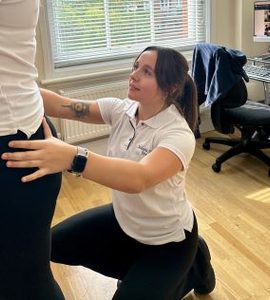
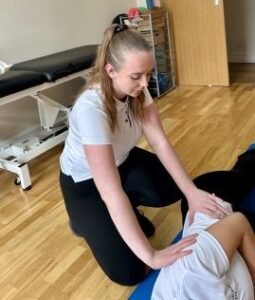
Treatment for scoliosis depends on the severity of the spinal curve, the patient’s age, and the risk of progression. Mild cases are usually regularly monitored with X-rays. For moderate curves, especially in growing adolescents, bracing is recommended to prevent further progression. Severe cases that continue to worsen may require surgical intervention, such as spinal fusion. Here at Scoliosis SOS, we encourage patients with mild to severe scoliosis to explore our treatment, as it offers a non-surgical, exercise-based approach designed to reduce pain, improve posture, and enhance overall spinal function. Our individualised programmes focus on strengthening the muscles that support the spine, improving flexibility, and promoting better alignment to help manage scoliosis symptoms effectively and prevent further progression.

Conclusion
Scoliosis is a complex condition influenced by a combination of genetic, hormonal, and biomechanical factors. Severity cannot be accurately predicted solely based on family history. Treatment approaches vary depending on the curve’s severity and the individual’s growth stage, ranging from regular monitoring to bracing and, in some cases, surgery. At Scoliosis SOS, we offer a non-surgical, exercise-based treatment programme tailored to each patient’s needs, aiming to improve posture, reduce discomfort, and enhance quality of life especially for those seeking proactive, long-term management of their condition. Get in touch to discover more about your condition and treatment options.