4.9 Out of 5 based on 875 reviews

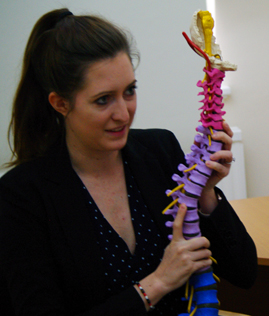
Scoliosis, a medical condition characterized by the abnormal lateral curvature of the spine, has been known since ancient times, with the earliest recorded descriptions by Hippocrates. Over the centuries, approaches to managing scoliosis have evolved significantly, especially with the advent of physical therapy techniques aimed at mitigating its effects and improving quality of life.

A Brief History of Scoliosis Management
The history of scoliosis treatment has seen a transformation from rudimentary methods to more sophisticated, evidence-based approaches. Initially, treatments were largely experimental, often involving rudimentary bracing and traction methods. The 19th century saw the introduction of more structured approaches, but it wasn’t until the 20th century that significant advancements were made, particularly in the realm of physical therapy.

The Role of Bracing
Bracing has been a cornerstone in the conservative management of scoliosis, primarily aimed at preventing the progression of spinal curvature in young patients. The most commonly used brace, the Boston brace, was developed in the 1970s and remains widely used today. These braces are typically custom-made to fit the patient, providing support to hold the spine in a more correct alignment. They are often used in conjunction with physical therapy to enhance treatment outcomes.
Physical Therapy Techniques for Scoliosis
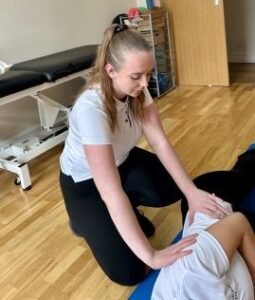
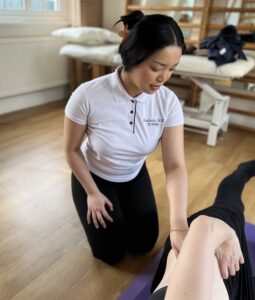
Physical therapy plays a crucial role in managing scoliosis, focusing on exercises that aim to improve posture, muscle strength, and spinal alignment, reducing the need for surgical intervention. Among the most renowned physical therapy methods are the Schroth, FITS, SEAS, and ScolioGold techniques.

Schroth Method
Originating in Germany in the early 20th century, the Schroth method is one of the oldest and most established forms of scoliosis physical therapy. It involves a series of exercises and breathing techniques designed to de-rotate, elongate, and stabilise the spine in a three-dimensional plane. The exercises are tailored to the specific curve patterns of the patient and focus on correcting posture through sensorimotor and kinaesthetic principles.

Functional Individual Therapy of Scoliosis (FITS)
Developed in Poland, FITS is a relatively new approach that combines elements of various therapeutic techniques tailored to individual needs. The FITS method emphasizes active participation from the patient, focusing on exercises that aim to enhance muscle balance and symmetry, improving overall functional movement patterns.
Scientific Exercise Approach to Scoliosis (SEAS)
The SEAS method, developed in Italy, is based on a task-oriented approach and relies on self-correction through active exercises. SEAS encourages patients to become independent in managing their condition by learning how to maintain corrections during everyday activities. This method has gained credibility through numerous clinical studies demonstrating its effectiveness in reducing scoliosis progression.
ScolioGold Method
The ScolioGold method is a comprehensive programme that integrates various techniques, including elements of the Schroth, FITS, and SEAS methods, to provide a holistic approach to scoliosis treatment. It involves a combination of exercises, manual therapy, and breathing techniques, tailored to the individual’s specific type of scoliosis. Practitioners of ScolioGold aim to offer a more personalised treatment plan, integrating elements from different methodologies to maximise outcomes.

Combining Bracing and Physical Therapy
Combining bracing with physical therapy has proven to be an effective strategy in managing scoliosis. While bracing serves to halt or slow the progression of spinal curvature, physical therapy works to improve spinal alignment, muscle strength, and posture. This combination not only addresses the structural aspects of scoliosis but also improves the patient’s overall function and quality of life.
The synergy between bracing and physical therapy ensures a comprehensive approach to treatment. Patients are often more compliant with their bracing when they see tangible results from their physical therapy sessions, and exercises can aid in correcting postural imbalances that braces alone cannot address. Additionally, physical therapy can be crucial in the transition period when a brace is removed, helping to maintain spinal stability and function.
Conclusion
The landscape of scoliosis treatment has evolved dramatically, with physical therapy playing a pivotal role in non-surgical management. Techniques such as the Schroth, FITS, SEAS, and ScolioGold methods have provided patients with effective means to manage their condition, often in conjunction with bracing. As research continues and techniques evolve, patients can expect even more tailored and effective treatment plans, empowering them to manage scoliosis actively and improving their quality of life.
Are you interested in learning more about how ScolioGold physical therapy could help your scoliosis or spinal condition? Chat to our patient care team, or drop a message on our Contact Form.