4.9 Out of 5 based on 875 reviews

Initial Consultation – What to Expect?
For any new patients, an initial consultation is the first step in understanding a spinal curve, and how it may affect your body. Knowing What to Expect at Your Initial Consultation at Scoliosis SOS and having an idea of what to ask, can help you to better understand your diagnosis, treatment options, and next steps. This blog is designed to help you feel informed and prepared when attending your initial scoliosis consultation and follow up treatment. Alternatively, if you are not able to attend in person, we also offer Online Consultations.
Useful questions to ask
What should I bring to my first appointment?
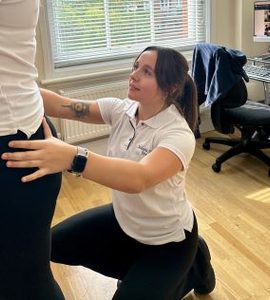
If you have any previous scans, reports or referral letters from other healthcare professionals, please feel free to bring these along with you. X-rays, MRI reports and other medical history documents can help our specialists to assess curve progression and avoid any unnecessary repeat imaging. Comfortable clothing is also helpful, as posture assessments are usually part of the appointment.

How is scoliosis diagnosed and assessed?
At the clinic, we are able to diagnose scoliosis through a combination of a thorough subjective history of your medical background, as well as physical examination and imaging. Your consultant will ask questions about lifestyle, history of your condition, as well as discussing any areas of pain you might experience in your body. At our clinic, we have a radiation free scanner known as a 4D Formetric Scanner , which is used to help provide a detailed summary of the posture and spinal alignment.
What type of scoliosis do I have?
There are many different types of scoliosis, and each person will present slightly differently depending on a variety of factors. The majority of the cases that we come across in the clinic are known as Adolescent or Juvenile Idiopathic Scoliosis, usually more present in children and teenagers. We also see a lot of adult patients with Degenerative (De Novo) Scoliosis. Understanding the type helps to explain why the curve may have developed, and how it may behave overtime.
How severe is my curve, and is it likely to progress?
Curve Severity and progression risk varies between patients. Your consultant will discuss your presentation, growth status (if applicable) and other factors that influence whether a curve is likely to worsen. This is especially important for children and teenagers who are still growing.
What symptoms should I monitor?
Scoliosis Symptoms can include pain, stiffness, or changes in posture. Even if you are currently symptom-free, it is useful to understand what signs to look out for, such as increasing asymmetry in the posture, or discomfort during daily activities.
What treatment options are appropriate for me?
Understanding the Right Treatment for you depends on age, curve size, symptoms and goals. Options may include intensive daily courses to target specific strengthening, while other options focus on a strength and conditioning approach. We can also provide information with regards to any additional treatment that might be beneficial alongside the treatment, such as Bracing.
Are there activities I should avoid or modify?
While exercise is a fantastic tool for any patients with (or without!) scoliosis, it’s important to be aware of any movements that may negatively impact the spine. Exercises to Avoid with scoliosis include uncontrolled, imbalanced movements that may place extra pressure on already unbalanced muscles – this might include things such as trampolining. Here at Scoliosis SOS, we use Physiotherapy Specific Scoliosis Exercises (or PSSE) to help create more balance in the muscles, and ease any unnecessary pressure on the spine itself.
So, what happens during treatment?

Treatment is personalised and based on what is most suitable for you.
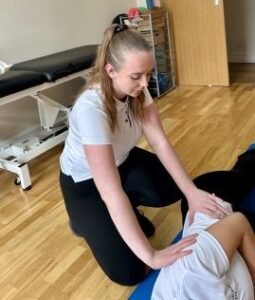
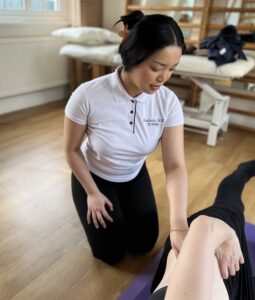
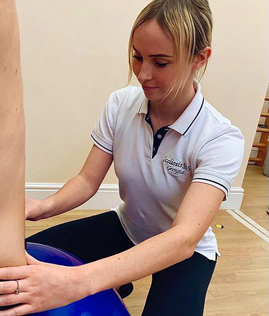
With a variety of Treatment Courses available, your consultant will recommend the best fit and frequency. Treatment focuses on learning scoliosis-specific exercises to help achieve a more balanced posture, alongside practical advice for daily movement and lifestyle. By the end of the course, you will be provided with a personalised Home Exercise Programme to ensure you feel confident continuing independently.
Moving Forward…
An initial scoliosis consultation helps build an understanding of your spinal curve, posture, and the most appropriate management options moving forward. Treatment is suitable for children, adolescents, and adults, with a focus on consistency over time to support better postural balance and reduce unnecessary strain on the spine. To begin a structured and ongoing approach tailored to your needs, you can book an initial consultation with the specialist team at Scoliosis SOS in Aldgate, London!
📞 02074884428
🌐 www.scoliosissos.com
📷 @scoliosissosclinic
📧 enquiries@scoliosissos.com
📍 63 Mansell Street, London, E1 8AN (headquarters)