4.9 Out of 5 based on 875 reviews

Children’s Mental Health Week, taking place between 9-15th February 2026, is an event launched by children’s mental health charity, Place2Be, to raise awareness for the cause. The charity aims to empower and give a voice to children and young people in the UK, with resources and support for their wellbeing. This year, it has a primary focus of developing a sense of belonging and connection in schools, homes, and communities, to support youth mental health, through the theme “This is My Place”.
In light of this incredibly important awareness week, Scoliosis SOS has explored the ways in which living with scoliosis might impact children’s mental health, and addressed some support strategies to give you the tools and confidence to support your child.

How Can Scoliosis Influence Children’s Mental Health?
The most common type of scoliosis is Adolescence Idiopathic Scoliosis (AIS), which essentially is when it develops between the ages of 10-18, with an unknown cause. It accounts for around 80% of scoliosis cases, which makes it vital to address the impacts it may have on children and teens. When searching for support, you may find an abundance of approaches to the physical aspects of the condition, but it is crucial to consider the psychological factors too.

- Poor body image may arise from the physical changes of the body that stem from scoliosis. When noticing asymmetries and curves, or even when wearing a brace, your child may start to feel ‘different’ to others, which may lead to self-consciousness or low self-esteem.
- Fear of judgement from peers can lead to social difficulties, like isolation.
- In turn, these thoughts may lead to feelings of anxiety or depression. Feeling a lack of control may also trigger those, or discussions surrounding treatment such as surgery can emphasise anxious thoughts.
- Feelings of stress may be elevated, due to managing regular medical appointments, intensive treatments such as wearing a brace for many hours of the day, or the uncertainty about the progression of the condition.
These are all normal experiences, so it is important to reduce any surrounding stigma. Watch out for the signs, such as bullying, significant mood changes, or withdrawal. It is important to address these when they arise, to preserve mental wellbeing and promote healthy and positive coping mechanisms.
How Can this be Tackled?
There are a variety of ways to look out for your child’s mental wellbeing.
- First and foremost, you must remain empathetic and compassionate, providing a safe space for them to speak up, encouraging open communication, by validating their feelings.
- Early intervention is pertinent to supporting your child’s mental health; model positive coping mechanisms to encourage them to pick up a healthier, more positive mindset. In other cases, early referral to mental health professionals could be beneficial.
- Advocate for their mental health to be considered within their treatment, whether it be a surgical, holistic, or physiotherapeutic route you choose to take. Not only does this alert the practitioner that this is a concern, so it can be managed, but it helps to demonstrate to your child that you are understanding.
- It is also extremely valuable to focus on your child’s strengths, to boost confidence; acknowledge their progress and resilience, and encourage them to be proud of themselves.
- Considering further support may be useful, for example support groups, peers, or mentors.
How to Get Involved in Children’s Mental Health Week
Make a difference by getting involved in Children’s Mental Health Week. Contribute to or start a fundraiser to support Place2Be’s mission to ensure no child faces mental health problems alone. Schools and workplaces can download activity packs and materials to start a fundraiser. You can also donate directly to the website. Another way you can get involved is by striving to foster connectedness and community, which adheres to this year’s theme, but most importantly encourages a sense of belonging for children.
How Can Scoliosis SOS Help?
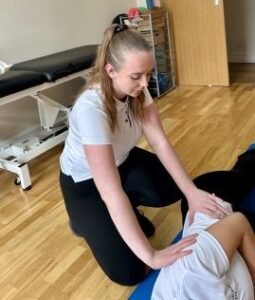
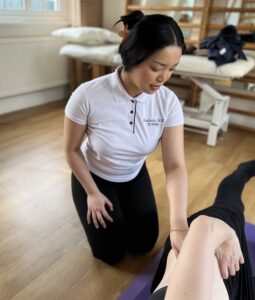
Whilst Scoliosis SOS, is primarily a clinic for non-surgical treatment of scoliosis using physiotherapeutic methods, all aspects of care are taken into consideration and integrated into your child’s care plan. Below are just some of the ways that mental health can be supported at our clinic:
- Throughout treatment, patients of all ages are educated on their individual curve type, how to manage it, and other lifestyle factors such as ergonomics and aftercare. Education is critical to mental health as it can lower feelings of uncertainty and thus anxieties.

- By working hard to achieve and maintain posture correction, your child’s confidence will increase. They will feel stronger and more in control, as well as the fact that their body image can improve!
- Our non-surgical physiotherapeutic approach to scoliosis treatment can be much less daunting to a child than the idea of surgery. Our courses can reduce the risk of curve progression which can lessen the need for surgery. Opposingly, if surgery is on the cards, our courses can prepare your child before and support your child after the procedure, by strengthening the surrounding areas to improve recovery.
- A sense of community and belonging is created, particularly in our group therapy courses, which reassures patients that they are not alone. This can combat feelings of self-consciousness, by normalising everyone’s differences, and by witnessing that rehabilitation does not mean letting scoliosis define the person.
With a welcoming environment and an expert team of professional and friendly physical therapists, you can be sure that at Scoliosis SOS, you will be well looked after. The results we have seen in both children and teens speak for themselves, but hear from our patients to learn how we were able to help them! If you are seeking treatment for your child’s scoliosis, find out how it can be tailored to them with an initial consultation.

📞 02074884428
🌐 www.scoliosissos.com
📷 @scoliosissosclinic
📧 enquiries@scoliosissos.com📍 63 Mansell Street, London, E1 8AN (headquarters)
9 years old

15 years old