4.9 Out of 5 based on 875 reviews

When learning how to manage scoliosis and its related pain, massage is one of the most common topics of conversation. We regularly hear questions or comments such as, “Is it safe to massage someone with scoliosis?” or “I get a lot of tightness and pain in my back, but I’m not sure how to relieve it.” The uncertainty around what is safe and appropriate when living with scoliosis can sometimes leave people unsure of how to manage their symptoms. In this article, we’ll explore what is massage, how it helps with scoliosis, and what to consider before having treatment.
When it comes to managing muscular tightness and discomfort associated with scoliosis, sports massage and deep tissue massage are two approaches that may be considered. Both can involve a range of massage techniques, but the pressure and focus of treatment can be adapted to suit the individual.
Different Types of Massage
There are many different types of massage, each designed to address specific needs and provide different benefits. However, the two most common forms of massage offered at the clinic are sports massage and deep tissue massage. Although both techniques involve applying pressure to the muscles and soft tissues, they differ in their purpose, techniques, and the types of clients they are most suitable for.
Sports massage is primarily designed for people who participate in regular physical activity, including athletes and individuals who exercise frequently. It focuses on muscles that are heavily used during physical activity and aims to reduce muscle tension, improve flexibility and mobility, support recovery, and help prevent injuries.
Deep tissue massage, on the other hand, focuses on relieving tension and tightness in the deeper layers of muscle and connective tissue. It generally involves slower, more concentrated strokes and sustained pressure on areas where there is persistent tension or discomfort. This type of massage can be beneficial for people experiencing chronic muscle tightness, stiffness, or restricted movement, even if they are not regularly involved in sport or exercise.
Massage Techniques
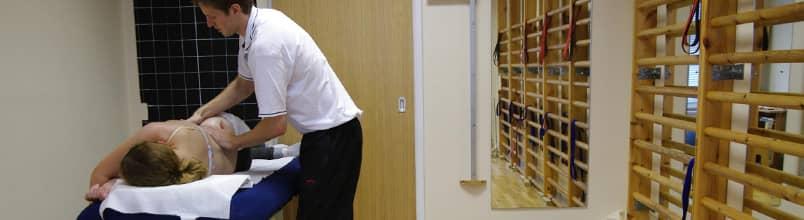
Both sports and deep tissue massage can incorporate a variety of different massage techniques, depending on the individual’s needs and treatment goals. Two commonly used techniques are effleurage and petrissage.
Effleurage involves long, smooth, gliding strokes performed over the skin. It is often used at the beginning and end of a massage to warm the tissues, spread massage oil, and help the client relax. The pressure can be adjusted depending on the purpose of the treatment, ranging from very light to firmer strokes.
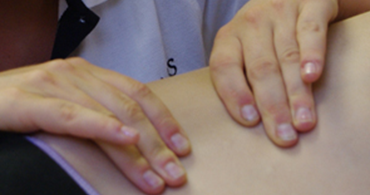
Petrissage involves kneading, squeezing, rolling or lifting the soft tissues. It is typically used to work more directly into the muscles and areas of tension. The pressure and intensity can be adapted to the individual and may help to reduce feelings of muscle tightness while promoting relaxation and mobility.
Benefits of Massage
Numerous pieces of research have found that massage helps with improvements in pain levels, sleep patterns, and functional limitations. Other benefits of a massage include, but aren’t limited to:
- Reducing muscle tension and feelings of tightness
- Relieving muscle soreness and discomfort
- Improving flexibility and mobility
- Supporting recovery following exercise or physical activity
- Promoting relaxation and reducing feelings of stress
- Improving awareness of areas of tension within the body
How Might Massage Look Different for Scoliosis?
Scoliosis presents with different symptoms for everybody, but generally, the mechanics tend be similar. On the outside of a spinal curvature, the muscles that join to the vertebrae become overstretched, and therefore are overactive. In some people this muscular imbalance causes pain and discomfort. Contrastingly, on the inside of the curve, the muscles are shortened, weaker, and possibly even more compressed. This muscular tightness is sometimes uncomfortable. When opting for a massage with scoliosis, there may be differences in where you feel the need to experience muscle tension release. So, where a massage without scoliosis might target a general area, having scoliosis might mean you benefit from more targeted attention to either of the above areas, depending on individual discomfort. But remember, there is variability amongst individuals, and this should not be assumed as the case for all.
FAQ’s
Can massage straighten my spine or correct my scoliosis?
No. Massage should not be considered a treatment that physically corrects the spinal curve. Its main purpose is to help manage symptoms such as muscle tightness, discomfort and tension. Scoliosis-specific exercises have a different role, focusing on active self-correction, posture, breathing and functional movement.
Can massage replace scoliosis-specific exercises?
No. Massage and scoliosis-specific exercises have different purposes. Massage is primarily passive and may help with symptoms such as muscle tension, whereas scoliosis-specific exercises involve active movement and are individually tailored to help develop postural control, self-correction and functional movement.
How would massage help with my scoliosis?
Some people may experience pain and discomfort with the muscular imbalances caused by scoliosis. In this case, using manual therapy techniques such as massage or dry needling can relieve that pain to make it more comfortable to practice scoliosis-specific exercises, or even to get into a corrected posture. Massage is used as an additional tool to other interventions, not as a corrective tool itself.
Do I need to tell my massage therapist that I have scoliosis?
It’s your choice, but it can be helpful to let your massage therapist know that you have scoliosis. This gives them useful information to tailor the massage and avoid techniques or positions that may be uncomfortable for you.
How often should someone with scoliosis have a massage?
There is no single schedule that is appropriate for everyone with scoliosis. Frequency should depend on your symptoms, activity levels, treatment goals, and response to massage. Your practitioner can help determine whether occasional or regular treatment is appropriate.
Can I exercise or carry on with my normal activities after a massage?
You do not need to completely rest after a massage. Gentle movement, walking, and normal daily activities are generally fine, but it is best to avoid strenuous exercise immediately afterwards, particularly following a deep massage. Listen to your body and allow yourself time to recover if you feel tired, tender or sore.
Final Thoughts
If you are experiencing muscular discomfort in relation to your scoliosis, then contact one of our team today. We can help you understand what might be triggering the pain, and advise how to tackle it.
📞 02074884428
🌐 www.scoliosissos.com
📷 @scoliosissosclinic
📧 enquiries@scoliosissos.com
📍 63 Mansell Street, London, E1 8AN (headquarters)