4.9 Out of 5 based on 875 reviews

What is Neuromuscular Scoliosis?
Neuromuscular scoliosis is a type of spinal curvature that develops as a result of a neurological or muscular condition affecting the body’s ability to support and control the spine. It is usually associated with conditions such as Cerebral Palsy (CP), Muscular Dystrophy (MD) and Spinal Muscular Atrophy (SMA). In this blog, we will discuss what neuromuscular scoliosis is, how it develops, the symptoms and signs to look out for, and the treatment options that may help manage the condition.
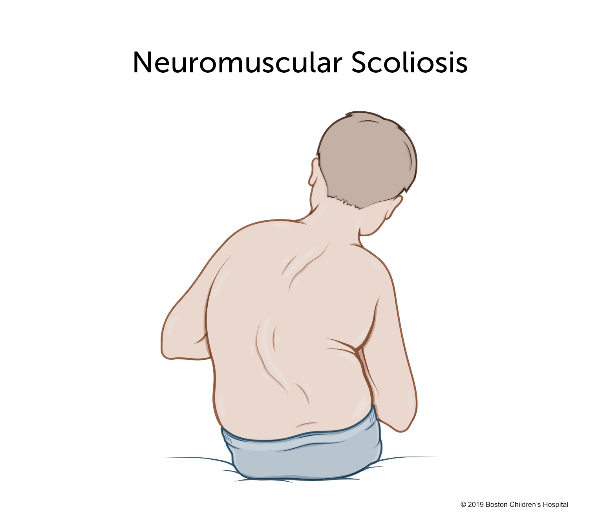
The curvature can develop at an early age and may progress more quickly than other forms of scoliosis. In a lot of cases, the curve can continue worsening with growth, especially when coupled with muscle weakness and poor trunk control.
What Causes Neuromuscular Scoliosis?
Neuromuscular scoliosis occurs when problems occur with the nerves or muscles, leading to an imbalance in the muscles supporting the spine. Unlike Idiopathic Scoliosis where the cause is typically unknown, neuromuscular scoliosis can develop as a secondary condition linking to an underlying neuromuscular disorder.
Neuromuscular scoliosis can be caused by conditions that affect communication between the brain, nerves and muscles. Common associated conditions include;
- Cerebral palsy (CP)
- Muscular dystrophy (MD)
- Spinal muscular atrophy (SMA)
- Spina bifida
- Rett syndrome
- Traumatic spinal cord injuries
These conditions may have an impact on muscle strength, coordination and control, making it difficult for the spine to remain aligned in its optimum position. Over time, this imbalance can cause the spine to curve to the side and rotate.
Symptoms and Signs
Symptoms and signs of neuromuscular scoliosis can vary depending on the severity of the curve and the existing underlying condition. Some common symptoms include;
- Uneven shoulders or hips
- Leaning to one side when sitting
- Difficulty maintaining upright posture
- Visible spinal curvature
- Rib prominence
- Reduced mobility or balance
For wheelchair users, scoliosis may make sitting comfortably more difficult and can affect overall positioning and stability.
Diagnosis
Diagnosis usually starts with a physical exam and a review of the patient’s medical history. Specialists will assess posture, spinal alignment and muscular control.
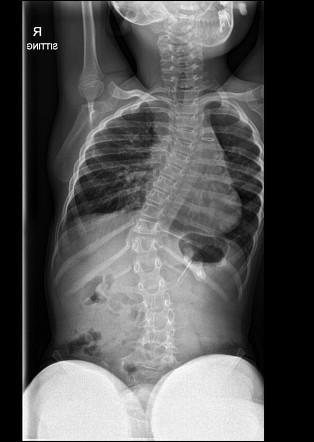
Imaging tests like x-rays are commonly used to confirm the diagnosis and measure the degree of spinal curvature, or Cobb Angle. In some cases, MRI scans may also be used to assess the spinal cord itself and the surrounding structures. Monitoring closely is particularly important in growing children, as curves associated with neuromuscular scoliosis can progress rapidly during growth spurts.
Treatment
Treatment for neuromuscular scoliosis depends on varying factors including the patient’s age, underlying condition, curve severity and overall mobility.
Physiotherapy and Exercises
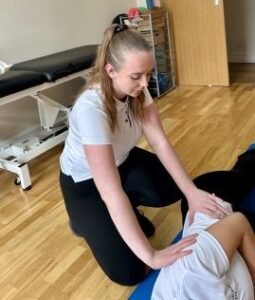
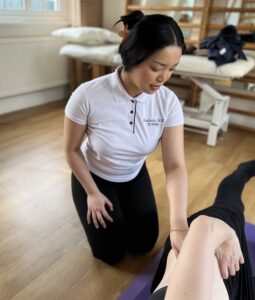
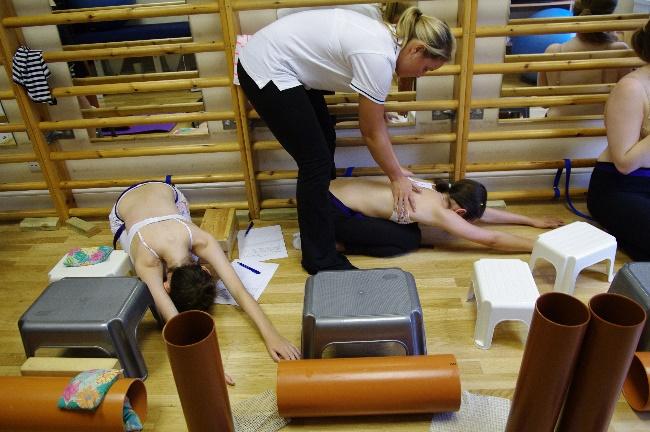
Specialist Physiotherapy Specific Scoliosis Exercises (PSSE) such as the ScolioGold method may help to improve posture, strength and balance. Exercise programmes are tailored to the individual’s abilities, needs and curve types.
Bracing
In some cases, bracing may be appropriate to provide additional support and help to manage curve progression. Braces are often used alongside physiotherapy and monitoring.
Surgery
For more severe or rapidly progressing curves, spinal surgery may be considered. The aim of surgery is to stabilise and straighten the spine, helping to improve posture, sitting balance and overall quality of life.
Treatment decisions are typically made by a multidisciplinary team involving scoliosis specialists, physiotherapists and orthopaedic consultants.
Living with Neuromuscular Scoliosis
Living with neuromuscular scoliosis can present physical and practical challenges, but with early management and regular monitoring, can improve comfort and function. Treatment plans are highly specific to each individual and may change overtime depending on growth, mobility, function and symptom progression. Support from healthcare professionals, family and carers can also help to play an important role in helping individuals maintain independence and quality of life.
FAQs
What is the difference between neuromuscular scoliosis and idiopathic scoliosis?
Neuromuscular scoliosis develops as a result of underlying neurological or muscular conditions, whereas idiopathic scoliosis has no known cause or trigger.
Can neuromuscular scoliosis worsen overtime?
Yes, neuromuscular scoliosis can progress as a child grows, particularly when muscle weakness or poor postural control is present.
How is it treated?
Treatment includes physiotherapy, scoliosis-specific exercises, bracing, monitoring and in some cases, surgery, depending on the severity of the curve.
Is neuromuscular scoliosis painful?
Some patients may experience discomfort, fatigue or back pain, while others may notice difficulties with posture, sitting balance or mobility.
Summary
Neuromuscular scoliosis is a spinal condition that is linked to neurological and muscular disorders, affecting balance, posture and mobility. Early intervention and assessment as well as ongoing management may help to support comfort, function and quality of life for those individuals living with this type of scoliosis.
To learn more about treatment approaches such as the ScoliGold Method, book Initial Consultation with the Scoliosis SOS Clinic.
📞 02074884428
🌐 www.scoliosissos.com
📷 @scoliosissosclinic
📧 enquiries@scoliosissos.com
📍 63 Mansell Street, London, E1 8AN (headquarters)