4.9 Out of 5 based on 875 reviews

Choosing the right professional for scoliosis care can be challenging, especially with so many different approaches available. At Scoliosis SOS, we focus specifically on exercises to target scoliosis and have worked with many patients navigating this journey. In this guide, we’ll outline key points on what to consider when choosing a scoliosis specialist, and answer questions that can help you feel confident in your choices, so you can make informed decisions about your care.
What is a ‘scoliosis specialist’?
A scoliosis specialist is a healthcare professional who focuses on evaluating and managing scoliosis, a condition that involves a sideways curvature of the spine. Unlike general practitioners or standard physiotherapists, scoliosis specialists have additional training, experience, or certification specifically in scoliosis care. Their goal is to provide targeted guidance that considers the unique needs of each individual.
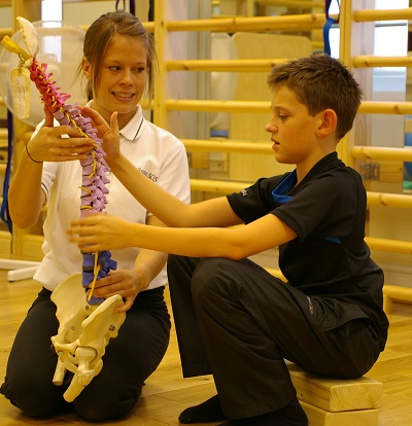
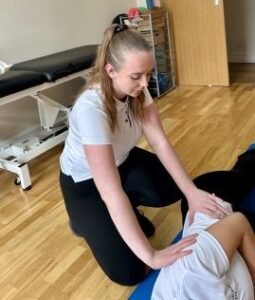
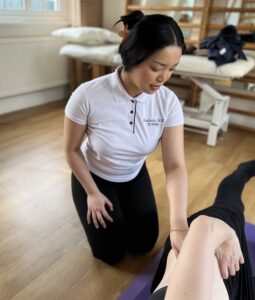
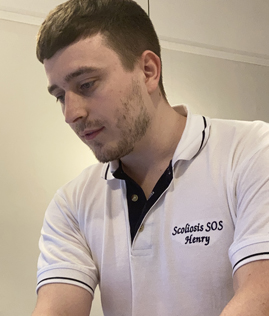
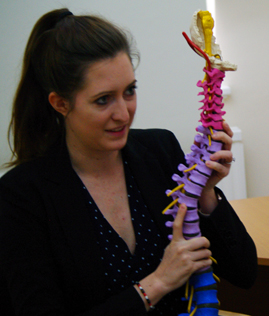
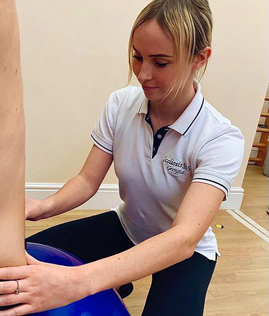
Our scoliosis specialists come from a range of professional backgrounds, including Physiotherapy, Sports Therapy, Sports Science and Sport Rehabilitation. What sets them apart is not necessarily the title, but their expertise in scoliosis-specific assessment and treatment strategies. Working with a specialist can help patients understand their condition, explore treatment options, and set realistic goals for managing scoliosis. Specialists often take a personalized approach, considering factors like age, severity of the curve, and lifestyle, which helps ensure that care is tailored to each person rather than following a one-size-fits-all plan. Even if you are already seeing a general healthcare provider, consulting a scoliosis specialist can provide additional insight, education, and strategies to support long-term spinal health. Knowing who these specialists are and what they offer can make it easier to choose the right expert for your needs.
Different types of practitioners: how do their approaches differ?
Orthopaedic spine surgeons are medical doctors who specialize in the musculoskeletal system. They diagnose scoliosis using imaging (like X-rays to measure the Cobb angle) and typically manage moderate to severe curves. Their approach is evidence-based and structured around observation, bracing, or surgery depending on progression risk. For curves over 40 degrees, they may recommend surgical options such as spinal fusion if the criteria are met.
Paediatric orthopaedic specialists focus specifically on children and adolescents, where growth plays a critical role. Their approach emphasizes early detection and curve monitoring during growth spurts. They are more likely to recommend bracing to prevent progression in growing patients. Orthotic treatment is best suited for individuals with mild to moderate scoliosis, especially growing children and adolescents seeking non-surgical curve management.
Orthotists specialise in designing, fitting, and adjusting custom orthotic devices, including scoliosis braces. For people with scoliosis, specialist orthotists assess spinal alignment and create braces tailored to the individual’s curve pattern, body shape, and treatment objectives. Their expertise helps ensure that braces fit properly, remain comfortable to wear, and deliver the intended support and corrective forces. As a patient grows or their spinal curvature changes, orthotists can make modifications to the brace to maintain its effectiveness and support ongoing treatment outcomes.
Neurosurgeons who specialize in spine conditions may also treat scoliosis, particularly when neurological factors are involved. Their approach is similar to orthopaedic spine surgeons but may focus more on the spinal cord and nerve-related concerns.
Physical therapists trained in scoliosis-specific methods, such as the Schroth Method or SEAS, take a conservative, exercise-based approach. They design customized exercise programs aimed at improving posture, muscular symmetry, breathing mechanics, and curve stabilization. These methods are often used alongside bracing. The ScolioGold method is a tailored approach that combines multiple methods of conservative scoliosis physical therapy methods to create a gold standard of care.
Chiropractors focus on spinal adjustments and posture correction. While some patients report symptom relief, their approach typically emphasizes spinal alignment and pain management rather than curve correction.
What should you look for in a specialist and how do you know if it’s the right fit for you?
The most important to consider when choosing a specialist is whether their treatment approach aligns with your goals. Some specialists focus on non-surgical approaches such as scoliosis-specific exercises, bracing, and posture correction, while others may specialize in surgical management. Understanding their approach can help you determine whether it matches your expectations and needs.
Beyond expertise, it’s important to feel comfortable and supported by your specialist. You should feel respected, involved in decision-making, and confident that the specialist is genuinely invested in your progress. If you leave an appointment feeling rushed, unheard, or uncertain about your treatment plan, it may be worth seeking a second opinion.
Ultimately, the right scoliosis specialist is someone who combines clinical expertise with personalized care, helping you feel supported every step of the way while working toward the best possible outcomes. It is also advisable to take a combined approach, as many practices complement each other well to better support treatment outcome goals.
Final Thoughts
Choosing the right scoliosis specialist is one of the most important decisions you can make for your long-term spinal health. At Scoliosis SOS clinic, we specialise in non-surgical scoliosis treatment designed to help patients manage their condition, improve posture, reduce pain, and enhance quality of life to reduce the need for invasive procedures whenever possible.
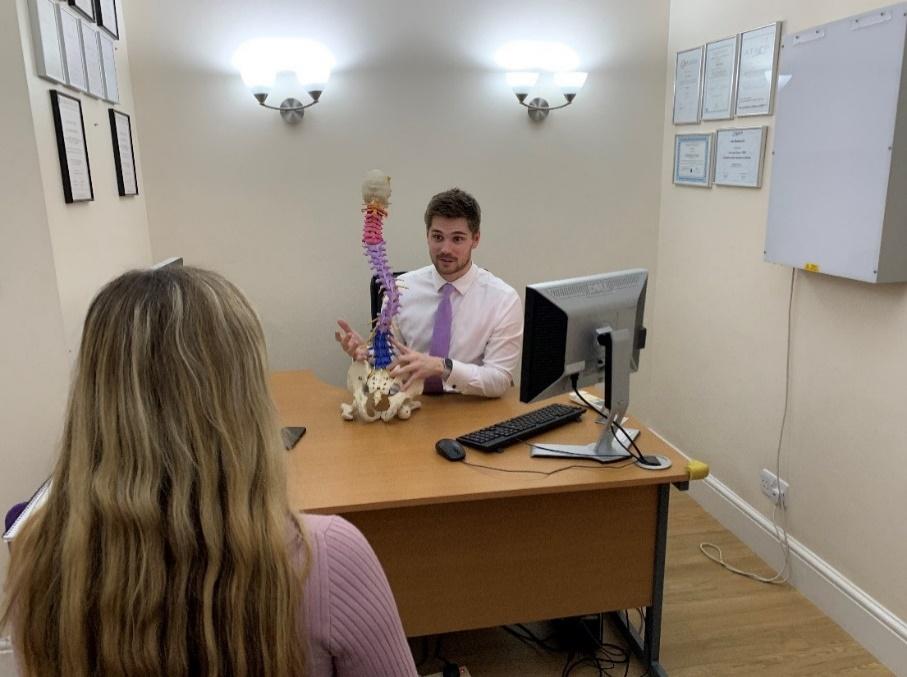
We are also able to provide pre- and post- surgical care for those who choose that route. Using proven, personalised treatment approaches, our team works closely with each patient to develop a care plan tailored to their unique needs. Whether you have recently been diagnosed or are looking for alternatives to surgery, we’re committed to providing expert guidance and support throughout your scoliosis journey. Reach out or book an initial consultation to find out how we can help you.
📞 02074884428
🌐 www.scoliosissos.com
📷 @scoliosissosclinic
📧 enquiries@scoliosissos.com
📍 63 Mansell Street, London, E1 8AN (headquarters)