4.9 Out of 5 based on 875 reviews

Mental Health Awareness Week occurs annually, with it falling between 11-17 May in 2026. Led by the UK Mental Health Foundation, this time is used to encourage open conversations, reduce stigma, provide resources for understanding mental health, and most importantly promoting wellbeing for all. This year’s theme for Mental Health Awareness Week is ‘Action’. In light of this, it is important to unpack how living with scoliosis might make an impact on your mental health and how to take action on this.
Understanding the Link Between Scoliosis and Mental Health
Scoliosis is a structural spinal deformity, characterised by a lateral curvature of the spinal column. This can cause chronic pain, mobility restrictions, or even take a toll on other systems in the body. However, these physiological effects of scoliosis can influence mental wellbeing, so it is vital to note that emotional responses to this are common, and valid. With ongoing medical appointments, monitoring, and treatment, it is easy to become overwhelmed and neglect mental health.
The Emotional and Psychological Challenges People May Experience
Scoliosis is chronic and progressive by nature, so the uncertainty of which stage of progression you are in can be daunting, causing feelings of anxiety. This ties in with a possible feeling of a loss of control, which can lead to low mood and frustration. In cases where the condition becomes visible, body Image concerns and self-consciousness may arise, which can lead to responses such as social withdrawal or fear of judgement from others. In milder and some moderate cases of scoliosis, some medical facilities adopt a ‘wait and see’ approach, which can put pressure on the individual from the expectation to “just cope”, even though their condition is acknowledged.
Why Mental Health Awareness Matters for People with Scoliosis
It is crucial to recognise mental health as part of whole-person care. Unfortunately, there may be some stigma surrounding both mental health, and physical differences, which can overlap. Practicing open conversations can reduce feelings of both isolation and shame that may present in some individuals, and can encourage compassion in others. It is the role of healthcare professionals, schools, families and friends to offer support and advocate for mental health awareness for those with scoliosis, and Mental Health Awareness Week is a great place to start!
Support, Coping Strategies, and Looking Forward
To circle back to this year’s theme of ‘Action’, it is important to address how to look after your mental health when living with scoliosis. Peer support, whether this is online or in person, is of considerably high value – encouraging a reduction of stigma and the development of a supportive environment. It can also inspire education, advocacy, and discussions of shared experience, which builds strength in community. To reiterate, seeking help is a sign of strength, not weakness. Services such as talking therapies and counselling may also be of use if you require further support.
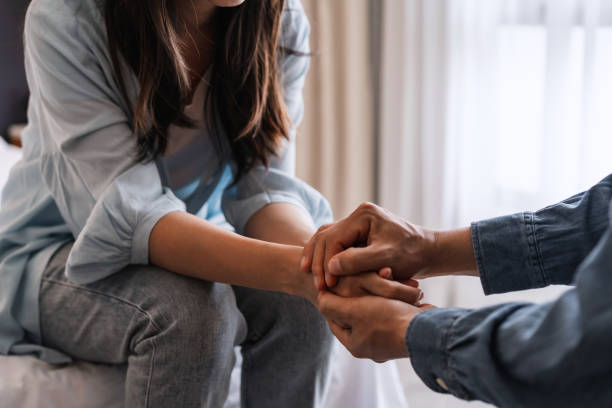
It is important to look after your mental wellbeing, whether you are currently experiencing some negative feelings or not. Preventative measures such as practicing self-love, mindfulness, and feeling present are useful strategies to maintain a healthy mindset. By allowing you to navigate your feelings, these methods will permit early identification of signs of distress, so that early interventions can be taken.
FAQs
Can scoliosis directly cause mental health conditions?
Scoliosis itself does not directly cause mental health conditions, but it can contribute to emotional challenges. Chronic pain, physical changes, and the demands of ongoing treatment may increase the risk of anxiety, low mood, or stress in some individuals.
Does scoliosis affect self-esteem in adulthood as well as adolescence?
Yes, while scoliosis is often associated with younger people, adults can also experience self-esteem challenges, particularly if the condition progresses or becomes more noticeable over time. Support and coping strategies are equally important at any age.
What role does exercise play in supporting mental wellbeing with scoliosis?
Appropriate physical activity, especially the scoliosis specific exercises recommended by healthcare professionals, can improve mood, reduce stress, and enhance overall wellbeing. Movement can also help individuals feel more in control of their bodies.
Final Thoughts
In conclusion, it is important to use Mental Health Awareness Week as an opportunity to practice listening, learning, and supporting, but most importantly as a guideline for future considerations. Open conversations and reduced stigma surrounding mental health should continue beyond this week, because mental health matters just as much as physical health.
Book an initial consultation to start your scoliosis physical therapy journey today, and rest assured that you will be in a warm and welcoming community at Scoliosis SOS.
📞 02074884428
🌐 www.scoliosissos.com
📷 @scoliosissosclinic
📧 enquiries@scoliosissos.com
📍 63 Mansell Street, London, E1 8AN (headquarters)