4.9 Out of 5 based on 875 reviews


Spinal fusion (SF) is a surgical procedure used to correct and stabilise certain types of scoliosis by permanently joining two or more vertebrae. It may be recommended when a spinal curve is severe, progressing or causing significant problems that other treatments have not adequately addressed. Understanding the procedure, recovery process and potential long-term effects can help patients and families make informed decisions about their care.
What is Spinal Fusion Surgery?
Spinal fusion is one of the most common surgical interventions used to treat scoliosis. During the operation, a surgeon uses metal screws and rods to hold the spine in a corrected position, while bone graft material encourages the affected vertebrae to grow together. Over time, this creates a more stable section of the spine.
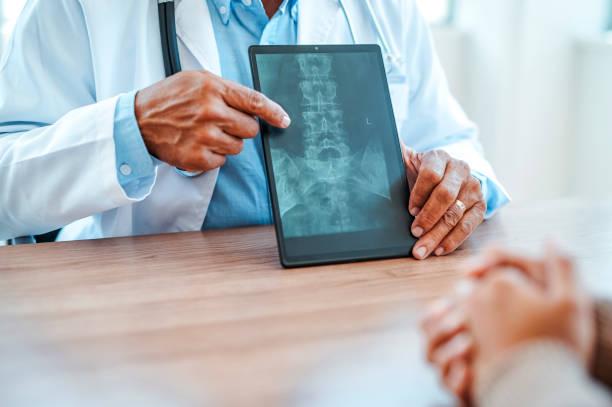
The aim is to improve spinal alignment, reduce the curvature and prevent further progression in the fused area. However, surgery does not usually make the spine completely straight, and it cannot guarantee that all symptoms, including back pain, will disappear.
Surgery may be considered for people with significant spinal curves, particularly when there is a risk of progression or substantial impact on daily life. The decision depends on factors such as curve severity, age, mobility, remaining growth, symptoms and overall health.
What is Recovery Like After Spinal Fusion?
Recovery is gradual, and everyone progresses at a different pace. Patients typically spend several days in hospital, where their medical team manages pain, monitors healing and helps them begin walking safely. Once discharged, they will need support with some everyday tasks while their body recovers.
The First Year After Surgery
The first year generally involves several stages of recovery:
- First few weeks: Pain, stiffness and fatigue are common. Walking short distances and gradually increasing activity are usually encouraged, following the surgeon’s instructions.
- One to three months: Everyday activities often become easier, although lifting, bending, twisting and strenuous exercise may remain restricted.
- Three to six months: Bone healing continues, and patients may gradually increase their activity as advised by their surgical team.
- Six to twelve months: Many people return to a wider range of activities, with continued improvements in strength, confidence and stamina.
Follow-up appointments and imaging may be used to assess healing and check spinal alignment. Exercises should be tailored to the operation and the individual’s progress.
When Can I Return to Work / School?
The timing depends on the type of work, the extent of surgery and how recovery progresses. Someone with a desk-based job may be able to return earlier than someone whose role involves heavy lifting, prolonged standing or physical labour. A phased return, reduced hours or temporary workplace adjustments may help.
Children and teenagers will also need an individual plan for returning to school, including arrangements for carrying books, sitting comfortably and participating in physical education.
Can You Travel After Spinal Fusion?
Short journeys may be possible relatively early, but long-distance travel requires more planning. Sitting for extended periods can cause discomfort, and reduced mobility may increase the risk of blood clots. Patients should follow their surgeon’s advice about when it is safe to travel, how often to move around and whether additional precautions are necessary.
Before flying, consider the length of the journey, access to assistance, luggage handling and arrangements for medication. Do not drive until you can move comfortably, react safely and meet your clinician’s advice and any relevant insurance requirements.
Will Scoliosis Progress After Surgery?
Spinal fusion is designed to prevent further progression in the section of the spine that has been fused. However, it does not guarantee that every part of the spine will remain unchanged.
Curves in unfused sections may progress, and changes can sometimes occur in the vertebrae next to the fused area. In younger patients, remaining growth can also influence the outcome. Regular follow-up helps the surgical team identify any changes and determine whether further assessment is needed.
Risks and Challenges to Consider
Spinal fusion is major surgery, so it is important to understand its potential risks and limitations. These include infection, bleeding, blood clots, nerve injury, problems with screws or rods, and failure of the bones to fuse properly. Persistent pain and reduced flexibility are also possible.
Because the fused section no longer moves in the same way as an unfused spine, certain movements may feel different afterwards. Some patients need time to adapt their posture, movement patterns and exercise routines.
Recovery can also be emotionally challenging. Temporary dependence on others, disrupted sleep, time away from work or school and uncertainty about progress may affect wellbeing. Support from family, healthcare professionals and appropriate rehabilitation services can be valuable
What Are the Long-Term Results and Success Rates?
Many patients experience improved spinal alignment and good long-term stability after spinal fusion. However, the outcome depends on the underlying condition, the size and flexibility of the curve, the surgical technique and whether complications occur.
There is no single success rate that applies to every patient. Studies may measure success differently, including curve correction, successful bone fusion, reduced pain, fewer complications or improved quality of life. A technically successful operation does not necessarily mean that every symptom will resolve.
Ask your surgeon about outcomes for patients with a similar curve and medical history, and clarify what success is expected to mean in your individual case.
Who is Spinal Fusion For?
Spinal fusion may be considered for children, teenagers or adults with significant scoliosis, particularly when a curve is progressing, is likely to progress or causes substantial symptoms or functional difficulties. Not everyone with scoliosis needs surgery; many people can be managed with monitoring, bracing or other appropriate non-surgical approaches.
A spinal specialist can explain the potential benefits and risks of surgery alongside the alternatives. The decision should be based on an individual assessment rather than the Cobb angle alone.
Questions to Ask Your Surgeon
Before deciding on spinal fusion, consider asking:
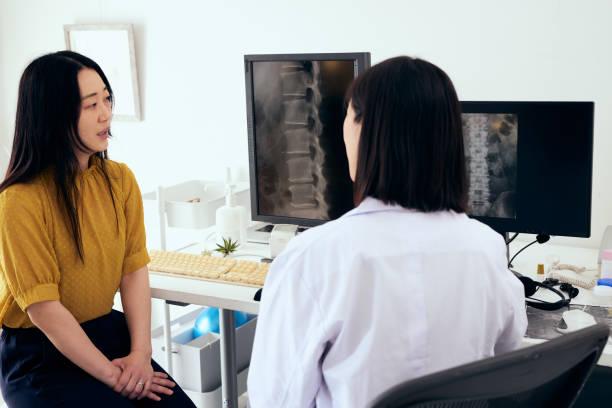
1. Why is surgery being recommended in my case?
2. What are the expected benefits, risks and alternatives?
3. How much of my spine will be fused, and how might this affect movement?
4. What is my estimated recovery timeline?
5. When can I return to work, school, driving, travel and sport?
6. What complications should I look out for?
7. How will my progress be monitored, and what happens if the fusion does not heal as expected?
Having these questions answered can help you understand what to expect and plan for recovery.
FAQ’s
How long does recovery from scoliosis spinal fusion take?
Initial recovery often takes several weeks, but bone healing and a return to unrestricted activities can take six to twelve months or longer. Your surgeon will advise you according to your progress.
Can I exercise after spinal fusion surgery?
Yes, but activities need to be reintroduced gradually. Walking is often encouraged early on, while strengthening exercises and sports should wait until your surgical team confirms they are appropriate. Postural exercises are also included to stabilise and strengthen the spine.
Will spinal fusion cure scoliosis permanently?
Spinal fusion can correct and stabilise the treated section, but it is not a guarantee that all symptoms will disappear or that other parts of the spine will never change.
Can you live a normal life after scoliosis surgery?
Many people return to work, education, travel and a wide range of everyday activities. The level of activity and any lasting restrictions depend on the surgery, recovery and individual circumstances.
Is spinal fusion the only option for scoliosis?
No. Depending on age, curve severity, progression and symptoms, options may include monitoring, bracing and specialist exercise-based management. A qualified spinal specialist can explain which approaches are appropriate.
Understanding Your Options
Spinal fusion can offer improved alignment and stability for people with significant scoliosis, but it involves major surgery, a lengthy recovery and individual risks. Whether surgery is appropriate depends on the patient’s spinal curve, symptoms, health and personal circumstances, so it is important to discuss all available options with a qualified spinal specialist.
At Scoliosis SOS, we provide non-surgical scoliosis assessment and exercise-based support, including programmes that may help some people before or after surgery. To discuss your condition and whether our services may be suitable, book an Initial Consultation.
📞 02074884428
🌐 www.scoliosissos.com
📷 @scoliosissosclinic
📧 enquiries@scoliosissos.com
📍 63 Mansell Street, London, E1 8AN (headquarters)