4.9 Out of 5 based on 875 reviews

What causes pain in adults with scoliosis?

Scoliosis in adults can either present as pain free, or it can cause pain as a result of the physical changes on the spine, causing muscular imbalances and/or stress. Pain ranges in severity, type, and location, and is addressed on a case-by-case basis, but this section explores the most common causes.
In the concavity of the spinal curvature, the muscles that attach to the individual vertebrae, known as the Erector Spinae, become compressed, thus causing irritation that can present as pain and trigger points. Opposingly, the Erector Spinae on the convexity of the curve become overstretched into their lengthened position. As a result of their enlarged appearance, the body recruits these muscles more for balance, but they aren’t designed to sustain the overstretched position, leading to fatigue, irritation, and/or pain. The curve itself may also cause some pain due to phenomena such as facet joint compression, intervertebral disc compression, nerve root irritation, etc. Asymmetrical loading from the scoliotic posture may also excessively load unilateral joints, exacerbating pain in regions other than the spine, such as the hips or knees.
Is it a cause for concern?

If left untreated, scoliosis curvature tends to increase at around 1-2° per year, which is likely to simultaneously exacerbate existing pain as the physical abnormalities increase. Pain is not something you should have to “get used to” – there are ways to manage and tackle it, so it is vital to do so to reduce the likelihood of it worsening over time. Similarly, chronic pain could affect more than just your physical health, so for the sake of maintaining better general wellbeing, it is best not to ignore any pain that you may be feeling.
How can it be managed?

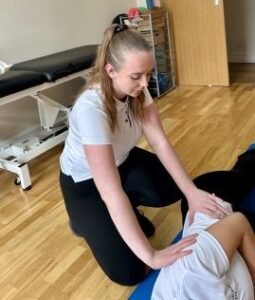
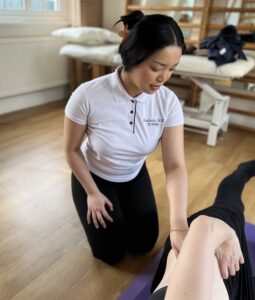
The best way to manage pain associated with scoliosis is to identify and tackle the root cause of the problem, as opposed to the symptoms alone. Regular practice of combatting muscular imbalances, improving posture, and increasing spinal stability is a great way of alleviating chronic pain. ScolioGold takes an individualised approach, using tailored exercises and breathing techniques to retrain one’s schema and reinforce a more central posture. This means the muscles are able to be used in a less disadvantaged position i.e. by reducing either compression or overstretching, which in turn lessens the strain and irritation put on them. Furthermore, ScolioGold is a multimodal strategy that couples physical therapy with other manual therapy techniques including, but not limited to, myofascial release, dry needling, and massage and trigger-point therapy, to further tackle sources of pain associated with scoliosis.
If you are experiencing pain related to your scoliosis, there is something that you can do about it. The first step is to book in an initial assessment with one of our experienced ScolioGold Consultants so we can begin understand the root cause of your pain and discuss the best treatment pathway for you. If you have any questions about how we can help you manage your pain, please give us a call or arrange a call back so we can help you further.