4.9 Out of 5 based on 875 reviews


Scoliosis and sciatica are two separate conditions, but they can sometimes occur together. Scoliosis affects the alignment of the spine, while sciatica describes symptoms caused by compression of the sciatic nerve. Understanding how the two conditions may be connected is a good way to help you recognise your symptoms and seek appropriate care or advice.
What is Scoliosis?
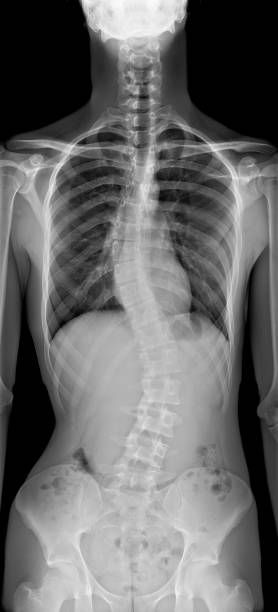
Scoliosis is a three-dimensional condition that creates an abnormal lateral curvature of the spine, often accompanied by vertebral and ribcage rotation. It can affect different or multiple sections of the spine, including the cervical, thoracic, lumbar, or thoracolumbar regions. Some people with scoliosis might not get any symptoms, whereas others may notice asymmetrical muscle tightness, changes in posture, or differences in movement. Any symptoms will vary depending on factors such as curve severity, location, and even patient demographics.
What is Sciatica?
Sciatica refers to pain and other symptoms that travel along the sciatic nerve, which extends from the lower back, through the buttock, down the back of each thigh, and all the way into the feet.
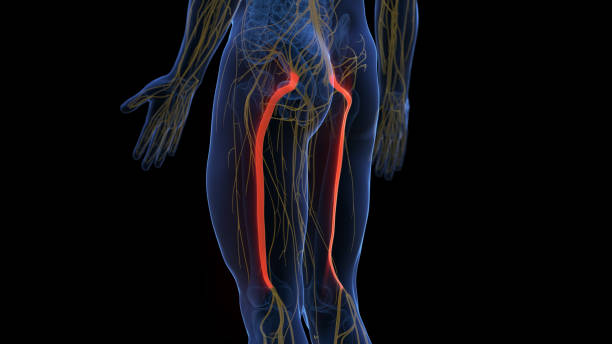
It is typically caused by the compression or irritation of one of the sciatic nerve roots, which in itself can be a result of a herniated disc, spinal stenosis, or age-related changes to the spine. Symptoms of sciatica may include pain, tingling, numbness, or weakness affecting the buttock, thigh, lower leg, or foot. Although not always the case, these symptoms frequently occur unilaterally (affecting one side).
Can Scoliosis and Sciatica Co-Exist?
It is normal for scoliosis and sciatica to occur at the same time; however, this does not mean that having scoliosis means you will certainly develop sciatica, nor that having sciatica symptoms means you have scoliosis. Many people with scoliosis can live free of sciatica, and sciatica can develop independently of scoliosis.
In scoliosis, the changes in the shape and alignment of the spine frequently lead to asymmetrical loading and alter how the surrounding muscles and joints move. In some cases, the spinal curvature, particularly if it is in the lumbar region, may be associated with changes that can contribute to the irritation of spinal nerves. It is noteworthy however, that if the two conditions coexist, its correlation doesn’t strictly reflect causation. For example, someone with scoliosis may experience sciatica because of a disc problem or another condition affecting the lumbar spine.
This means that pain travelling down the leg should not automatically be assumed to be caused by scoliosis. An appropriate assessment can help determine what may be contributing to the symptoms.
How Can You Tell the Difference Between Scoliosis Pain and Sciatica?
Scoliosis-related pain and sciatica can sometimes feel similar, but there are differences in how symptoms may present.
Scoliosis-related pain is often localised to the back or areas surrounding the curvature and may be associated with muscular tension, altered posture or mechanical loading. It can also cause referred pain, where discomfort is felt away from its original source, such as the hips, shoulders, or ribs. In some cases, scoliosis may also be associated with neurological symptoms, such as numbness, tingling or weakness, depending on whether nerves are affected. Bear in mind that neurological symptoms are not restricted to the lower back region and may also occur with thoracic curvatures where nerve or vascular structures are affected. For example, in some cases, conditions such as Thoracic Outlet Syndrome (TOS) may coexist with scoliosis and can be associated with secondary Raynaud’s phenomenon, which is a vascular symptom rather than a neurological disorder in itself.
Sciatica specifically involves irritation or compression of the sciatic nerve, typically causing pain that travels from the lower back or buttock into the leg. It may also cause numbness, tingling or weakness along the affected nerve pathway, as earlier mapped out.
Neurological symptoms can have several causes and do not necessarily indicate sciatica, so persistent or concerning symptoms should be assessed by an appropriate healthcare professional.
Can Scoliosis Treatment Help with Sciatica?
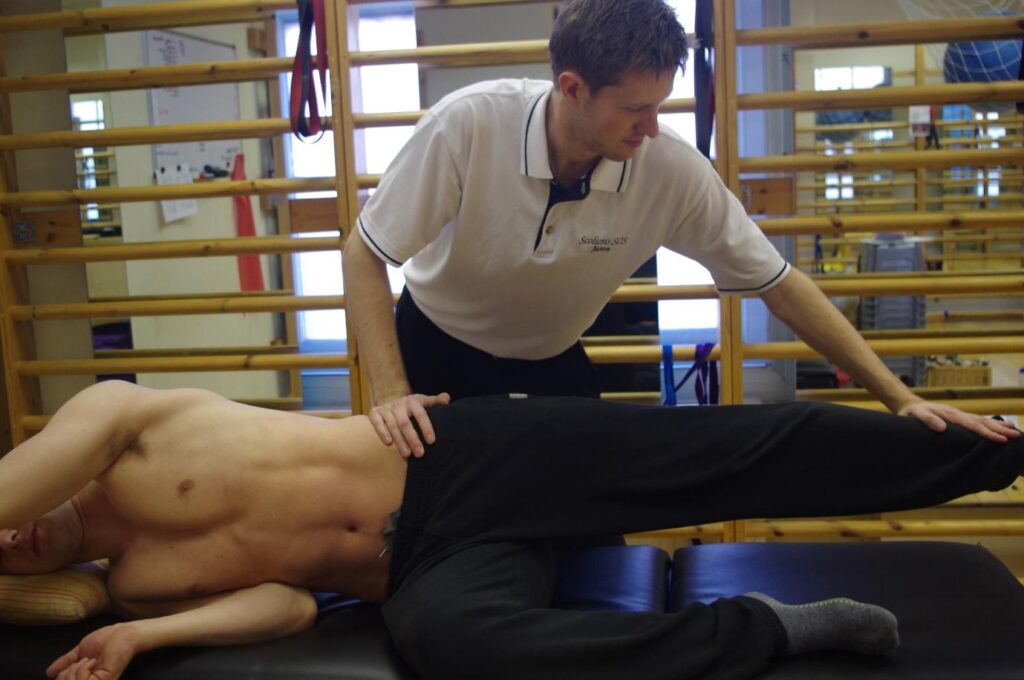
As they are two separate conditions, treatment for sciatica will often depend on the cause of the symptoms. If scoliosis is leading to the irritation of the sciatic nerve, then it is entirely possible that scoliosis treatment can influence the sciatic symptoms, whether that be by elongating or de-rotating the spine to reduce compression. If the symptoms are related to factors such as asymmetrical movement patterns, muscle imbalance, or mechanical loading caused by scoliosis, then an individualised scoliosis specific exercise programme may very well form part of sciatic management.
FAQ’s
Can scoliosis cause nerve pain in the leg?
In some cases, changes associated with scoliosis may contribute to irritation or compression of nerves in the lower spine, potentially causing symptoms in the leg. However, leg pain does not automatically mean that scoliosis is responsible, so an assessment may be needed to identify the underlying cause.
Is sciatica more common in people with scoliosis?
Scoliosis and sciatica can co-exist, particularly when there are other changes affecting the lumbar spine. However, having scoliosis alone does not mean that someone will develop sciatica.
Can exercise make sciatica worse?
Some movements may temporarily aggravate sciatic symptoms, particularly if they increase irritation of an affected nerve. However, avoiding all movement is not generally necessary. The type and amount of exercise should be adapted to your symptoms and, where appropriate, guided by a healthcare professional.
Can I have sciatica without having back pain?
Yes. Sciatic symptoms can sometimes be felt predominantly in the buttock or leg, including pain, tingling, numbness or weakness. The absence of significant back pain does not rule out nerve-related symptoms.
When Should I Seek Medical Advice?
If you have persistent pain travelling down your leg, numbness, tingling or weakness, it is advisable to seek professional assessment. Urgent medical attention is required if back or leg symptoms are accompanied by new problems controlling your bladder or bowel, numbness around the genitals or saddle area, or significant or rapidly worsening weakness.
If you are experiencing sciatic symptoms alongside your scoliotic symptoms, and are looking for a treatment method to target both, then Scoliosis SOS can help you. Book an initial consultation or contact us to find out how.
📞 02074884428
🌐 www.scoliosissos.com
📷 @scoliosissosclinic
📧 enquiries@scoliosissos.com
📍 63 Mansell Street, London, E1 8AN (headquarters)