4.9 Out of 5 based on 875 reviews

If you have been diagnosed with scoliosis, you may already be familiar with the idea that your spine has an abnormal lateral curvature. But what if you have also been diagnosed with another spinal condition, or are already aware of one?
It is possible to have more than one spinal condition at the same time. In some cases, conditions can affect different parts of the spine; in others, one structural change may influence the way the rest of the spine moves and adapts. Understanding these conditions and the way they can affect each other can make it easier to recognise your symptoms, ask the right questions, and find an appropriate approach to managing your overall spinal health.
So, What Is Scoliosis?
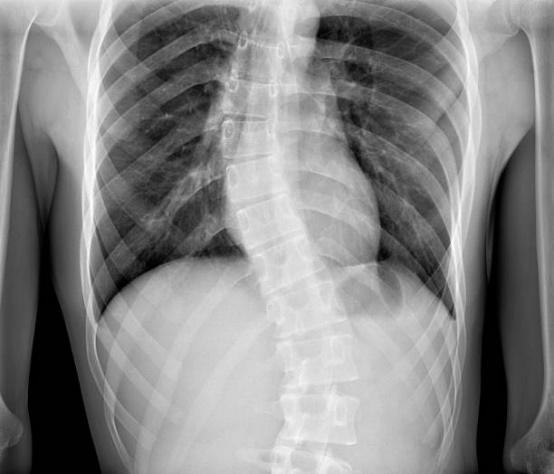
Scoliosis is the abnormal sideways curvature of the vertebral column, but is a three-dimensional spina condition, which courses spinal rotation too. Around 80% of cases are adolescent idiopathic, meaning it develops in childhood and the cause is unknown, but other forms can be associated with congenital abnormalities, neuromuscular conditions or age-related changes to the spine.
Can You Have More Than One Spinal Condition?
It is entirely possible to have more than one spinal condition simultaneously. Because every person’s spinal structure is different, scoliosis does not necessarily always occur in isolation. A person may have another spinal or musculoskeletal condition alongside their scoliosis, which can make their symptoms and treatment needs more individual.
The important point is that these conditions are not necessarily caused by one another. Two spinal conditions can simply coexist, although changes in one part of the spine can sometimes affect posture, movement and the mechanical demands placed on other areas.
Scheuermann’s Kyphosis and Scoliosis
Scheuermann’s kyphosis is one condition that can occur alongside scoliosis.
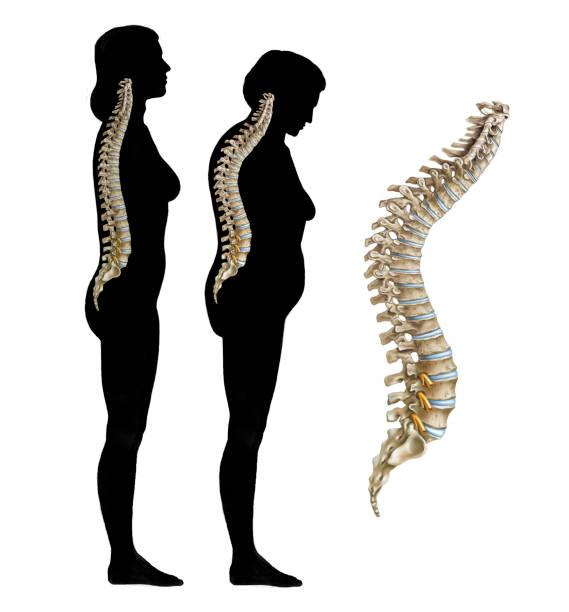
Kyphosis describes an excessive outward curve of the upper spine, creating a more rounded appearance. Scheuermann’s kyphosis is a structural form of hyperkyphosis, where the vertebrae can become wedge-shaped, causing the spine to curve forwards. It commonly develops during adolescence.
A person can therefore have both a dorsal scoliosis curve and a hyperkyphotic curve, and the combination may be described as kyphoscoliosis. This means that the spine has both a lateral curvature and an increased forward curve. When these curves occur together, the overall shape and balance of the spine can be more complex than with scoliosis alone. This is one reason why looking at the spine as a whole is important when assessing someone’s posture, mobility and symptoms.
Spina Bifida and Scoliosis
Another example is spina bifida, a condition that develops when the spine and spinal cord do not fully develop in the womb. There are different forms and levels of severity, meaning that its effects can vary significantly between individuals.
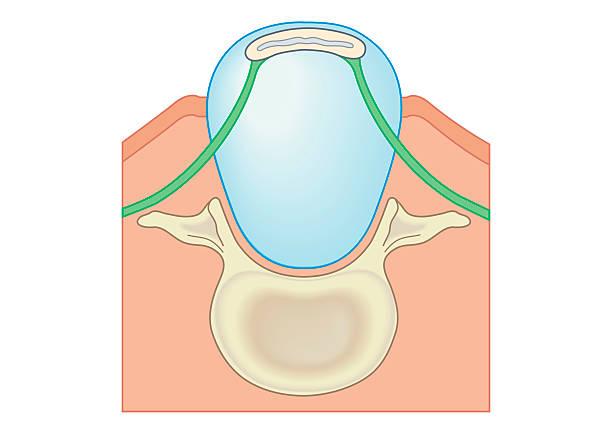
Digital illustration showing Spina Bifida Myelomeningocele, where part of spinal cord contained within sac of cerebrospinal fluid protrudes through skin, forming a large bulge.
Scoliosis is often one of the main orthopaedic issues associated with spina bifida. The relationship can be particularly relevant because changes affecting the spine and nervous system may influence spinal development, posture and movement. However, having spina bifida does not mean that every person will develop scoliosis, and the severity and presentation can be very different from one individual to another.
Other Conditions That Can Occur Alongside Scoliosis
Other examples include of spinal conditions that can coexist with scoliosis include, but are not limited to:
- Hyperlordosis: an exaggerated inward curvature affecting the lower back, typically causing lower cross syndrome.
- Ankylosing Spondylitis: an inflammation of the spinal joints/vertebrae, leading to stiffness and pain.
- Spondylosis: age-related wear and tear of the spine, including changes to the discs and vertebrae, so is most commonly seen with adult degenerative scoliosis.
- Spondylolisthesis: when one vertebra slips forward or backward relative to another, which in some cases may cause nerve-related symptoms.
- Osteoarthritis of the Spine: a type of arthritis where the cartilage that cushions between the vertebrae wear down, creating a friction that can cause stiffness and pain.
- Spinal Stenosis: the narrowing of the tunnels in the spine which contain the nerves or spinal cord.
This does not mean that having scoliosis automatically puts someone at risk of developing all of these conditions, nor does having one of these conditions guarantee the development of scoliosis. What it does mean, however, is that scoliosis forms a wider part of spinal health, and that the bigger picture should always be considered when treating individuals.
Why Is Having Multiple Conditions Relevant?
When someone presents with more than one spinal condition, it can be difficult to identify which condition is responsible for a particular symptom. For example, back pain, stiffness, reduced mobility or postural changes can have several possible contributing factors. A person with both scoliosis and hyperkyphosis may experience a different pattern of symptoms from someone with scoliosis alone.
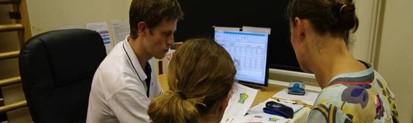
This is why an individual specialist assessment is so important. Rather than focusing solely on the Cobb angle or the appearance of a single curve, a comprehensive assessment can consider the overall alignment of the spine, posture, muscle balance, movement patterns, symptoms and the individual’s medical history.
It is also important to bear in mind that having multiple spinal conditions does not necessarily mean that treatment is impossible. It simply means that any treatment plan needs to be appropriately tailored to the individual, as should be the case for any treatment plan.
How Can Multiple Spinal Conditions Be Managed?
The right approach depends on the conditions involved and their severity, as well as other factors attributed to the individual, such as the person’s age and symptoms, personal goals, and whether they present with any neurological or other medical concerns. Depending on the circumstances, management may involve monitoring, physiotherapy, exercise, bracing, pain management or, in some cases, surgical treatment.
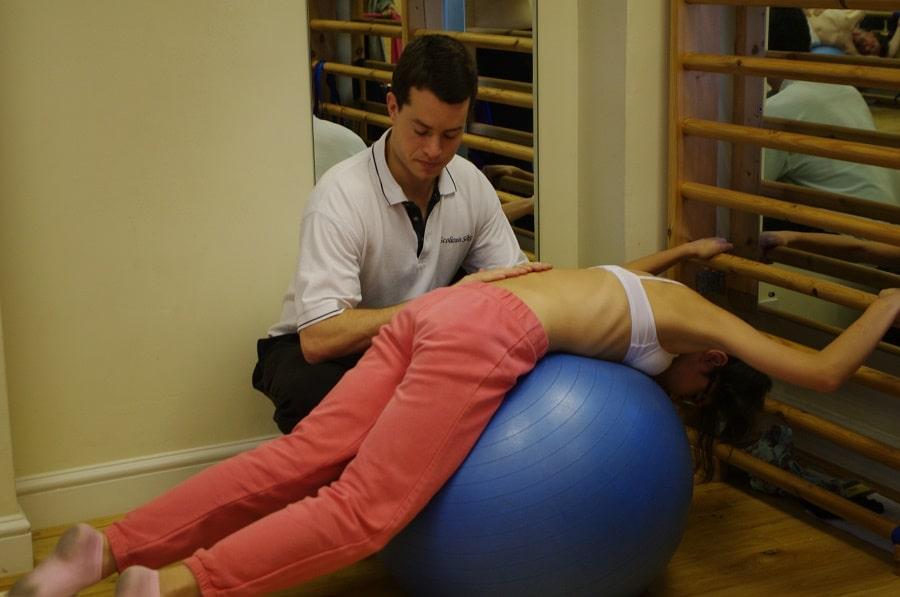
For people with scoliosis, specialist physiotherapy may focus on improving postural awareness, movement, muscular balance, and functional ability. At Scoliosis SOS, the ScolioGold programme incorporates physiotherapeutic scoliosis-specific exercises (PSSE) with other therapeutic approaches and is tailored to the individual’s presentation and goals. If another spinal condition is present, it is important that this is discussed during assessment so that exercises and therapeutic techniques can be adapted appropriately.
Every Spine Is Different
Having scoliosis alongside another spinal condition can understandably feel confusing, particularly if you have received several diagnoses or have been told that your conditions are complex.
However, having more than one condition does not mean that you cannot work towards better movement, improved posture, or reduced symptoms. It simply reinforces the importance of understanding the whole picture rather than treating the scoliotic curve in isolation.
How Can Scoliosis SOS Help?
At Scoliosis SOS Clinic, we specialise in non-surgical approaches to scoliosis and other spinal conditions, working with children, teenagers, and adults. Treatment programmes are individually tailored and may incorporate scoliosis-specific exercises, manual therapy, postural education, and other techniques depending on the individual’s needs.
📞 02074884428
🌐 www.scoliosissos.com
📷 @scoliosissosclinic
📧 enquiries@scoliosissos.com
📍 63 Mansell Street, London, E1 8AN (headquarters)