4.9 Out of 5 based on 875 reviews

Scoliosis is a three-dimensional condition causing an abnormal sideways curvature of the spine, which in turn can affect the position and movement of the spine and rib cage. In some cases, particularly in individuals with larger thoracic curves, these changes may alter breathing mechanics. This can become more noticeable during exercise, when the body requires more oxygen and breathing naturally becomes deeper and faster.
How can scoliosis affect breathing?
The rib cage expands and contracts during breathing to allow this same movement of the lungs during inhalation and exhalation respectively. As mentioned, the lateral curvature and rotation of the spine caused by scoliosis can alter the shape of the chest wall. In some cases, this can reduce the chest wall mobility, or even limit the amount of space available in which the lungs can expand. This does not mean that everyone with scoliosis will experience challenges with their breathing. In fact, many people have normal respiratory function.
However, in the few cases that do experience difficulties, there may be more pronounced limitations during exercise. These symptoms may present as:
- Reduced tolerance to exercise
- Requiring more frequent breaks
- Becoming short of breath more quickly
- Feeling unable to take a deep breath in
- More rapid breathing during physical activity
Despite these being symptoms associated with scoliosis occasionally, it is vital to remember that they can have many causes, including fitness levels, conditions like asthma, or other cardiovascular conditions, and therefore should not be automatically attributed to scoliosis.
Breathing Patterns and Scoliosis
With the potentially altered chest wall alignment and shape in consideration, it is entirely possible for scoliosis to lead to asymmetrical chest movement, meaning that one side of the ribs may expand differently from the other during respiration.
For example, the curvature concavity can also affect the position of the ribs, possibly creating an area of collapse, thereby altering the available movement of the chest wall on one side. In cases like this, some people with scoliosis may therefore develop a breathing pattern that favours areas of the chest that have more range of movement, as opposed to achieving global expansion throughout the whole rib cage. Specifically, in some individuals
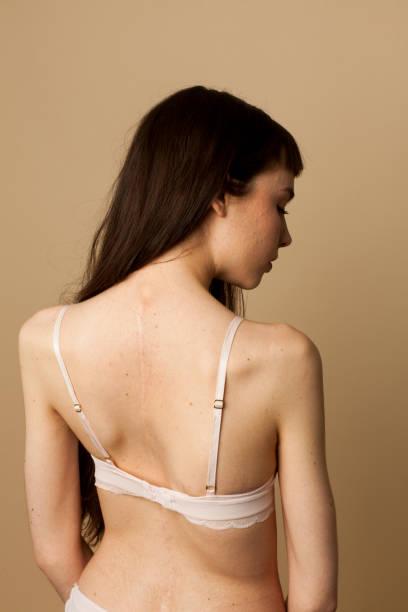
with thoracic dextroscoliosis, where the spine curves to the right in the upper-mid back, there might be some collapsing into the left side, causing them to favour the right side of the posterior ribcage when inhaling. These changes can be subtle and may not cause noticeable symptoms in everyday life, but may become more apparent during physical activity, when breathing demands increase.
How can breathing be assessed?
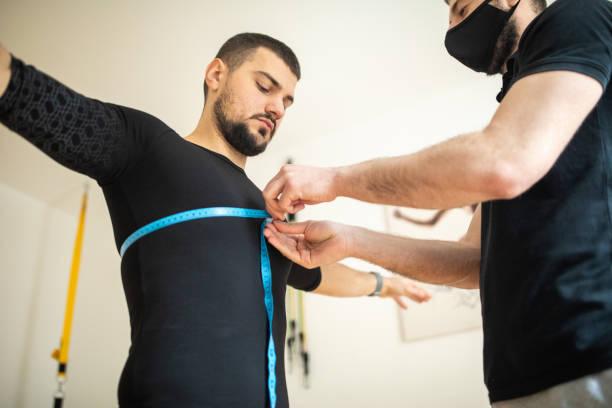
There are multiple ways in which general respiratory function can be assessed, and it all depends where you go. One simple clinical measure is the chest wall expansion test. This is where a tape measure is placed around the upper and lower chest to measure the change in chest circumference between inhalation and exhalation. This gives a good idea of ribcage mobility, and to be able to see which part of the thorax one expands into the most (upper may indicate chesty breathing, or lower may indicate diaphragmatic breathing).
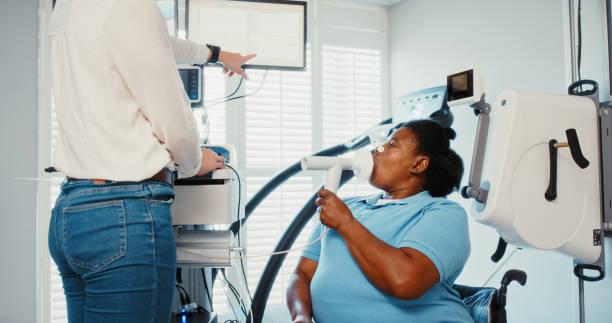
Another assessment is spirometry. This is a lung function test during which a person performs maximal exhalation in terms of both volume and speed, by breathing out as hard and as fast as possible. A variety of measurements can be determined from this test, most notably the forced expiratory volume in one second (FEV1), and the forced vital capacity (FVC). FEV1 is the volume of air you can forcefully exhale in the first second, while FVC is the total volume of air you exhale during the entire forceful breath. These are very useful indicators of an individual’s lung function, and in certain settings can help distinguish between changes in breathing mechanics and other potential causes of breathing difficulties.
Which assessment is used depends entirely on the individuals and what the healthcare professional is trying to determine. They may be used individually, or, like at Scoliosis SOS, they may be used in conjunction with each other to gain a wider understanding of one’s circumstances.
Can PSSE improve breathing?
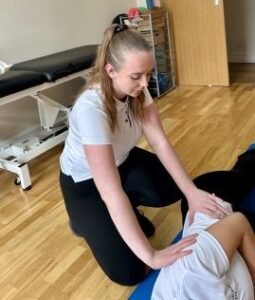
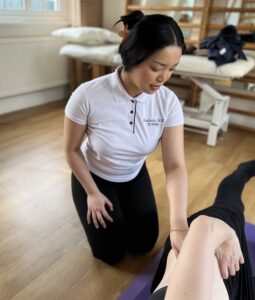
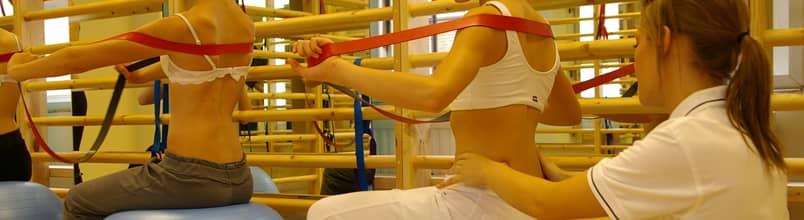
Physiotherapeutic Scoliosis-Specific Exercises (PSSE) often incorporate specific breathing techniques alongside specialised exercises designed to address an individual’s three-dimensional spinal alignment.
Depending on the approach used, breathing may be directed towards areas of the rib cage where expansion is reduced. The aim is to encourage greater awareness and movement of the chest wall while performing corrective exercises, as well as to de-rotate the ribcage intrinsically.
Research reports improvements in measures of respiratory function following PSSE programmes, although results may vary between individuals. It is important to distinguish these potential changes from general exercise adaptations. Improvements in respiratory measurements can also be influenced by factors such as physical fitness and exercise capacity.
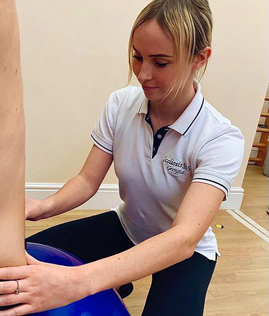
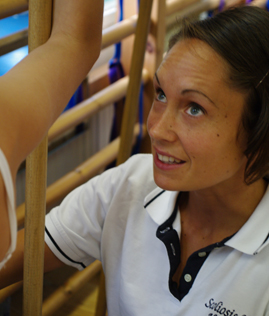
At Scoliosis SOS, improvements are frequently seen in chest wall expansion and spirometry measures following a course of treatment. A physiotherapist trained in PSSE can assess an individual’s breathing pattern and determine whether breathing techniques should form part of their exercise programme.
FAQs
Can scoliosis make exercise feel more difficult?
It can for some people, particularly when the spinal curvature is more pronounced. However, difficulty during exercise can have many different causes, so it is important not to assume that scoliosis is responsible.
Are there exercises I should avoid if I have scoliosis?
This is circumstantial. Most people with scoliosis can remain physically active. The most appropriate activities depend on factors such as your individual curve, symptoms, fitness level, and any other health conditions, so it’s best to speak to a professional who can assess your condition if you have any concerns.
Can improving my fitness help with exercise-related breathlessness?
Improving cardiovascular fitness can increase your exercise tolerance and make physical activity feel easier. Regular, appropriately paced exercise may therefore be beneficial, although persistent or unexplained breathlessness should be discussed with a healthcare professional.
Should I speak to a doctor about breathing difficulties?
Yes, particularly if breathlessness is new, worsening, occurs unexpectedly, or is significantly affecting your daily activities or exercise. A healthcare professional can help determine whether scoliosis or another underlying cause may be contributing.
Tailored Support
If you, or someone you love, have concerns about your scoliosis, then Scoliosis SOS can help you. An initial consultation with a member of our specialist ScolioGold team will give you all the information you need to start to navigate your non-surgical scoliosis treatment journey. Contact us today to find out more.
📞 02074884428
🌐 www.scoliosissos.com
📷 @scoliosissosclinic
📧 enquiries@scoliosissos.com
📍 63 Mansell Street, London, E1 8AN (headquarters)