4.9 Out of 5 based on 875 reviews

Congenital scoliosis is a type of scoliosis that typically develops in-utero / before birth due to abnormal spinal development in the womb. Whilst most forms of scoliosis may appear during childhood or adolescence, congenital scoliosis is present at birth, although not often noticed until later childhood. Understanding how to monitor and treat congenital scoliosis can help families to make informed decisions regarding care and support.
What is Congenital Scoliosis?
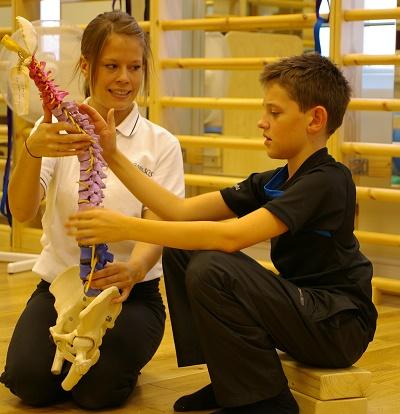
Congenital scoliosis occurs when one or more vertebrae do not form correctly during foetal development. The spine may develop with missing, partially formed, or fused vertebrae, which can cause the spine to curve sideways as the child grows due to the imbalance on the skeletal structures.
The severity of congenital scoliosis can vary from person to person. Some children may have mild curvatures that changes little over time, whilst others may experience further rapid progression with growth. In some cases, congenital scoliosis may also appear alongside other congenital conditions that affect the ribs, heart, kidneys or nervous system.
What Causes Congenital Scoliosis?
Congenital scoliosis develops early on in pregnancy, usually within the first 6 weeks of embryo development whilst the spine is forming. In most cases, there is no known single cause. The condition can be linked to structural abnormalities in the vertebrae themselves, including:
Hemi Vertebrae
When only half of a vertebra forms properly, sometimes referred to as a Butterfly Vertebrae. This can create an uneven structure in the spine, leading to curvatures as growth continues.
Failure of Segmentation
When two or more vertebrae fail to separate properly during development, and remain fused together. This can cause a lack of flexibility in one area of the spine and contribute to uneven growth and curvatures.
Mixed Vertebral Abnormalities
Where some children have a combination of partially formed and fused vertebrae, which can increase the likelihood of curve progression.
Symptoms and Signs
Symptoms of congenital scoliosis can vary depending on the location and severity of the spinal anomaly. In some children, congenital scoliosis can be identified shortly after birth, whilst with others it may only become more noticeable during growth spurts.
Some common signs and symptoms include:
- Uneven shoulders, hips or waistline asymmetry
- A visible curve in one or more areas of the spine
- Shoulder blade winging / prominence
- Tilting to one side
- Prominence on the back
- Reduced balance or postural changes
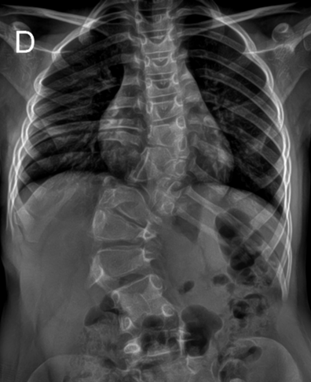
Some children may not experience pain, especially in early childhood. This, however, is important to monitor closely as spinal curves can change as the body develops.
Diagnosis
Typically, congenital scoliosis is diagnosed through a physical examination and imaging, such as x-rays, MRI scans or CT scans. These investigations can help specialists to identify the type of vertebral abnormality and assess whether organs or other systems are also affected.
Regular monitoring is recommended during childhood to assess whether the spinal curve is stable or at risk of further progression.
Treatment Options
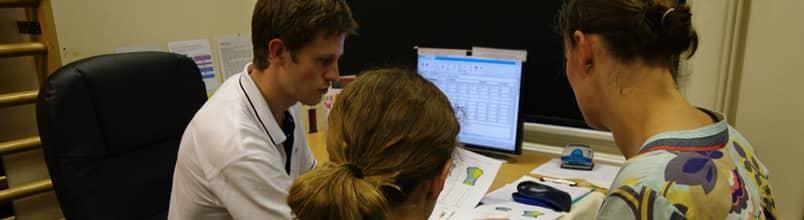
Treatment options for congenital scoliosis depends on several factors, including age, curve severity, and rate of progression.
Observation and Monitoring
Regular monitoring and growth tracking to identify any spinal changes overtime.
Scoliosis Specific Exercises
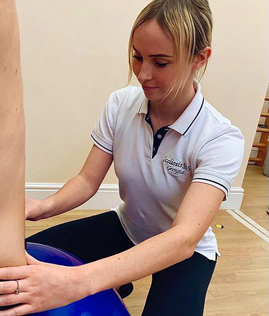
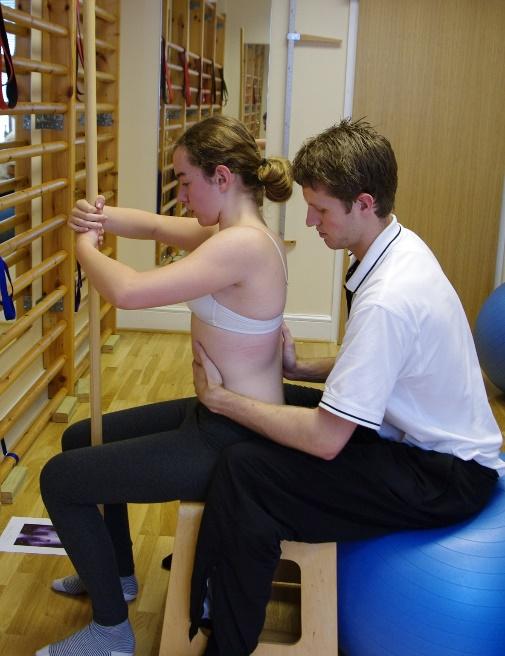
Some patients benefit from specialised physiotherapy approaches such as the ScolioGold Method, which aims to improve posture, muscle balance and spinal stability through tailored and targeted exercises.
Bracing
Bracing may sometimes be useful to help manage progression in selected cases of congenital scoliosis, depending on the child’s growth and curve pattern.
Surgery
In some more severe or progressive cases, surgery may be considered to help to control the curve and support spinal growth. Surgical recommendations are highly individual and depend on the specific spinal abnormalities present.
FAQs
What is congenital scoliosis?
A spinal curvature caused by the abnormal development of vertebrae before birth. This condition is typically present in-utero, though can appear gradually as a child grows.
How is it diagnosed?
Typically diagnosed from physical examinations and imaging scans including x-rays and MRIs.
Can it get worse overtime?
Yes, in some cases congenital scoliosis can progress as a child grows, particularly pre-puberty and during growth spurts. Regular monitoring helps specialists assess any rapid changes early.
Is congenital scoliosis painful?
Many children do not initially report pain, although discomfort and postural strain may develop later in life depending on the curve severity.
What treatments are available for congenital scoliosis?
Treatment options can include observation, scoliosis-specific exercises, bracing, and in some cases surgery, depending on the individual’s age and curve progression.
Supporting Children with Congenital Scoliosis
Congenital scoliosis can vary greatly in severity and progression, which is why early assessment and regular monitoring are important. Children and families may benefit from personalised support that considers posture, mobility, growth, and overall spinal health. If you would like to discuss congenital scoliosis or explore suitable treatment and management options, booking an Initial Consultation with the team at Scoliosis SOS can help provide further guidance.
📞 02074884428
🌐 www.scoliosissos.com
📷 @scoliosissosclinic
📧 enquiries@scoliosissos.com
📍 63 Mansell Street, London, E1 8AN (headquarters)