4.9 Out of 5 based on 875 reviews

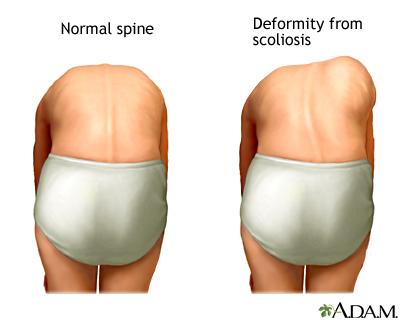
Scoliosis is a condition where the spine curves sideways, often forming an “S” or “C” shape when viewed from behind, and it can develop at different stages of life with varying levels of severity. Adolescent Idiopathic Scoliosis (AIS) is the most common type, occurring in children and teens aged 10 to 18 during periods of rapid growth, and the term “idiopathic” means that there is no known underlying cause, such as a neurological or muscular condition.
The curvature can range from mild to more pronounced and may progress as the child grows, which is why monitoring is important. AIS is typically diagnosed when a spinal curve measures 10 degrees or more on an X-ray, and in many cases, it develops gradually without causing noticeable pain in the early stages.
Signs and Symptoms to Look Out For
AIS can sometimes go unnoticed, particularly in mild cases. However, there are several physical signs that may indicate its presence:
- Uneven shoulders or shoulder blades
- One hip appearing higher than the other
- A visible curve in the spine
- Clothes not fitting evenly
- A rib prominence, especially when bending forward
How Is AIS Diagnosed?
Diagnosis usually begins with a physical examination, including a forward bend test to assess spinal symmetry. If scoliosis is suspected, imaging such as an X-ray is used to confirm the diagnosis and measure the curve. Specialists may also monitor growth patterns, as curves are more likely to progress during periods of rapid growth. Early diagnosis allows for more effective management and monitoring.
Treatment Options for Adolescent Idiopathic Scoliosis
Treatment for AIS depends on several factors, including the severity of the curve, the patient’s age, and how much growth remains.
- Observation: For mild curves, regular monitoring may be recommended to track progression.
- Bracing: For moderate curves in growing adolescents, bracing can help prevent further progression.
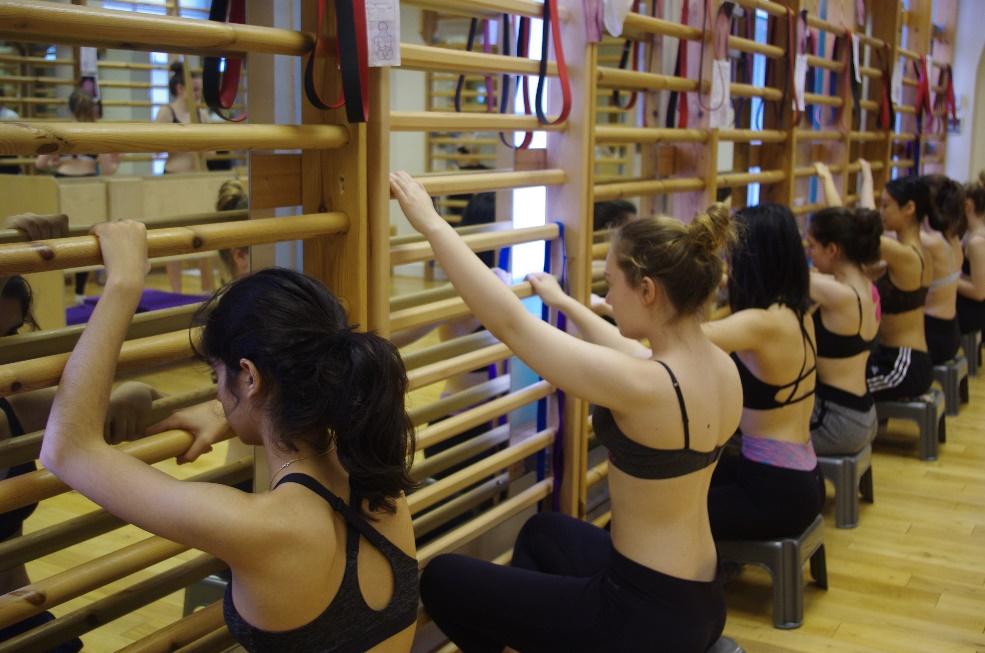
- Scoliosis-specific exercises: Targeted exercise programmes may help improve posture and muscular balance.
- Surgery: In severe cases, surgical intervention may be considered to correct the curve and stabilise the spine.
Each treatment plan is tailored to the individual, with the aim of managing the condition effectively while maintaining quality of life.
Living with Adolescent Idiopathic Scoliosis
Many individuals with AIS lead active, healthy lives. Regular physical activity is often encouraged, and most daily activities can be continued without restriction. Emotional support and education are also important, as a diagnosis during adolescence can sometimes impact confidence and self-image. Ongoing monitoring ensures that any changes in the curve are identified early, allowing for timely adjustments to treatment if needed.
FAQs
What is adolescent idiopathic scoliosis?
Adolescent idiopathic scoliosis is a spinal curvature that develops during puberty without a known cause.
How is adolescent idiopathic scoliosis assessed?
It is assessed through a physical examination and confirmed using imaging such as X-rays to measure the spinal curve.
Does adolescent idiopathic scoliosis always get worse?
Not all cases progress. Some curves remain stable, while others may worsen, particularly during growth spurts.
What treatments are available for adolescent idiopathic scoliosis?
Treatment options include observation, bracing, exercise programmes, and in some cases, surgery.
Summary and Next Steps
Adolescent Idiopathic Scoliosis is a common spinal condition that develops during growth and varies in severity and progression. It is most suitable for monitoring and treatment during adolescence when early intervention can be most effective, particularly conservative treatments like the ScolioGold Method. To find out more about how we can help you with non-surgical scoliosis management, book an initial consultation.
📞 02074884428
🌐 www.scoliosissos.com
📷 @scoliosissosclinic
📧 enquiries@scoliosissos.com
📍 63 Mansell Street, London, E1 8AN (headquarters)