4.9 Out of 5 based on 875 reviews

If you have picked up on one of your shoulder blades ‘sticking out’ more why it is happening. In many cases, it is simply postural habits and natural asymmetries in the body, but sometimes it can indicate a structural change such as scoliosis. Differentiating between the two is the first step to understanding what is going on and what to do about it.
Everyday habits that affect your posture can naturally create small imbalances over time, such as favouring one arm when carrying a bag, or slouching. These are functional causes, which are typically temporary or reversible with better posture habits and movement. However, if the asymmetry persists, even when trying to stand straight, it points to a more structural root.

Scoliosis is a condition where the spine curves sideways, typically creating an “S” or “C” shape, and it can influence the alignment of the entire body, for example by pulling the shoulder blade out of position as the upper body shifts and rotates. This is a common early sign of scoliosis, and while it isn’t necessarily something to be alarmed about, there are non-surgical routes you can take to slow the progression of the condition, such as physiotherapy.
FAQs
What is the difference between a winged scapula and a tipped scapula?
A winged scapula typically has a muscular cause, where weakness fails to hold the scapula against the ribs, causing the inner border of the shoulder blade to protrude. A tipped scapula typically has more of a structural cause like scoliosis, where the spinal curve rotates the rib cage, forcing the scapula to tilt forward and display the inferior angle more than usual.
Is it normal to have slightly uneven shoulders?
Yes – most people aren’t perfectly symmetrical. Small differences are usually due to muscle imbalance or daily habits and aren’t a cause for concern, but if you are worried or the asymmetry is becoming more noticeable, it might be worth getting checked out.
When should I consider getting help?
If the asymmetry is progressing or accompanied by pain, it’s best to seek a professional assessment as structural changes in the spine are harder to correct without specialist guidance.
Final Thoughts
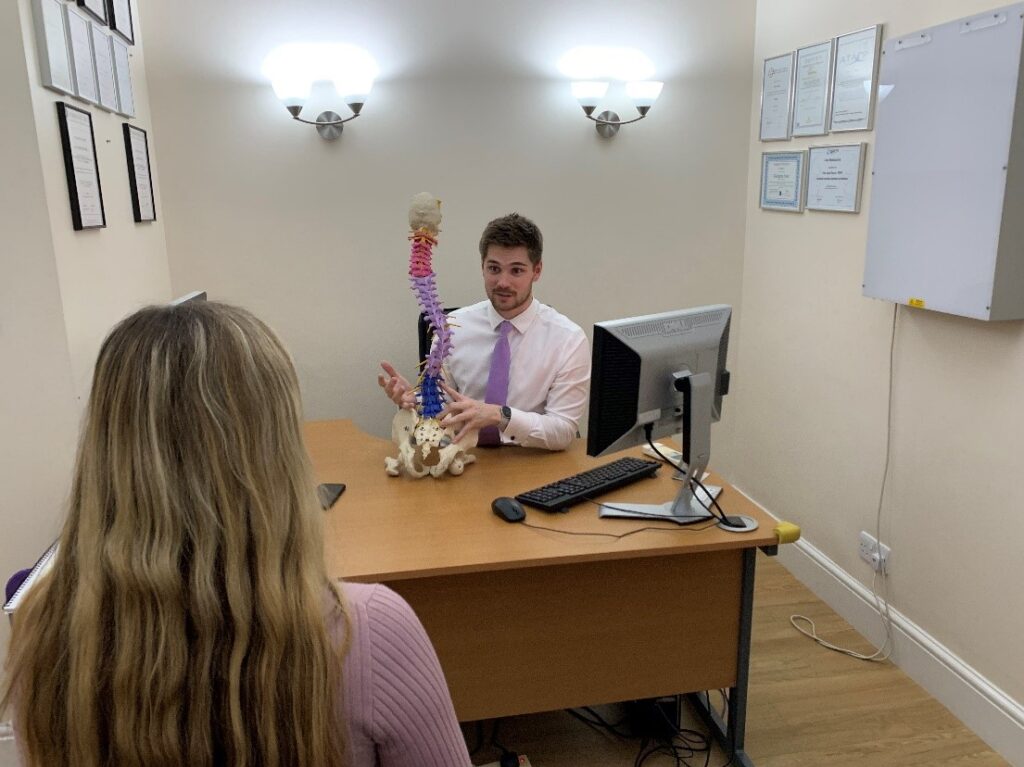
In summary, a sticking-out shoulder blade may just be because of posture, but persistent, painful, or progressing asymmetries could indicate a separate underlying cause. Early awareness makes a huge difference in effective management, and Scoliosis SOS are here to help you through every step of your journey, from assessment, to treatment, to aftercare. Contact us to find out more or book an initial consultation to speak face to face with one of our expert practitioners.
📞 02074884428
🌐 www.scoliosissos.com
📷 @scoliosissosclinic
📧 enquiries@scoliosissos.com
📍 63 Mansell Street, London, E1 8AN (headquarters)