4.9 Out of 5 based on 875 reviews

Scoliosis in Adults
When we think of scoliosis, teenagers often come to mind, but scoliosis isn’t limited to adolescence. In fact, adult scoliosis is more common than many people realise—and it can cause chronic pain, reduced mobility, and a lower quality of life if not properly managed.
At the Scoliosis SOS Clinic, we regularly work with adult patients who are struggling with pain, reduced mobility, or postural issues caused by scoliosis. If you’re an adult living with scoliosis, you’re not alone—and there are non-surgical treatment options available to help you take control of your condition and improve your quality of life.
What Is Adult Scoliosis?
Adult scoliosis refers to any abnormal curvature of the spine in a person who has finished growing. It typically falls into two main categories:

- Degenerative scoliosis – This form develops later in life due to wear-and-tear on the spine, often accompanied by conditions like arthritis or osteoporosis. Over time, this can cause the vertebrae to shift and tilt, leading to a curve.
- Progressive idiopathic scoliosis – Some adults are diagnosed with scoliosis that originally developed in their teens (idiopathic scoliosis) but went undiagnosed or untreated at the time. Over the years, the curve may gradually worsen, especially during periods of hormonal change (like menopause) or due to age-related degeneration.
Common Symptoms of Scoliosis in Adults
Adult scoliosis can present a range of symptoms, varying greatly in severity based on the degree of curvature, location, and individual health factors. The most common symptoms include:
- Chronic lower or upper back pain
- Stiffness and reduced spinal flexibility
- Muscle fatigue or weakness
- Numbness, tingling, or weakness in the legs (due to nerve compression)
- Postural imbalances such as uneven shoulders or hips
- A visible curve or spinal rotation
- Balance issues or difficulty walking
These symptoms can significantly affect daily activities, from sitting at a desk to lifting objects or even sleeping comfortably.
What Happens if Scoliosis Is Left Untreated in Adults?
If left unmanaged, scoliosis in adulthood can progressively worsen over time, often leading to an increase in symptoms such as pain, stiffness, reduced mobility, and postural changes. As the spinal curvature progresses, it may begin to impact your daily activities, quality of life, and overall physical health—making early, proactive treatment essential for long-term management.
1. Increased Pain and Discomfort
As spinal curvature becomes more pronounced, it often leads to greater strain on surrounding muscles, ligaments, and joints. This can result in chronic pain and muscle fatigue, even during everyday activities like walking, sitting, or standing for long periods.
2. Loss of Flexibility and Mobility
Untreated scoliosis may gradually limit your range of motion and spinal flexibility. This can make it harder to bend, twist, or move comfortably, which in turn affects your independence and ability to stay active as you age.
3. Progressive Curve Worsening
In many adult cases, particularly those with degenerative scoliosis, the spinal curve can continue to progress over time. This worsening may be slow or rapid, depending on factors like posture, lifestyle, bone density, and general health.
4. Postural Changes and Imbalance
As the spine curves further, noticeable postural changes may develop, such as uneven shoulders, a tilted pelvis, or a leaning trunk. These changes can lead to balance problems, increase the risk of falls, and impact your confidence and appearance.
5. Nerve Compression
In more advanced cases, scoliosis can cause the spinal vertebrae to compress nearby nerves. This can result in neurological symptoms such as numbness, tingling, or shooting pain, as well as weakness in the lower limbs.
6. Reduced Lung or Heart Function (Severe Cases)
In more severe cases, especially where the curve is large and located in the thoracic spine (upper back), untreated scoliosis can begin to affect lung capacity and heart function by limiting the space inside the rib cage. This can lead to shortness of breath, fatigue, or even cardiovascular strain.
Non-Surgical Treatments for Adult Scoliosis
Surgery isn’t the only option for managing scoliosis, especially in adults. In fact, many people living with scoliosis are able to reduce pain, improve function, and slow curve progression through non-surgical scoliosis specific exercise..
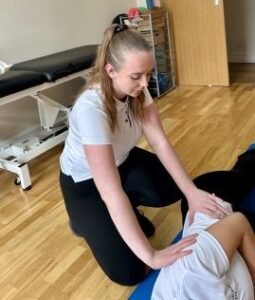
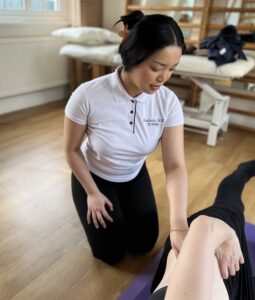
At the Scoliosis SOS Clinic, we specialise in conservative scoliosis management, helping adult patients regain control of their condition and improve their quality of life, without the risks or recovery time associated with spinal surgery.
The ScolioGold Method
Our treatment programmes are built around the ScolioGold method, an approach that combines multiple specialist therapies into one comprehensive, personalised plan. Each programme is tailored to your unique curve pattern, symptoms, and lifestyle, ensuring the most effective and lasting results.

Surgical Treatment for Adult Scoliosis
While many adults with scoliosis are able to manage their condition effectively through non-surgical treatments, there are some cases where surgery may be considered as a last resort. Spinal surgery for scoliosis is typically reserved for patients experiencing severe or worsening symptoms that significantly affect their quality of life and do not respond to conservative treatment.
Surgery may be recommended for adult scoliosis patients in the following situations:
Severe or Progressive Curvature
When the spinal curvature exceeds approximately 45–50 degrees and continues to progress. In such cases, surgery may be advised to stop further curve progression and restore spinal balance.
Chronic Pain
If scoliosis is causing ongoing and severe pain that interferes with everyday activities, despite consistent non-surgical treatment, surgical correction may be explored to relieve pressure on the spinal structures and restore alignment.
Nerve Compression or Spinal Stenosis
In cases where scoliosis causes the spinal vertebrae to press on nearby nerves, symptoms such as numbness, tingling, muscle weakness, or difficulty with coordination or walking can occur. This is often a sign of spinal stenosis or nerve root compression, and surgery may be required to decompress the nerves and relieve these neurological symptoms.
Loss of Function or Mobility
For some patients, scoliosis-related complications can lead to difficulty standing upright, walking long distances, or maintaining normal body function. If these limitations become severe, surgery might be necessary to improve overall mobility and independence.
Ineffectiveness of Non-Surgical Treatments
When physical therapy, bracing, and other conservative approaches no longer provide relief or the condition continues to deteriorate, surgical intervention may become the next step in managing the progression of the curve and alleviating symptoms.
Taking Control of Adult Scoliosis
Living with scoliosis as an adult doesn’t have to mean living in pain or letting the condition limit your lifestyle. Whether your curve developed recently due to degeneration or has been progressing since adolescence, there are a wide range of treatment options available to help you manage symptoms, prevent further progression, and maintain your independence.
At the Scoliosis SOS Clinic, we believe in empowering our patients through education, specialist exercise, and personalised care. Our non-surgical approach has helped thousands of adults find relief and reclaim their quality of life, without the need for invasive procedures.
If you’re experiencing symptoms of scoliosis or have been recently diagnosed, don’t wait for things to get worse. With the right support and a tailored treatment plan, it is entirely possible to live well with scoliosis.
Want to learn more?
Contact the Scoliosis SOS Clinic today to book a consultation and take the first step towards a stronger, more balanced spine.