4.9 Out of 5 based on 875 reviews

When exploring scoliosis treatment, one of the most common questions is: ‘What results can I expect?’ While every spine is different, treatment success can be clearly tracked through measurable data, visible changes, and patient experiences. Understanding these outcomes helps build trust and gives a realistic picture of what can be achieved over time.
Scoliosis Before and After: Visualising Real Change
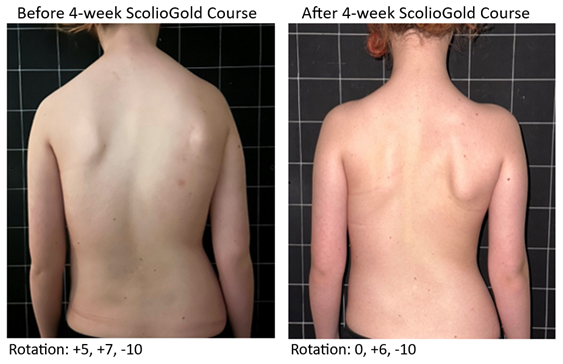
Before-and-after comparisons are one of the most effective ways to demonstrate treatment impact. These images often highlight improvements in posture, spinal alignment, and body symmetry. While not all patients achieve large curve reductions, many show stabilisation and visible postural improvements—both considered successful outcomes.
How We Measure Success
Scoliosis treatment success is not defined by a single metric. Instead, a combination of clinical tools is used to assess progress comprehensively, ensuring both structural changes and functional improvements are captured.
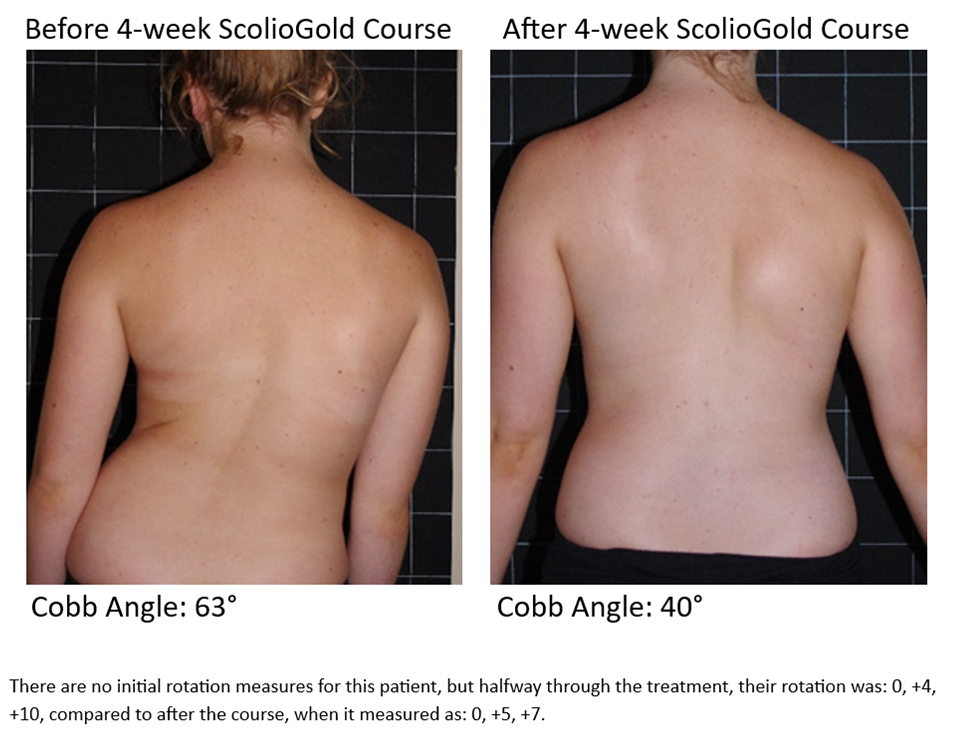
- Cobb Angle: The gold standard for measuring spinal curvature using X-rays. This helps clinicians track whether a curve (for example, a 30-degree scoliosis) is improving, stabilising, or progressing over time. Even small reductions or preventing further increase can be considered a positive outcome.
- Scoliometer Readings: A non-invasive tool used during physical assessments to measure trunk rotation and rib prominence. It is particularly useful for monitoring changes between X-rays and tracking visible improvements in posture.
- Lung Capacity & Breathing Function: In cases of thoracic scoliosis, spinal curvature can affect how the lungs expand. Measuring breathing function helps assess whether treatment is improving overall physical capacity and endurance.
- Postural and Functional Assessments: These include evaluating balance, muscle symmetry, and movement patterns. Improvements here often translate into better daily comfort, reduced fatigue, and enhanced physical performance.
What Patients Say about Scoliosis SOS
★★★★★
“This has been life changing for me! My back is greatly improved and continues to be so and with the knowledge and understanding I have and with the exercise plan in place it’s very manageable now. The therapists are incredible. The Scoliosis SOS clinic has really made a difference to my every day. Thank you.”
— Patient Review → Read review
★★★★★
“I’m an international patient with a 50° curve and completed the 4-week programme. The team was very supportive and approachable, and they clearly explained each exercise so I understood what I was doing and why.”
— Patient Review → Read review
Why Treating Mild Scoliosis is Just as Important as Treating Severe Scoliosis
Mild scoliosis can still get worse over time, especially during rapid growth periods in adolescence. Even if there are no pains or obvious symptoms, it’s still important to monitor it early. Early treatment can help prevent the curve from getting worse, improve posture early, and support long-term spinal health. Acting early often leads to better long-term results and can reduce the need for more intensive or invasive treatment later on.
Long-Term Results
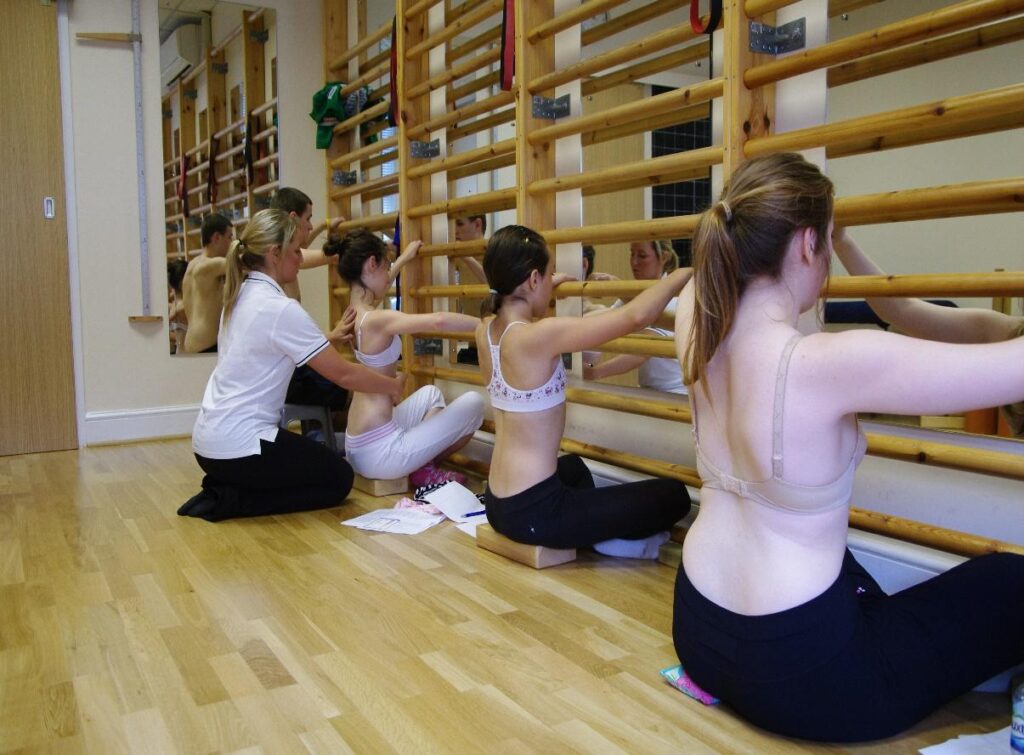
Improving scoliosis symptoms is one part of the journey and keeping those results is just as important. Long-term success depends on continuing physiotherapeutic scoliosis specific exercises and staying aware of posture in daily life. Patients who stay consistent with their exercises are more likely to maintain their improvements in posture, strength, and comfort. In most cases, long-term results come from regular practice, good habits, and ongoing self-care.
FAQs
How long does it take to see results from scoliosis treatment?
Results vary depending on the individual, age, severity of the curve, and treatment conducted. Some patients begin noticing improvements in posture, comfort, and muscle balance within a few weeks, while measurable structural changes (like Cobb angle reduction) may take longer and require consistent effort over months.
Can scoliosis be completely cured?
Scoliosis is usually not “cured” in the traditional sense, especially in adults. However, it can be effectively managed. Many patients achieve stabilisation, reduced curvature, improved posture, and significant symptom relief with the right treatment approach.
What happens if scoliosis is left untreated?
If untreated, scoliosis may worsen over time, particularly during growth phases or due to lifestyle factors. This can lead to increased curvature, postural changes, discomfort, and in more severe cases, may impact other systems in the body.
Can adults benefit from scoliosis treatment?
Absolutely. While the spine is no longer growing, adults can still improve posture, reduce pain, increase strength, and enhance overall quality of life through targeted treatment.
To summarise…
Scoliosis treatment results are shown through a mix of clinical measurements, visible changes, and patient experiences. While every case is different, early and consistent treatment can lead to real, lasting improvements in posture, function, and quality of life. If you are looking to start your scoliosis journey, contact us to find out more about our tailored treatment options, or book an initial consultation to speak to one of our experts face-to-face.
📞 02074884428
🌐 www.scoliosissos.com
📷 @scoliosissosclinic
📧 enquiries@scoliosissos.com
📍 63 Mansell Street, London, E1 8AN (headquarters)