Scoliosis SOS

Our Customers Say | Excellent     4.9 Out of 5 based on 875 reviews 


Teen posture getting worse suddenly

Teen posture getting worse suddenly

If you’ve noticed your teenager’s posture seems to have changed in a short period of time, it’s natural to wonder what’s causing the change. While slouching due to lifestyle factors such as increased screen time, heavy school bags and reduced physical activity or poor habits is common, a sudden change in posture isn’t always something to dismiss. In some cases, it may be linked to an underlying spinal condition such as scoliosis, which often develops during adolescence when growth is most rapid.  

Scoliosis is a three-dimensional curvature of the spine that most commonly develops between the ages of 10 and 18, during periods of rapid growth. Teenagers often experience rapid growth spurts that can temporarily affect balance, coordination, and posture. However, if your child’s shoulders appear uneven, they consistently lean to one side, or their posture seems to deteriorate quickly despite reminders to stand up straight, it could indicate scoliosis. Because adolescent idiopathic scoliosis often progresses gradually and without pain, many parents first notice changes in posture before any other symptoms appear and become more noticeable as their child grows. In this case, it’s worth looking more closely to rule out an underlying condition rather than assuming it’s simply a bad habit.

FAQs

How can I tell the difference between poor posture and scoliosis

Poor posture is generally flexible and improves when your teenager consciously straightens their back. Scoliosis, however, is a three-dimensional curvature that causes structural changes to the spine, meaning the uneven appearance usually remains even when trying to stand tall.

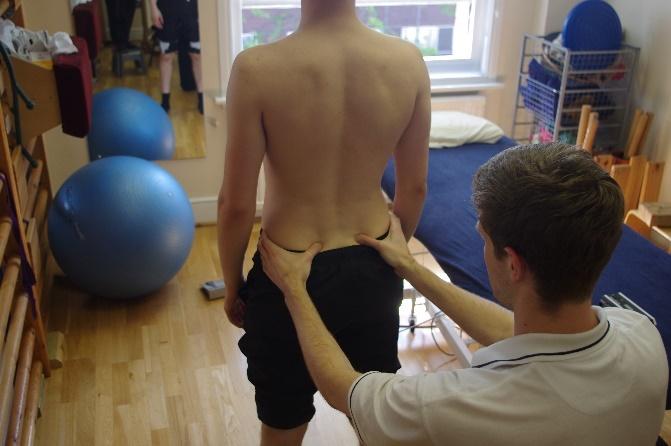
Although scoliosis may initially appear to be poor posture, additional signs such as uneven shoulder blades, an uneven waist, or one hip sitting higher than the other should be assessed by a healthcare professional. 

If your teenager’s posture has noticeably worsened over weeks or months, especially during a growth spurt, it is worth arranging an assessment. Early identification is important because scoliosis can progress while the spine is still growing, and prompt treatment may help manage the condition more effectively. 

Possibly. In fact, many teenagers with adolescent idiopathic scoliosis experience little or no pain, especially in the early stages. This is why changes in posture are often one of the first signs parents notice. At the end of the diagnostic process, many people discover that the issue is simply postural, however early diagnosis puts you in the best position to reduce the risk of progression. 

Many people with scoliosis do not require surgery. Depending on the individual’s age, spinal curvature, and stage of growth, treatment may include specialist physiotherapy with scoliosis-specific exercises. In some cases, this is used in combination with bespoke scoliosis bracing to further support treatment goals.

Concerned About Your Teenager’s Posture?

If your teenager’s posture has changed suddenly, don’t ignore the signs. The specialists at Scoliosis SOS provide expert assessments and non-surgical treatment programmes for children and teenagers with scoliosis, helping families identify the cause of postural changes and access appropriate care. To find out more or book an assessment, contact us today.

📞 02074884428
🌐 www.scoliosissos.com
📷 @scoliosissosclinic
📧 enquiries@scoliosissos.com
📍 63 Mansell Street, London, E1 8AN (headquarters)