4.9 Out of 5 based on 875 reviews

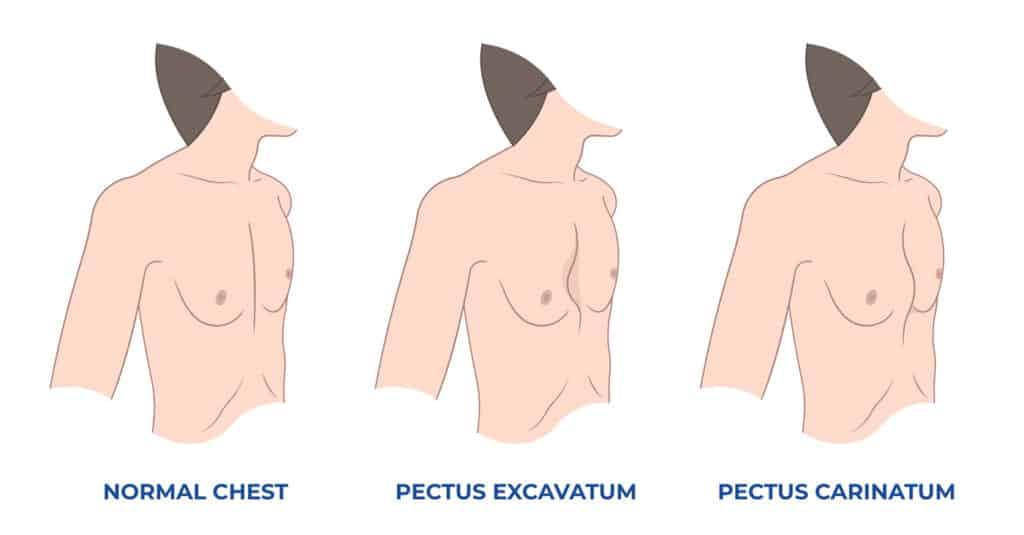
If you’ve noticed your breastbone, or sternum, looks different in shape, you’re not alone as variations in chest structure are quite common. Factors such as posture, muscular imbalance, or uneven rib growth can affect the appearance of the breast bone, but sometimes the differences may be linked to certain congenital conditions. If your sternum appears to dip inwards creating a hollow appearance, it may be indicative of a condition called Pectus Excavatum. If your sternum appears to protrude outwards, this may be Pectus Carinatum. In mild cases, these may just be considered purely cosmetic issues that become more noticeable during teenage growth spurts which may affect confidence, but in some cases, posture, breathing, and stamina may be affected.
Solutions and Support
Treatment for Pectus depends on the severity of the deformity and the symptoms:
- Monitoring: Mild cases may not require treatment.
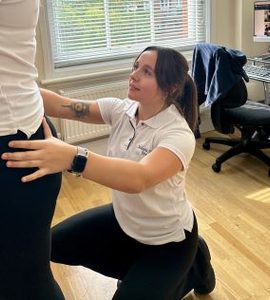
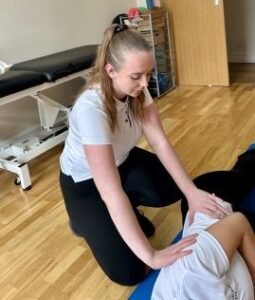
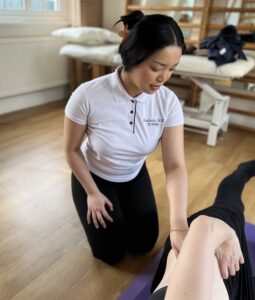
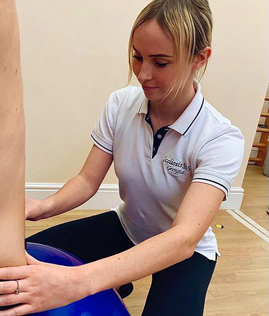
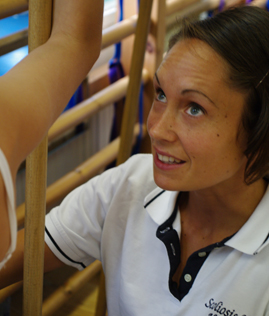
- Exercise & posture correction: Can improve overall chest appearance. Scoliosis SOS Clinic (SSOS) provide non-surgical treatment programmes focusing on posture and spinal alignment, as well as tailored physiotherapy treatment programmes for Pectus.
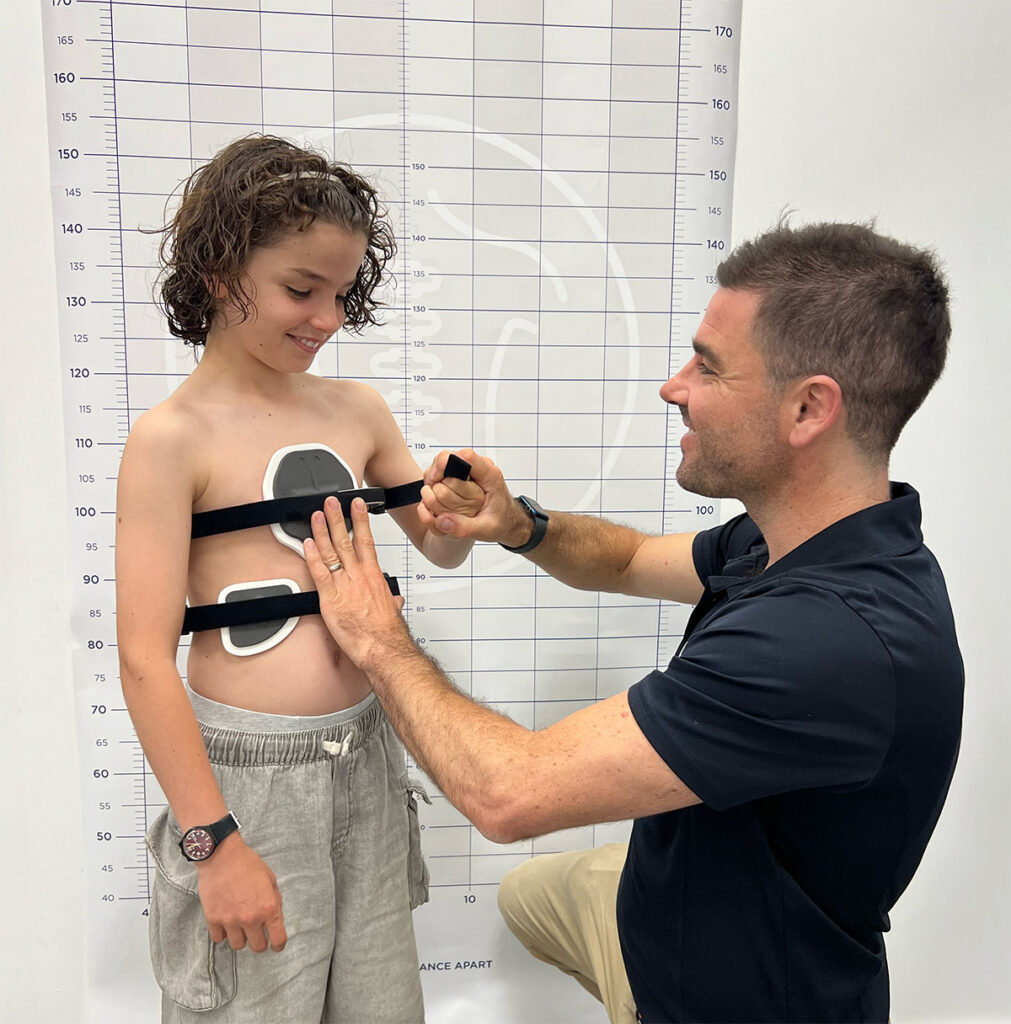
- Bracing: At many clinics, including London Orthotic Consultancy (LOC), different types of custom braces are available for each type of Pectus. A vacuum bell therapy and a bespoke rib flaring brace is designed for Pectus Excavatum, and a bespoke dynamic chest compressor brace (pictured) is designed for Pectus Carinatum.
- Surgery: Considered in more severe or symptomatic cases.
FAQs
Is it normal for my breastbone to look different?
Yes, slight differences are common. Many people have some degree of asymmetry.
When should I seek help?
If you experience pain, shortness of breath, or concerns about appearance, it’s worth consulting a specialist such as LOC or SSOS.
Can posture affect my chest shape?
Yes. ‘Poor’ posture can exaggerate the appearance of chest wall differences, emphasising the benefits of postural strengthening in pectus physiotherapy sessions.
Are non-surgical treatments effective?
Yes. A combined approach to non-surgical pectus treatment can be very effective, including physiotherapy, breathing techniques, and bracing.
Will it get worse over time?
It can progress during growth, particularly in adolescence, so early assessment is helpful.
If you’re unsure about the cause or progression, clinics like London Orthotic Consultancy and Scoliosis SOS Clinic can assess chest shape, posture, and any related spinal alignment issues. Early evaluation is especially helpful during growth years, when non-surgical treatments tend to be most effective. Contact us today to see how we can help you!
📞 02074884428
🌐 www.scoliosissos.com
📷 @scoliosissosclinic
📧 enquiries@scoliosissos.com
📍 63 Mansell Street, London, E1 8AN (headquarters)