4.9 Out of 5 based on 875 reviews

Scoliosis isn’t limited to children, many adults also experience this spinal curvature, which can cause pain, postural imbalance, and reduced mobility. At Scoliosis SOS Clinic, we specialise in non-surgical treatment programmes for adults that aim to reduce pain, improve posture, and prevent further curve progression.
Exercise-Based
Treatment
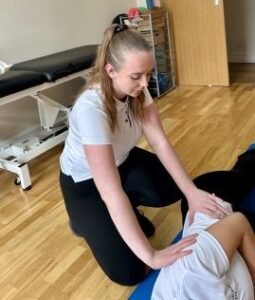
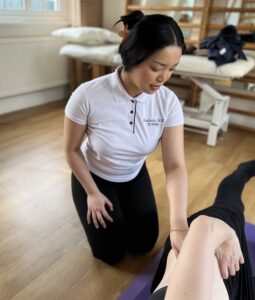
Exercise is the most effective non-surgical option for managing adult scoliosis. The goal is to rebalance the muscles supporting the spine, strengthening weak areas while relaxing those that are overactive. At Scoliosis SOS, our ScolioGold method combines several evidence-based approaches to achieve these goals.
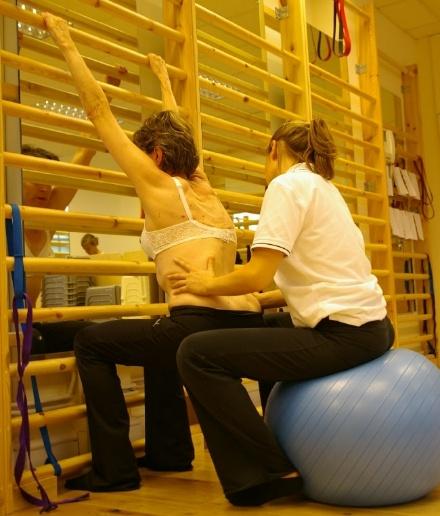
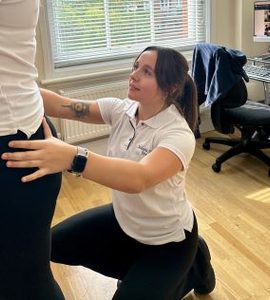
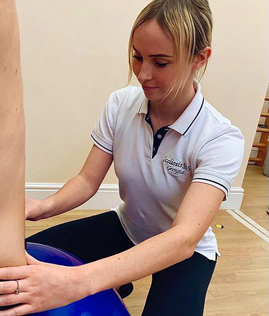
This programme includes Physiotherapeutic Scoliosis-Specific Exercises (PSSE) such as the Schroth Method, SEAS, FITS, and PNF techniques – all tailored to each patient’s individual curve pattern. These methods work to de-rotate, elongate, and stabilise the spine in three dimensions. Our therapists also teach patients how to maintain correct posture during daily activities, ensuring long-term improvement beyond the clinic.
Adults often notice reduced pain, greater mobility, and improved confidence in movement after completing their ScolioGold course. Always consult a medical professional before beginning any new exercise programme.
Bracing in Adults
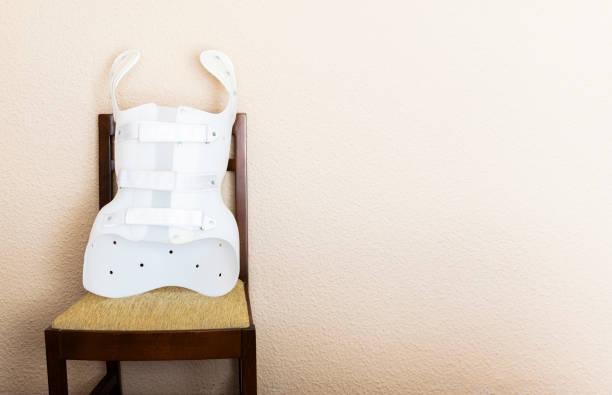
Although bracing is traditionally used for adolescents, it can still support adults when applied appropriately. A brace helps to realign and stabilise the spine by applying gentle pressure to the outer curve and relief on the inner curve.
For adults, bracing is typically used to reduce pain, improve posture, or slow curve progression – particularly if there is spinal degeneration or imbalance. At Scoliosis SOS, bracing may be combined with ScolioGold exercises for a comprehensive, non-surgical approach to managing scoliosis.
Surgery
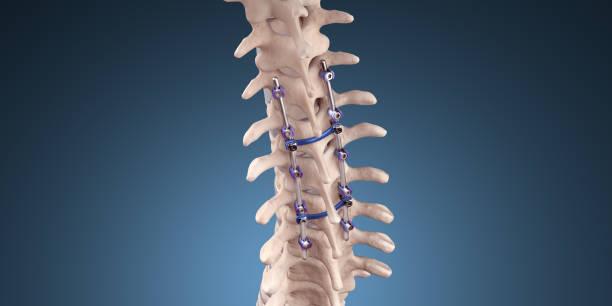
Surgery is generally only recommended for adults whose curvature has progressed significantly or is causing severe pain and functional limitation. While spinal fusion can be an option, Scoliosis SOS works closely with patients to explore non-surgical alternatives first.
If surgery is necessary, our therapists can provide rehabilitation and recovery exercises to strengthen the spine and aid post-operative mobility.
FAQs
Can scoliosis worsen in adulthood even if it was mild before?
Yes, scoliosis can progress in adulthood, particularly due to age-related spinal degeneration, osteoporosis, or prolonged postural imbalances. Without intervention, scoliosis is expected to progress at a rate of 1-2° per year, but regular monitoring and appropriate treatment can help manage this risk.
Is it ever too late to start treatment for scoliosis?
No, adults of any age can benefit from non-surgical treatment. While structural changes may be more established than in younger patients, targeted exercises and support can still reduce pain and improve function.
How do I know if I should seek professional help for scoliosis?
If you experience persistent back pain, visible postural changes, reduced mobility, or worsening symptoms, it’s advisable to consult a specialist for assessment and guidance.
Begin Your Treatment Journey
At Scoliosis SOS Clinic, we offer personalised treatment for adults seeking to improve their spinal health without surgery. Our London-based team of specialised therapists delivers intensive in-person and virtual programmes designed to suit your lifestyle. Contact us to find out how we can tailor treatment to you and your goals.
📞 02074884428
🌐 www.scoliosissos.com
📷 @scoliosissosclinic
📧 enquiries@scoliosissos.com
📍 63 Mansell Street, London, E1 8AN (headquarters)