4.9 Out of 5 based on 875 reviews

Being diagnosed with scoliosis can raise a lot of questions and in a lot of cases the most common initial step for the NHS is to take the observation approach. Whilst this may seem risky, it is a structured and evidence-based process that helps to ensure patients get the right care at the right time.
What is it?
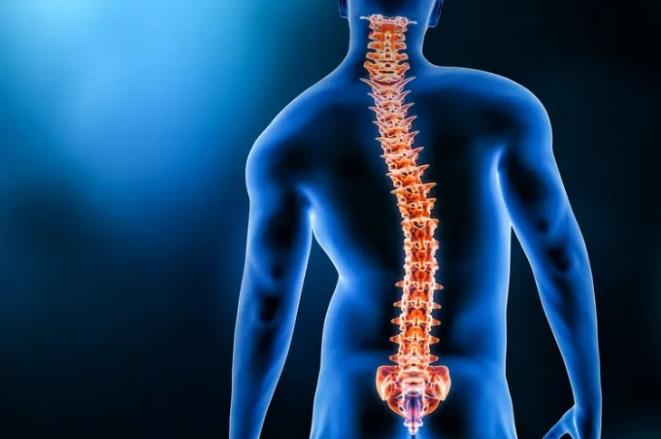
The observation approach is when healthcare professionals choose to monitor the curve progression over time to get a better understanding. Cases when the observation approach might be used:
- Mild curvatures (less than 20-25 degrees)
- Non-symptomatic patients
- Slow curve progression
- The curve has been identified early on and the patient is still growing.
When it would not be suitable
In some instances, more active treatment is necessary.
Moderate to severe curves: immediate intervention is typically needed, often through surgery or bracing, to prevent further progression and complications like respiratory or cardiovascular issues.
Rapid curve progression: If a curve is progressing rapidly, especially in growing children, the observational approach may not be sufficient. A significant increase in curve degree over a short period of time would likely require more active treatment, such as bracing or surgery.

Significant pain and reduced mobility/function: If the scoliosis is causing significant back pain, neurological symptoms (e.g., numbness, weakness, or loss of coordination), or difficulty breathing (in cases where the spine’s curvature is severe), treatment beyond observation is typically necessary.
Adult degenerative scoliosis: In adults, particularly those with degenerative scoliosis (scoliosis due to aging or wear and tear), observing the condition without addressing any symptoms can lead to worsening pain, decreased mobility, or neurological damage. A more proactive approach may be required.
Neuromuscular or syndromic scoliosis: If scoliosis is secondary to another condition, such as a neuromuscular disorder, an infectious or inflammatory condition, or a congenital deformity, it often requires more targeted treatment than just observation.
Patient anxiety/preference: In some cases, especially for children or adolescents, if the family or patient expresses concern or anxiety about the progression of the curve, even a mild curve might be treated with bracing or other interventions rather than observation alone.
Do we just sit and wait?
No, not necessarily, the observation approach is more than just waiting around. The plan will look similar to this:
Regular check ups: Every 4-12 months. This will depend on patient age, curve severity and risk of progression
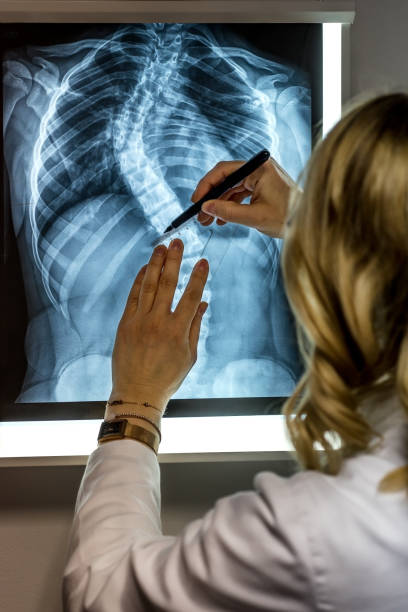
Spinal imaging: x-rays might be necessary periodically to measure the cobb angle.
Monitoring symptoms: Pain, mobility and changes in posture will be closely monitored and documented.
Growth assessment: Skeletal maturity will be monitored in younger patients.
Benefits of taking the observational approach
Many curves do not worsen over time therefore taking the observational approach can be the safest option. Other benefits of taking the observation approach:
- Avoids unnecessary procedures such as surgery and bracing
- Minimally invasive
- Timely intervention is necessary
- NHS resource optimizations
Common concerns and how to tackle the uncertainty
While this is an evidence based approach to scoliosis, many patients find it difficult to come to terms with as it comes with uncertainty. It can also be difficult to get appointments within the recommended time frames. However, there are ways to support yourself during the observation period:
Stay informed: Understanding your condition can help to reduce anxiety and enables you to make more informed decisions.
Engage in low impact physical activity: strengthening your core and improving overall flexibility and mobility can help to manage your posture and muscular imbalances

Keep track of your symptoms: Keeping a log of your symptoms can be really useful and will help to make the most of your appointments/check ups.
Reach out for support: If you are feeling unsure, patient advocacy groups such as Scoliosis Support and Research UK can provide guidance and community
FAQs
How long can someone stay under observation for scoliosis?
This varies depending on age, growth, and curve behaviour. Some patients may only be monitored for a year or two, while others, particularly younger patients who are still growing, may be observed over several years to ensure the curve remains stable.
How is curve progression measured during observation?
Progression is typically measured using the Cobb angle on X-rays. A change of around 5 degrees or more between appointments is often considered significant and may influence the next steps in treatment.
Is repeated X-ray imaging safe?
While X-rays do involve small amounts of radiation, they are used carefully and only when necessary. Modern techniques aim to minimise exposure, and the benefits of monitoring spinal changes generally outweigh the risks.
What happens if my curve progresses while being monitored?
If there is clear progression, your healthcare provider will discuss the next appropriate step. This may include bracing, scoliosis-specific exercises, or, in more advanced cases, surgical consultation.
In conclusion…
The observation approach is a safe and effective first step when treating Scoliosis. It reflects the careful balance between intervention and caution. If you do still have concerns and want to tackle your scoliosis in the early stages by reducing likelihood of progression, Scoliosis SOS can help. Book your initial consultation today to find out more about our ScolioGold approach to scoliosis specific physiotherapy.
📞 02074884428
🌐 www.scoliosissos.com
📷 @scoliosissosclinic
📧 enquiries@scoliosissos.com
📍 63 Mansell Street, London, E1 8AN (headquarters)