4.9 Out of 5 based on 875 reviews

Scoliosis and the Musculoskeletal System
Scoliosis is a 3D condition where the spine curves to one side and rotates in that same direction. Alongside exercise-based treatment, hands-on therapies are often used to help manage symptoms such as pain, tightness or discomfort. In this blog, we will discuss some of the manual therapy techniques commonly used and what they involve.
How Manual Therapy Fits In
Manual therapy doesn’t aim to “straighten” the spine, but it can play a useful role in making the body feel more comfortable and move more freely. People with scoliosis often experience muscle tension due to the 3D aspect of the scoliosis and the rotation that causes uneven muscle tension, with some muscle areas working harder than others. Hands-on techniques can help ease this imbalance and support the work being done through rehabilitation exercises, such as those used in the ScolioGold Method.
Massage and Myofascial Release
Massage is one of the most familiar approaches of relieving muscle television. Techniques such as effleurage (long, flowing strokes through the muscle belly) are often used at the start of a treatment session to relax the muscles and stimulate blood flow. Petrissage, which involves kneading and lifting the muscles, can help to work a bit deeper to release tension.
Myofascial release (MFR) is slightly different, focusing in the connective tissue around the muscles. By applying slow, sustained pressure, therapists will aim to reduce tightness and improve how the tissue moves. Some practitioners will use additional tools such as arnica oils, which is often chosen for its soothing properties especially when muscles feel sore or fatigued.
Trigger Point Therapy
Trigger Points are small, tight areas within a muscle that can feel tender or refer pain elsewhere. With scoliosis, these can develop where muscles are overworked. Applying direct pressure to these sports for a prolonged period under medium-high pressure may help them relax and alleviate the tension in these muscle groups, assisting in making movement easier and less restricted.
Dry Needling
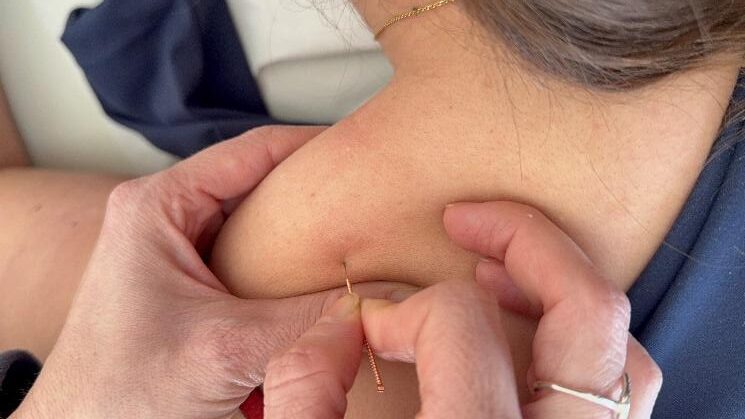
Dry Needling is another way of targeting tight muscle areas. Fine needles are inserted into muscle bellies that find trigger points to encourage the muscle to release. It’s usually a quick technique and, when carried out by a trained practitioner, generally well tolerated.
Cupping Therapy
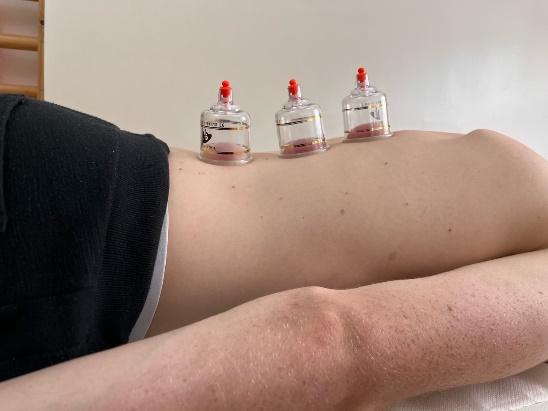
Cupping uses suction cups placed on the skin to gently lift the tissue underneath. This can help to increase circulation and may also reduce the feeling of tightness that can present along the paraspinal muscles. It can often leave temporary marks on the skin which is a completely normal response.
Assisted Stretching and Joint Mobilisations
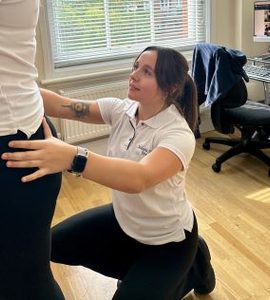
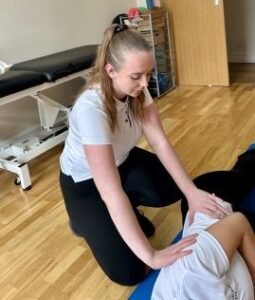
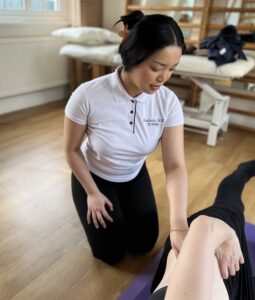
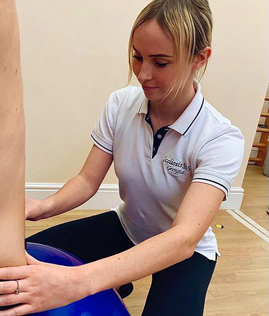
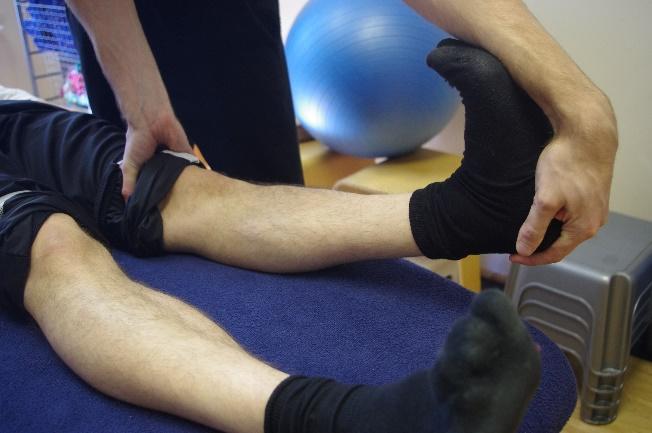
It can sometimes be difficult to stretch certain areas effectively on your own. Assisted stretching and joint mobilisations can allow practitioners to guide the body through movements in a controlled way, which can help to improve flexibility. Joint mobilisations are small, gentle movements that are applied to the joints to help reduce stiffness and encourage smoother motion.
FAQs
Will manual therapy reduce my spinal curve?
Manual therapy isn’t designed to change the curve itself, but it may help to manage symptoms such as tightness and discomfort.
Does treatment hurt?
Most techniques are designed to be comfortable, though some areas may feel tender if they are particularly tight.
How does this fit with other treatments?
Manual therapy is often used alongside other exercise-based approaches rather than on its own, to support overall outcomes.
Summary and Next Steps
Manual therapy can be a helpful way to ease tension and improve movement in people with scoliosis. It may be particularly useful for those experiencing stiffness or muscle imbalance alongside their condition. If you’d like to explore how this could fit into your treatment plan, you can book an Initial Consultation.
📞 02074884428
🌐 www.scoliosissos.com
📷 @scoliosissosclinic
📧 enquiries@scoliosissos.com
📍 63 Mansell Street, London, E1 8AN (headquarters)