4.9 Out of 5 based on 875 reviews

If you’ve noticed that your waist appears less defined, straighter than usual, or uneven from side to side, it’s important to remember that you are not alone. This change is often most noticeable in fitted clothing or when looking in the mirror. While posture can sometimes play a role, changes in the shape and position of the lower spine may also be a contributing factor.
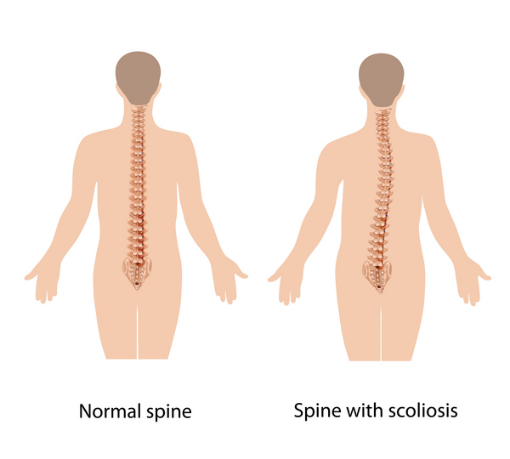
The lumbar spine (lower back) naturally has a gentle inward curve, known as lordosis, which creates the visible indentation of the lower back. However, if the spine starts to curve sideways, it can start to alter the presentation of the torso. Rather than collapsing into a single point, sometimes when the spine moves slightly to one side, it redistributes the shape of the waist and makes it appear flatter or less contoured on one side.
This type of shift is associated with scoliosis, where the spine curves and rotates. As the spine changes position, the surrounding muscles and soft tissues adapt, influencing the external shape of the body. These changes don’t always cause discomfort, which is why they are often first noticed visually, particularly during growth or changes in activity levels.
While not all waist asymmetry is structural, a persistent straightening on one side, or imbalance is worth assessing. Early evaluation can help determine the cause and guide appropriate next steps, whether that’s reassurance, monitoring, or non-surgical treatment.
FAQs
Why does scoliosis affect waist shape?
When the spine deviates laterally, the surrounding strictures shift with it. So, when the lumbar spine curves to one side, it will appear to ‘fill out’ the waist on that side as the internal musculature and structures shift alongside the spine.
Is a straight waist always caused by scoliosis?
No. It may be related to posture, muscle imbalance, or body composition. However, persistent or progressive changes should be assessed.
Can a straight waist be improved?
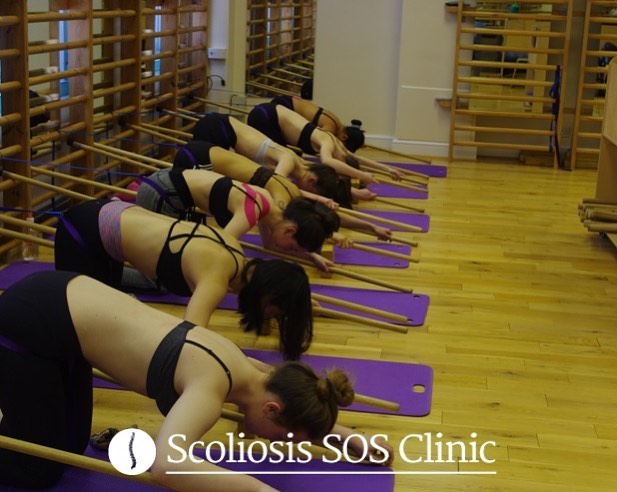
Yes, in many cases. Physiotherapeutic scoliosis-specific exercises can help improve spinal alignment and overall symmetry.
What other non-surgical options are there for scoliosis?
Bracing is another popular option, specifically amongst the young population, as it helps to guide the spines direction of growth during growth spurts. There are many kinds and providers available, including bespoke scoliosis bracing and specialist orthotic care from London Orthotic Consultancy (LOC).
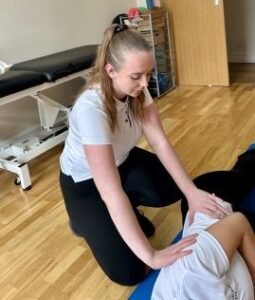
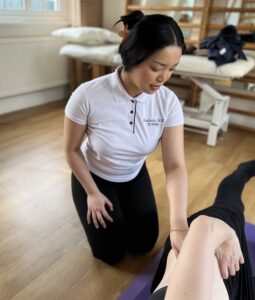
A combination of methods is a great way to support treatment goals, for example using an LOC Scoliosis Brace, complemented by tailored specialist physiotherapeutic care from Scoliosis SOS.
Getting Checked
If the change is noticeable, ongoing, or worsening, a professional assessment can provide clarity and reassurance. Book your initial consultation now to see how we can help you, and check out the outcomes from our non-surgical treatment options!
📞 02074884428
🌐 www.scoliosissos.com
📷 @scoliosissosclinic
📧 enquiries@scoliosissos.com
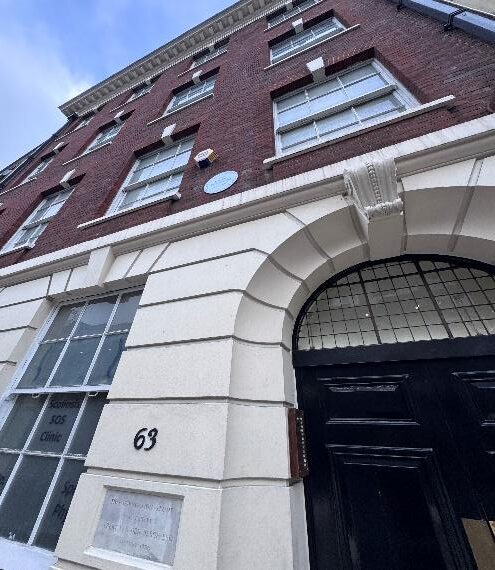
📍 63 Mansell Street, London, E1 8AN (headquarters)