Scoliosis SOS

Our Customers Say | Excellent     4.9 Out of 5 based on 875 reviews 


Why Is One Leg Longer Than the Other? Understanding the Causes and What It Means for Your Body

Why Is One Leg Longer Than the Other? Understanding the Causes and What It Means for Your Body

It’s surprisingly common to notice or be told that one leg appears longer than the other. This condition, known as a leg length discrepancy (LLD), might be confusing, and can range from mild and harmless to something that affects posture, movement, and overall musculoskeletal health.

What Causes a Leg Length Difference?

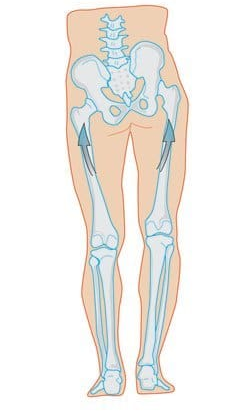
Leg length discrepancies generally fall into two categories: structural and functional.

  • Structural differences occur when the bones themselves are unequal in length. This can result from genetics, fractures, or growth plate injuries during childhood.
  • Functional differences are more common and often arise from imbalances in the body such as tight muscles, joint restrictions, or pelvic misalignment, making one leg appear longer than the other.

How It Can Affect Your Body

Even a small imbalance can influence how your body moves and compensates. Over time, this can lead to uneven weight distribution, altered gait, and thereby strains on muscles and joints. One of the key conditions that may arise from this is functional scoliosis, where the spine curves sideways in response to asymmetry in the lower body. Unlike structural scoliosis, this type is often reversible because it’s driven by external factors as opposed to permanent spinal changes.

Signs You Shouldn’t Ignore

You might not immediately identify a leg length difference, but common signs include:

  • Lower back pain or stiffness
  • Hip or knee discomfort on one side
  • Uneven shoulders or hips
  • Shoes wearing down unevenly

Recognizing these early can help prevent consequential issues.

FAQs

How common is leg length discrepancy?

Leg length discrepancies are very common – most people have a slight difference, but only larger or functional differences tend to cause symptoms.  Estimates suggest that up to 90% of the general population has some degree of leg length difference, though most inequalities are small (<10 mm) and asymptomatic.

Yes, in many cases functional scoliosis can be ‘reversed’. Since it’s caused by external imbalances, like leg length discrepancies, correcting those can reduce or eliminate the spinal curve.

Most cases, especially functional ones, respond well to conservative treatments. Targeted exercises to correct muscle imbalances, manual therapy to improve joint alignment, and postural retraining to adapt functionally are common treatment methods for this condition. In a lot of cases, orthotics might also be necessary, such as a heel lift to elevate the heel and even out potential asymmetries.

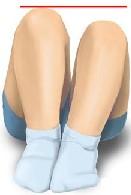
A quick test you can do at home to differentiate between a functional or structural leg length difference is the Galeazzi test. Lie flat on your back and bend your knees with your feet flat on the floor touching your bottom at the same level. Have somebody check you knee height. If there is one knee higher than the other, this is likely a structural leg length difference due to difference in bone length.

Seeking a solution?

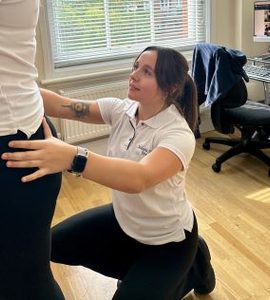
If you suspect a leg length discrepancy or have been experiencing persistent aches and posture changes as a result of this, it’s worth getting assessed. Professional assessment can identify whether your leg length difference is structural or functional and guide the right treatment. Similarly, a specialist physiotherapy clinic can provide a tailored plan not just to relieve discomfort, but to correct the underlying issue, helping you move better and prevent progression into functional scoliosis. Contact us to find out more or book an initial consultation to speak face to face with one of our expert practitioners.

📞 02074884428
🌐 www.scoliosissos.com
📷 @scoliosissosclinic
📧 enquiries@scoliosissos.com
📍 63 Mansell Street, London, E1 8AN (headquarters)