4.9 Out of 5 based on 875 reviews

How Scoliosis Affect’s Older Adults
Although scoliosis is commonly diagnosed during adolescence (80% of cases), it can affect individuals at any age and often presents greater challenges in older adults. Some individuals may have been diagnosed earlier in life and notice curvature progression with age, whilst others may develop degenerative scoliosis later, due to conditions such as osteoporosis and arthritis. This blog aims to provide education and support on managing the effects of scoliosis later in life.
Pain
Pain is unfortunately a common symptom of scoliosis, though it isn’t always caused by the curve itself. The curvature creates muscular imbalances which can lead to muscular strain, joint stiffness, and nerve irritation. It is important to note that pain isn’t linear with curvature size; people with small curves may experience a lot of pain, whereas people with large curves may not experience any pain at all. Pain commonly occurs around the site of the curvature, but you may experience pain in other areas because of overstretched muscles and postural imbalances including:
- The shoulder and neck region
- The ribs
- The hips
- The legs

It is vital to tackle and manage pain when it first begins, because although it is a physiological factor, when prolonged, it can have significant effects on other factors such as quality and quantity of sleep, as well as mental health.
What Options Exist for Managing Scoliotic Pain?
- Strengthening: As briefed above, muscle imbalances and weaknesses can often cause pain in individuals with scoliosis, so strengthening these will help to relieve tension on the opposing muscles, therefore reducing pain.
- Movement: Keeping the spine mobilised and active can help prevent or relieve tension.
- Injections: If you have a co-existing condition like a disc bulge or spinal stenosis, injections such as steroid injections, facet joint injections or nerve blocks may be offered to target more localised pain.
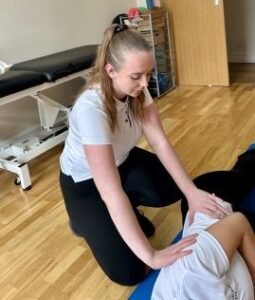
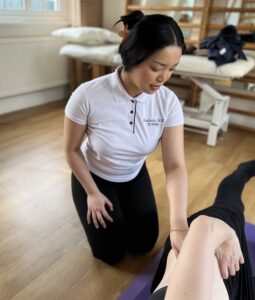
- Manual Therapy: Therapeutic approaches can reduce pain in different ways, such as massage which helps stimulate blood flow to a muscle, thus helping to reduce tightness, or dry needling which triggers a twitch response in the muscles, encouraging them to relax.
Balance & Mobility Issues
In older adults, scoliosis can significantly affect balance and mobility due to alterations in spinal alignment and muscle function. The curvature and rotation of the spine lead to a shift in the body’s centre of gravity, which makes it harder to maintain a central posture, leading to a reduction in balance and stable movement. This further leads to uneven muscle strength, joint stiffness and compensatory movements, reducing walking efficiency and increasing the risk of falls. When scoliosis is combined with age related degeneration, these effects can further limit confidence and therefore independence in daily activities.
How do I Overcome these Challenges?
- Targeted Exercise and Physiotherapy: Following an exercise programme adapted to your individual curve type and functional ability can contribute towards counteracting the effects of altered spinal alignment. It is important to focus on a variety of training techniques, focusing on different factors such as: postural training, core strengthening, balance exercises, flexibility and gait training.
- Strengthening Weak Muscles: As well as reducing pain, addressing muscle imbalances helps to restore functional balance and therefore reduces compensatory movement patterns.
- Use of Assistive Devices: Use of walking aids such as a stick or walker will help to enhance stability, not physically but also mentally. Supportive footwear or adapted insoles can support your feet whilst walking, therefore increasing overall balance whilst being active.
How Scoliosis SOS Can Help
Here at Scoliosis SOS, we understand that managing scoliosis later in life is about much more than solely focusing on the curve itself. Pain and balance difficulties can significantly impact an individual’s confidence, independence and overall quality of life. Our clinic specialises in supporting individuals of any age with scoliosis through individualised, evidence-based care which is designed to overcome those challenges.
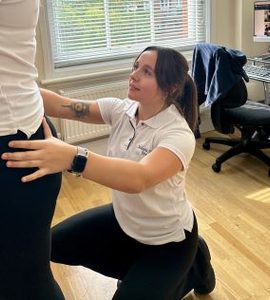
Our clinic offers bespoke physiotherapy programmes, as well as hands-on therapy which is tailored to your specific curve type, physical ability and lifestyle. These programmes focus a variety of aspects to help improve your quality of life and overcome challenges related to pain and balance, including; strengthening weakened muscles, correcting posture, spinal mobility and balance training. Importantly, our clinic is also passionate about taking the time to educate and empower you, ensuring you understand everything about your condition and things that can be done to improve it.
At Scoliosis SOS, we are committed to helping you move better, feel stronger and live well at every stage of life. If you would like to hear more about our clinic or speak to a member of staff, please contact us using the details below!
📞 02074884428
🌐 www.scoliosissos.com
📷 @scoliosissosclinic
📧 enquiries@scoliosissos.com📍 63 Mansell Street, London, E1 8AN (headquarters)