4.9 Out of 5 based on 875 reviews

Scoliosis is a condition that can affect teenagers, often appearing during the growth spurts that occur between the ages of 10 and 15. Although it can seem like a daunting diagnosis, understanding the causes, symptoms, and treatment options can help alleviate fears and lead to effective management. Specialised scoliosis physiotherapy, in particular, plays a significant role in improving posture, addressing muscle imbalances, and enhancing overall spinal health.
In this blog post, we’ll explore the causes and symptoms of scoliosis in teenagers, the importance of early screening and examination, available treatment options, and how specialised scoliosis physiotherapy can significantly improve posture and muscle imbalances.

What Causes Scoliosis in Teenagers?
Scoliosis is an abnormal curvature of the spine that deviates to the side, often forming a “C” or “S” shape. In teenagers, the most common form of scoliosis is idiopathic scoliosis, which means the cause is unknown. However, there are several potential factors that may contribute to its development:
- Genetics: Scoliosis tends to run in families, suggesting that genetics may play a role. If a close family member, like a parent or sibling, has scoliosis, the likelihood of a teenager developing the condition is higher.
- Growth Spurts: Scoliosis is often detected during the rapid growth phase that occurs in early adolescence. This is why many cases are diagnosed between the ages of 10 and 15, as the spine may curve more during periods of rapid growth.
- Neuromuscular Disorders: In some cases, scoliosis may develop due to neuromuscular conditions such as cerebral palsy or muscular dystrophy, where muscle weakness or imbalances lead to spinal deformities.
- Congenital Scoliosis: This rare form of scoliosis occurs due to abnormalities in the vertebrae that are present from birth. These abnormalities can cause the spine to curve abnormally as the child grows.
- Other Conditions: Although rare, scoliosis may be associated with conditions like spinal injuries, infections, or tumours, which can also impact spinal alignment.

Symptoms of Scoliosis in Teenagers
In many cases, scoliosis develops without pain and might not be immediately noticeable. However, there are several key symptoms to look for:
- Uneven Shoulders: One shoulder may appear higher than the other.
- Asymmetrical Waistline: One side of the waist may appear more prominent or uneven.
- Rib Hump: A noticeable curve in the back, particularly when bending forward, causing the ribs on one side to protrude more than the other.
- Leaning to One Side: Teenagers with scoliosis may unconsciously lean to one side when standing or sitting.
- Back Pain: Although not all cases cause pain, some teenagers may experience discomfort, especially in more severe curves.

Screening and Examination for Scoliosis
The early detection of scoliosis is crucial for effective treatment, and screening is an essential part of this process. In the UK, many schools conduct routine scoliosis screenings, but it’s always beneficial to be aware of the signs at home as well. Here’s what you can expect during a scoliosis screening and examination:
- Physical Examination: During a routine screening, a healthcare professional will assess posture, shoulder height, waist asymmetry, and rib prominence. The Adam’s Forward Bend Test is commonly used to observe the curvature in the spine when the person bends forward. This test helps detect any noticeable curvature in the back or rib cage.
- X-rays: If scoliosis is suspected, the doctor will usually order an X-ray to evaluate the degree of curvature. The degree of curvature is measured using the Cobb angle — the larger the angle, the more severe the scoliosis. X-rays also help track the progression of the condition over time.
- Regular Monitoring: For mild cases (usually curves less than 20 degrees), the doctor may recommend regular follow-up appointments to monitor the condition and check for any progression in the curvature.
Treatment for Scoliosis in Teenagers
The treatment for scoliosis depends on several factors, including the degree of curvature, the teenager’s age, and whether the curve is expected to worsen as the child grows. The primary treatment options include:
- Observation: For mild scoliosis (curves less than 20 degrees), treatment may involve simple observation. The doctor may recommend regular check-ups to monitor any changes in the curve. If no significant progression is seen, no further intervention may be necessary.
- Bracing: If the curve is between 20 and 45 degrees and the teenager is still growing, a brace is often recommended. The goal of bracing is to prevent the curve from worsening, though it does not straighten the spine. The brace must be worn consistently, typically until the teen’s growth plates close (usually around ages 15 to 16).
- Surgery: For more severe scoliosis (curves greater than 45 to 50 degrees), surgery may be necessary. The most common surgical procedure for scoliosis is spinal fusion, which involves fusing the vertebrae together using rods, screws, and bone grafts to prevent further curvature. Surgery is generally reserved for cases where the curvature is severe, progressing, or causing pain or functional issues.
- Physical Therapy: Along with bracing or surgery, specialised scoliosis physiotherapy can be an important part of the treatment plan. Physical therapy focuses on improving posture, strengthening muscles, and correcting muscle imbalances caused by scoliosis.

The Role of Specialised Scoliosis Physiotherapy
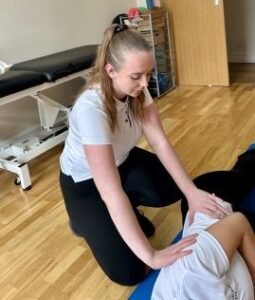
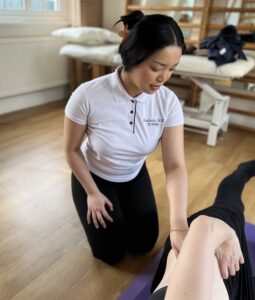
Scoliosis physiotherapy is a specialised form of therapy that focuses on addressing the specific needs of individuals with scoliosis. For teenagers with scoliosis, physiotherapy offers several key benefits:
- Improving Posture: A primary goal of physiotherapy for scoliosis is to improve posture. Physiotherapists use targeted exercises to help correct misalignments in the spine and re-educate the body to maintain a balanced posture.
- Muscle Strengthening: Scoliosis can lead to muscle imbalances, where one side of the body becomes stronger than the other. Physiotherapists work to strengthen the weaker muscles and stretch the overactive ones, helping to rebalance the body and improve spinal stability.
- Reducing Pain and Discomfort: While scoliosis doesn’t always cause pain, some teens may experience discomfort, especially in more severe cases. Physiotherapy can help alleviate pain through manual therapy, stretches, and strengthening exercises, which can provide relief and improve overall function.
- Preventing Progression: Physiotherapy can be particularly effective in preventing the progression of scoliosis, especially in mild to moderate cases. By improving posture, strengthening the muscles around the spine, and encouraging proper body alignment, physiotherapy can help slow or stop the curve from worsening.
- Boosting Confidence: For teenagers, scoliosis can impact body image and self-esteem. Physiotherapy helps improve physical appearance through better posture and alignment, which can have a positive impact on a teen’s confidence and well-being.
Conclusion
Scoliosis in teenagers is a condition that requires early detection, careful monitoring, and, when necessary, intervention. Understanding the causes, recognising the symptoms, and participating in regular screenings can help ensure early diagnosis and treatment. Whether through observation, bracing, surgery, or specialised scoliosis physiotherapy, the prognosis for teenagers with scoliosis is generally very positive with the right treatment plan.
Specialised scoliosis physiotherapy plays a crucial role in improving posture, addressing muscle imbalances, and supporting overall spinal health. It can help prevent further curvature, reduce pain, and enhance a teenager’s quality of life. If you suspect your teenager may have scoliosis, consulting with a healthcare professional and exploring physiotherapy options is a great place to start on the road to effective management and recovery. Get in contact with our scoliosis care team to discuss your teenage scoliosis.