4.9 Out of 5 based on 875 reviews

What is De Novo scoliosis?
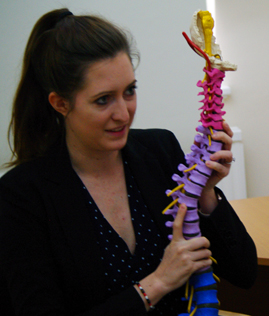
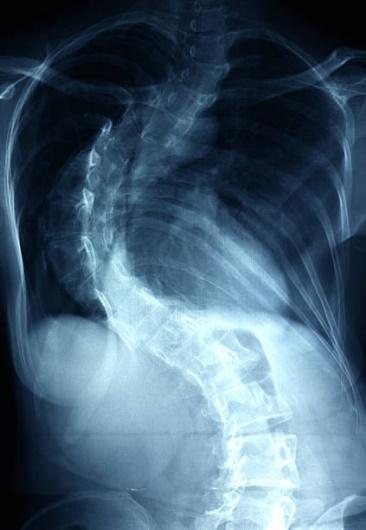
De Novo Scoliosis, also known as Adult Degenerative scoliosis, is a condition whereby ‘C’ or ‘S’ shaped spinal curves develop in later life. This is usually caused through changes taking place in the body as you age. Some of these changes could include general wear and tear, or even factors such as muscle imbalances, or general bone density loss. This article will explain what Adult Degenerative scoliosis is alongside the causes, symptoms and how to best manage it.

Causes
Not everyone will develop De Novo scoliosis. This condition is usually down to underlying factors within the body such as arthritis, disc degeneration, osteoporosis, and even hormonal changes. Of course, genetics also have a major part to play in this. As people age, the natural ability for the spinal discs to absorb shock reduces. This is down to reduced moisture and nutrients within the disc, subsequently thinning the disc. Living a sedentary life with little movement and mobility can increase these chances due to weakened muscles (within your core and back) which support the spine, promoting imbalances around the body.
Symptoms
The symptoms of De Novo scoliosis vary from person to person, however, it’s not always easy to recognise these symptoms. Some people may not even realise they have a curvature without others noticing some asymmetries within their posture that might be visible. For others, pain and stiffness within the back can be an indicator. Often people are able to see changes in their posture such as uneven shoulders and hips, or even leaning to one side when they believe to be standing upright.
Diagnosis
The best way to get a diagnosis on De Novo scoliosis is through an X-Ray which clearly shows if there are any abnormalities within the spine. This also allows for specialists, such as Scoliosis SOS, to then treat the condition with precision and care to maximise the benefits of our treatment. It is possible to diagnose without an X-Ray in some cases, but in order to measure the cobb angle to determine the severity, an X-Ray would be required.
FAQs
Can De Novo scoliosis get worse over time?
Yes, De Novo scoliosis can progress gradually overtime. This can be helped through regular monitoring and various different treatment options.
What treatment is available?
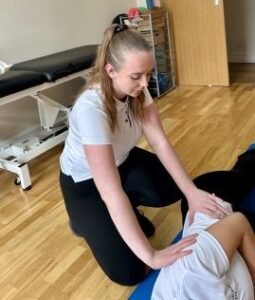
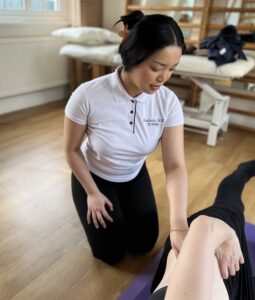
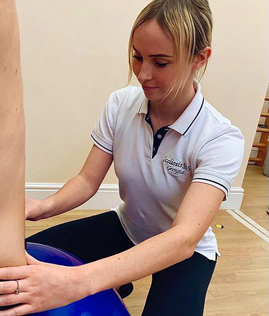
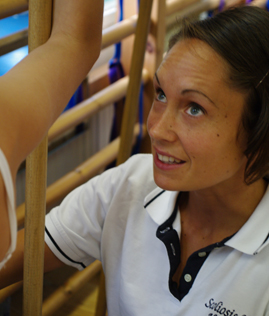
This is dependent on the severity of the scoliosis. Treatment can vary from exercise therapy to pain relief injections to surgery (in more severe cases). At Scoliosis SOS our distinct exercise therapy program has helped many people achieve the conservative treatment outcome they desire without invasive techniques.
Am I too old to take part in exercise therapy?
No, at Scoliosis SOS we see a wide variety of ages come through the clinic and achieve their goals. You can build and strengthen muscles at any age, our tailored programs are specific to you. All you will need is a little motivation!
What happens after treatment?
We provide you with all the tools needed for you to manage your own condition without us, we also track your progress once treatment has finished with check-up appointments to make sure you’re on the right route. Just remember, that continued compliance to strengthening and rehabilitation is pertinent to continued treatment outcomes!
Final Thoughts
De Novo scoliosis is a condition whereby the spine changes with age. This can produce pain, stiffness and an uncomfortable day to day life. However, this is manageable with the right treatment and lifestyle choices. At Scoliosis SOS, our tailored and scientifically backed exercise therapy is a surgery free approach to managing your condition, with you in mind. Contact us to find out more about how we can help you!
📞 02074884428
🌐 www.scoliosissos.com
📷 @scoliosissosclinic
📧 enquiries@scoliosissos.com
📍 63 Mansell Street, London, E1 8AN (headquarters)