4.9 Out of 5 based on 875 reviews

Scoliosis is often more than just a spinal curve—many individuals also experience some type of pain, which can significantly impact their daily lives. Whether it’s discomfort in the back, hips, or even between the shoulder blades, managing pain is a critical part of scoliosis treatment. If you’re looking for effective strategies for pain relief, you’re not alone. In this post, we’ll discuss various pain management options for those with scoliosis, and share some insights from our own ongoing research.

The Link Between Scoliosis and Chronic Pain
As discussed in previous blog posts, scoliosis is a condition where the spine curves laterally and also rotates, leading to structural imbalances in the musculature that can cause pain. In the case of scoliosis, the natural coordination between muscles is disrupted due to the curvature or rotation of the spine. This misalignment alters the direction of the muscle fibres, causing them to work in a less balanced way. As a result, the muscles must compensate for the spinal distortion, which can lead to uneven muscle tension and strain in certain areas. This can also lead to nerve irritation and inflammation of the muscles in the affected areas. Pain associated with scoliosis is often felt in the lower back, but it can also affect the shoulders, hips, and even the neck.
Many individuals with scoliosis also struggle with secondary conditions, such as sacroiliac joint (SIJ) dysfunction or pelvic misalignment, which can further complicate pain management. If you’re experiencing pain that you think might be related to scoliosis, it’s essential to work with a healthcare provider who understands the complexities of the condition.

Pain Relief Options for Scoliosis
Managing pain effectively requires a multi-faceted approach. Here are some options you might consider:
1. Exercise-Based
Exercise based physiotherapy specific scoliosis exercises, or PSSE, is one of the most common methods of managing pain and improving mobility in those with scoliosis. A therapist can help with stretching, strengthening, and posture correction to alleviate strain on your muscles and joints. Specific exercises tailored to your spinal curve can also help improve alignment, reduce muscle spasms, and potentially lessen pain. Our ScolioGold therapy programme is tailored to each individual patient’s condition and symptoms, meaning that we can often get to resolving the root cause of muscular-related pain by targeting specific muscle groups effected by the condition.
2. Massage Therapy
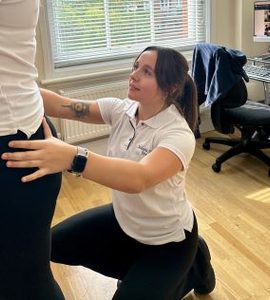
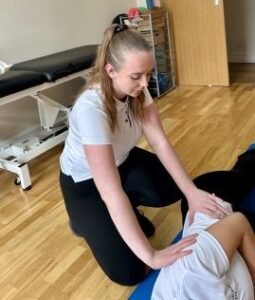
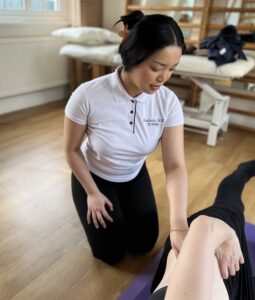
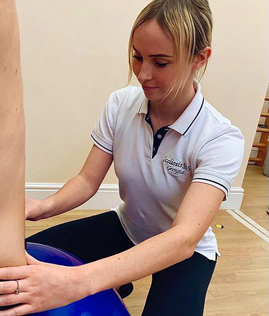
Massage therapy can be incredibly effective in relaxing tight muscles, improving circulation, and easing pain in areas like the lower back, shoulders, and hips. A skilled massage therapist can target the areas that are most affected by scoliosis, providing temporary relief from muscle tension and discomfort, which in turn will help with mobilising and strengthening these muscles with the PSSE exercises. All our therapists at Scoliosis SOS Clinic are trained extensively in manual therapy techniques, such as massage therapy, trigger-point therapy and dry needling.
3. Bracing
While bracing is commonly associated with scoliosis treatment in younger patients, adults with scoliosis may also benefit from wearing a brace, particularly if pain is related to postural imbalances or spinal instability. A well-fitted brace can provide support, reduce pressure on the spine, and alleviate discomfort during daily activities. At Scoliosis SOS, we work with a number of orthotists to ensure that any bracing programmes are fully supported by a specific exercise plan to ensure long-lasting results from treatment, even after brace-weaning.
4. Surgical Options
Surgery is typically reserved for severe cases of scoliosis that cause significant pain or disability. Procedures such as spinal fusion or decompression surgery may be considered when other treatments haven’t provided adequate relief. However, surgery comes with risks, and it’s essential to discuss these thoroughly with your healthcare team before making a decision. We have helped patients pre- and post-surgery to avoid future progression and get the best results. See some of the results we have achieved with our post-surgery patients.
5. Education
Education can play a significant role in managing scoliosis pain, even if it’s not about hands-on treatments or exercises. By understanding how scoliosis affects the body, people can make better choices to ease their discomfort. Learning about posture, movement habits, and how everyday activities—like sitting for long periods or using technology—can put extra strain on the spine helps individuals recognise what might be making their pain worse. While this approach isn’t physical, it gives people the knowledge to adjust their daily routines and reduce unnecessary pressure on their spine, leading to less pain and an improved quality of life. Alongside all our treatment programmes, we offer ergonomic assessments and a fully programme of education talks to patients, so that they can fully appreciate the impact scoliosis might be having on their bodies, as well as steps they can take to reduce symptoms and/or progression.

Research Insights: Understanding Scoliosis Pain
In our ongoing research into scoliosis pain, we’ve discovered that pain management is not one-size-fits-all. Everyone experiences scoliosis differently, and this can influence how pain manifests and how it should be treated. We’re dedicated to understanding these differences and developing better ways to manage pain through innovative treatments and interventions.
Our research on scoliosis pain treatment has shown promising results, highlighting the importance of a personalised approach. You can learn more about our findings and how they might benefit you by reviewing our scoliosis pain treatment results or checking out our detailed pain research document.

Living with Scoliosis Pain
While living with scoliosis pain can be challenging, it’s important to remember that you don’t have to suffer in silence. With the right combination of treatments, lifestyle changes, and support, it’s possible to manage pain and improve quality of life.
If you’re currently dealing with chronic pain related to scoliosis, it might be time to consult with a specialist who can guide you through the available options. Whether you opt for exercise therapy, massage therapy, or more advanced treatments, the key is finding the right approach for your unique situation.
Did you find this helpful? Feel free to reach out and chat to one of our patient care specialists or leave a comment below if you have questions or want more information on scoliosis pain management. We’re here to help!
📞 02074884428
🌐 www.scoliosissos.com
📷 @scoliosissosclinic
📧 enquiries@scoliosissos.com
📍 63 Mansell Street, London, E1 8AN (headquarters)