4.9 Out of 5 based on 875 reviews


Pregnancy is a joyful and transformative time, but for women with scoliosis, it can come with extra concerns. Many expectant mothers wonder whether pregnancy might worsen their scoliosis and what steps they can take to protect their spine. In this blog, we’ll explore how pregnancy can influence scoliosis and why it’s crucial to work with scoliosis specialists, such as those at the Scoliosis SOS Clinic, to complete Physiotherapeutic Scoliosis Specific Exercises (PSSE).
How Pregnancy Can Influence Scoliosis
Hormonal Changes and Ligament Softening

During pregnancy, the body produces many hormones – one of these hormones is called “relaxin”, which is released in order to prepare the body for childbirth by softening the ligaments. This increased flexibility can lead to greater joint mobility, which might allow scoliosis curves to worsen in some women.
Weight Gain and Postural Changes
The additional weight and shift in centre of gravity during pregnancy place new stresses on the spine. Research published in the European Spine Journal (2015) found that women with moderate to severe scoliosis (curves over 30 degrees) may experience a slight increase in curve progression during pregnancy (Betz et al. 1987).

Core Strength and Muscle Imbalances
Pregnancy can weaken the core muscles, reducing support for the spine. For those living with scoliosis, a weaker core can make it harder to maintain good posture and spinal alignment.
Why It’s Important to Manage Scoliosis During Pregnancy
Early Intervention Helps Prevent Problems
Regular check-ups at a scoliosis clinic can help catch any signs of curve progression early. Working with scoliosis specialists ensures that suitable measures can be taken to protect spinal health throughout pregnancy.
Improving Comfort and Reducing Pain

Managing scoliosis during pregnancy helps to reduce the risk of back pain, breathing difficulties, and reduced mobility. Staying on top of these issues can make the pregnancy experience much more comfortable. We adapt the exercises to suit each stage of pregnancy, ensuring you continue to gain maximum benefit while supporting your baby’s healthy development.
Aiding Postpartum Recovery
Looking after your spine during pregnancy can make recovery after birth smoother and faster. A stronger, more balanced body will be better prepared for the physical demands of caring for a newborn.
How Physiotherapy Scoliosis-Specific Exercises (PSSE) Can Help
What is PSSE?
PSSE are exercises tailored specifically to an individual’s spinal curve and posture. Unlike general physiotherapy or fitness routines, they address the particular imbalances caused by scoliosis.
Research Supporting PSSE
A review in Scoliosis and Spinal Disorders (2018) showed that PSSE can help slow curve progression, improve posture, and reduce pain levels. These benefits are particularly valuable during pregnancy, when supporting spinal stability is essential. (Betz et al., 1987)
How the Scoliosis SOS Clinic Supports Pregnant Patients
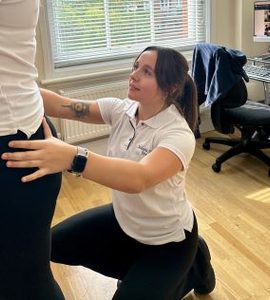
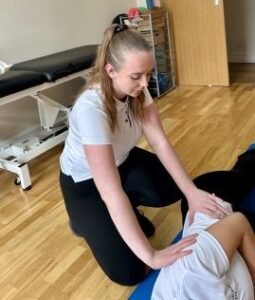
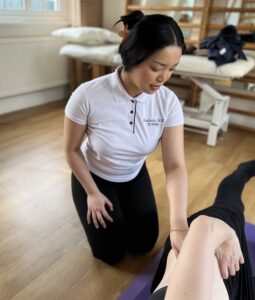
The Scoliosis SOS Clinic, a leading scoliosis clinic, is staffed by experienced scoliosis specialists who develop personalised treatment plans, including PSSE, for every patient. Pregnant women attending the Scoliosis SOS Clinic benefit from ongoing support and adjustments to their exercise programme as their pregnancy progresses.
Conclusion
Pregnancy can bring new challenges for those with scoliosis, but with careful management, these challenges can be effectively addressed. Regular visits to a scoliosis clinic and commitment to Physiotherapy Scoliosis-Specific Exercises (PSSE) under expert supervision are vital steps to maintaining spinal health.
If you’re pregnant or planning a family and have scoliosis, consider reaching out to the Scoliosis SOS Clinic. Their scoliosis specialists are ready to help you stay strong, supported, and healthy throughout your pregnancy and beyond.
📞 02074884428
🌐 www.scoliosissos.com
📷 @scoliosissosclinic
📧 enquiries@scoliosissos.com📍 63 Mansell Street, London, E1 8AN (headquarters)
References
Betz RR, Bunnell WP, Lambrecht-Mulier E, MacEwen GD. Scoliosis and pregnancy. J Bone Joint Surg Am. 1987 Jan;69(1):90-6. PMID: 2948962. Lippincott Journals +3