4.9 Out of 5 based on 875 reviews


Spinal muscular atrophy, often abbreviated to SMA, is a genetic disease which impacts the nerve cells connecting the brain and spinal cord to the body’s muscles. Due to deterioration of the link between these nerves and muscles, physical activity becomes progressively difficult, as the muscles begin to weaken and shrink.
While the cause remains the same in each type of SMA, different classifications of the disease exist, according to age, symptoms and mobility of the sufferer, which are classified as follows:
- Type I SMA – This is the most common and severe form of the disease, which manifests itself during the first six months of an infant’s life. In these cases, complications include severe muscle weakness, breathing problems and trouble swallowing. Due to the severity of type I SMA, also know as Werding-Hoffmann disease, sufferers rarely live past 2 years old.
- Type II SMA – This form of SMA is usually detected at a later stage than type I, usually between the ages of 7-18 months, and is often identified by failings to meet expected motor milestones. While type II does cause serious mobility issues, which will require the affected individuals to use a wheelchair, the majority of sufferers will enjoy long lives, without any additional impairments.
- Type III SMA – While this type is often diagnosed between the ages of 18 months and 3 years, it is possible that the condition will not be identified until the individual’s teenage years, depending on the extent of their ability to walk independently. As they grow, individuals with type III SMA, otherwise known as Kugelberg-Welander disease, may find that their mobility becomes increasingly limited as they age.
- Type IV SMA – This is the most rare form of SMA, which manifests itself during adulthood, usually in individuals aged 35 or more. In these cases, the disease progresses very gradually, leading to mild motor impairment.
How is This Connected to Scoliosis?
Due to the impact of the condition on the muscles supporting the spine, almost all children with SMA will develop scoliosis. The progression of the spinal curvature depends on the severity of the SMA, and is decreased in cases where the patient is able to walk. For the most active individuals, with only a mild form of SMA , scoliosis does not have a huge impact on their mobility levels, nor does it deteriorate substantially over time.
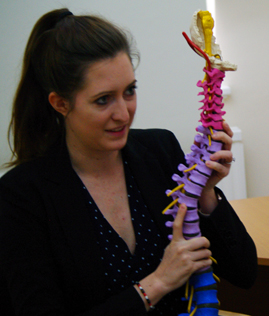
As well as scoliosis, which refers to the sideways curvature of the spine, patients with SMA may also experience other forms of spinal curvature, such as hyperkyphosis and hyperlordosis. These refer to the forward curvature of the spine, which affects the upper area in cases of hyperkyphosis, and the lower in cases of hyperlordosis.
Can Scoliosis SOS Help Patients With SMA?
Here at the Scoliosis SOS clinic, we have been treating scoliosis and related spinal conditions for over a decade, using a combination of proven, non-surgical methods to construct highly-specific treatment programmes for our patients. Thanks to our thorough consultation and evaluation process, we are able to provide carefully tailored advice and treatment, which is personally customised to fit the needs of each patient’s curvature and condition.
If you would like more information regarding treatment with Scoliosis SOS, and how this could help you manage the symptoms of your spinal condition, please get in touch with us today!