4.9 Out of 5 based on 875 reviews


If you have scoliosis and have also been diagnosed with osteoporosis or osteopenia, you may be wondering whether this would affect your treatment. Reduced bone density does not necessarily mean that scoliosis treatment is unsuitable, but it is an important factor to consider when planning an appropriate treatment programme.
What Should Be Considered When Treating Scoliosis with Osteoporosis?
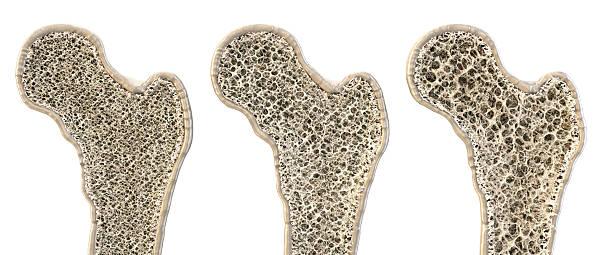
Osteoporosis causes bones to become weaker and more susceptible to fractures, while osteopenia describes bone density that is lower than normal but not low enough to be classified as osteoporosis. Both conditions must be diagnosed via a DEXA scan, with a T-score between -1.0 and -2.5 for osteopenia, or below -2.5 for osteoporosis.
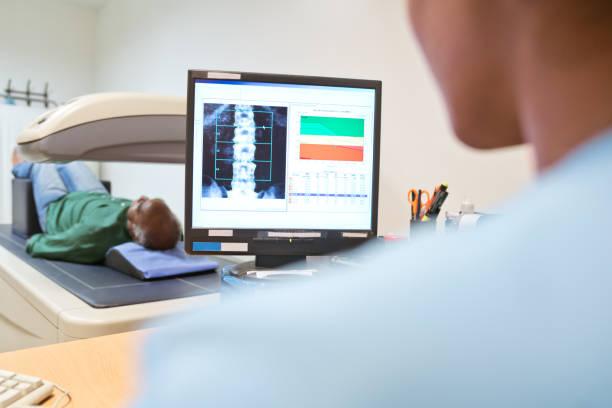
If you have scoliosis alongside osteoporosis or osteopenia, your bone health should be considered when deciding which exercises and treatment techniques are appropriate.
For example, if you have osteoporosis and have previously experienced a spinal fracture, certain movements may need to be modified or avoided. Scoliosis physiotherapy should still form an important part of managing scoliosis symptoms, but exercises should be selected according to your individual needs, bone health, and previous injuries.
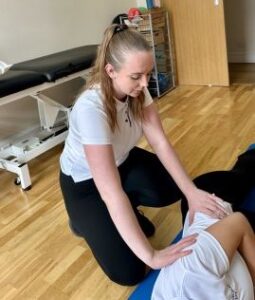
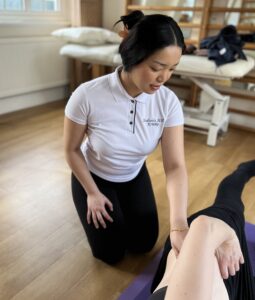
At Scoliosis SOS, treatment programmes are tailored to each patient. Your therapist can take your bone health into account when developing an exercise programme, including any diagnosis of osteoporosis or osteopenia. The ScolioGold Method combines scoliosis-specific exercises with non-surgical treatment techniques, which can be adapted to suit individual needs.
FAQ’s
Can you have scoliosis and osteoporosis at the same time?
Yes. Scoliosis and osteoporosis are separate conditions, but they can occur together. Osteoporosis can affect the spine because weakened vertebrae may be more susceptible to compression fractures.
Is scoliosis treatment safe if I have osteopenia?
Osteopenia does not automatically prevent someone from having scoliosis treatment. However, your bone health should be considered when choosing exercises and deciding how they should be progressed. More forceful techniques such as tractioning the joints or intense mobilisations may need to be avoided, and therefore replaced with more appropriate techniques.
Can scoliosis exercises help with bone strength?
Certain weight-bearing and strengthening exercises can help support overall bone health. However, the most suitable exercises will depend on your individual circumstances, particularly if you have a history of fractures.
Should I tell my physiotherapist if I have osteoporosis?
Yes. Let your physiotherapist know if you have osteoporosis or osteopenia, particularly if you have previously experienced a fracture. This allows your treatment programme to be planned with your bone health in mind.
How Can Scoliosis SOS Help?
If you have scoliosis alongside osteoporosis or osteopenia, an initial consultation can help you understand which non-surgical treatment options may be suitable for you. You can also find out more about the ScolioGold Method or explore our treatment results while researching your options.
📞 02074884428
🌐 www.scoliosissos.com
📷 @scoliosissosclinic
📧 enquiries@scoliosissos.com
📍 63 Mansell Street, London, E1 8AN (headquarters)