4.9 Out of 5 based on 875 reviews

The most common time for a person to develop scoliosis is during their teenage years. However, many forms of mild scoliosis during adolescence can go undetected until adulthood, when the condition may start / continue to progress and cause larger visible asymmetries or back pain. It’s entirely possible for scoliosis to develop later in life too.
Scoliosis that develops during adulthood is known as adult degenerative scoliosis (ADS). There are two forms of ADS:
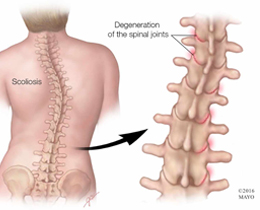
Degenerative Scoliosis
Scoliosis in adulthood can present itself as degenerative scoliosis, which is a result of spinal degeneration/osteoarthritis of the spine/spondylosis. This type of adult scoliosis is age-related and associated with the breakdown of the spine due to injuries, trauma, repetitive activities, and wear and tear.
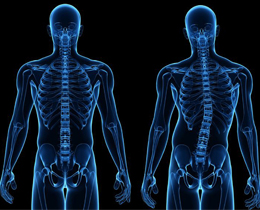
De Novo Scoliosis
De novo scoliosis refers to scoliosis that appears in patients with no previous history of scoliosis. This is a result of the natural degeneration of the spine due to age. As a type of adult scoliosis, de novo scoliosis is rarely found in adults under the age of 40.
What causes scoliosis in adults?
Degenerative Scoliosis
De Novo Scoliosis
What are the symptoms of adult scoliosis?
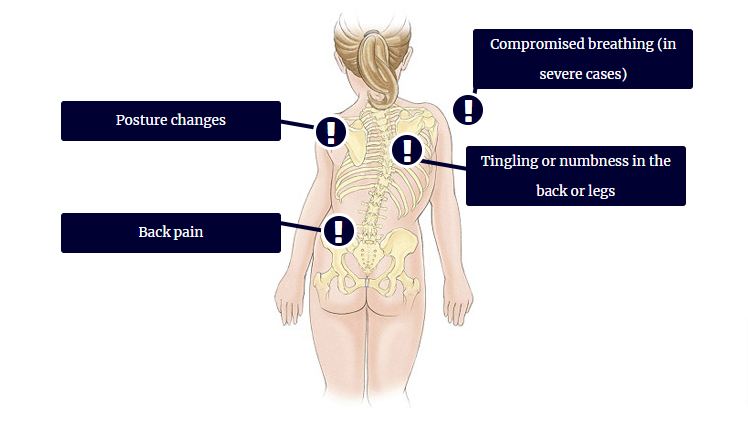
Scoliosis symptoms in adults can include:
- Posture changes
- Visibly curved spine
- Compromised breathing
- Uneven shoulders, hips
- Tingling or numbness in the back or legs
- Back pain
Scoliosis development in adults can happen over time, meaning that physical signs and symptoms of scoliosis are not always obvious until they have worsened.
Diagnosing scoliosis in adults
Diagnosing scoliosis in adults can involve a number of steps. You will first need a consultation with a doctor who will ask about your medical history and examine your body for any physical symptoms. This might include performing the Adams Forward Bending Test which allows the doctor to see whether one side of your body is more raised than the other.
An X-ray will be taken to confirm the diagnosis and measure the degree of the curve. Other tests, like MRI and CT scans might also be recommended to rule out other underlying conditions.
Scoliosis treatment for adults
The treatment options for adults, particularly elderly people, differ somewhat from the options available for children or teenagers. Nonetheless, there are still a range of different ways scoliosis in adults can be treated.
Painkillers and anti-inflammatories
For adults with mild scoliosis, or for patients who are not physically healthy enough to undergo spinal fusion surgery, doctors may prescribe painkillers and anti-inflammatory medication to help patients cope with their scoliosis and the associated pain. However, this won’t prevent the curvature from worsening over time.
Spinal injections
Adult scoliosis, like all forms of scoliosis, can put pressure on the nerves and muscles around a patient’s spine. If a patient is experiencing numbness or tingling, it’s likely that their doctor will prescribe spinal injections of steroids to reduce swelling, or local anaesthetic to manage pain. The benefits of these injections may only last a few weeks.
Exercise
Exercise-based therapy, like our ScolioGold treatment programme, can help reduce pain, improve mobility and prevent the spinal curve from progressing. Before starting any exercises to improve your scoliosis, make sure you confirm with a medical professional that you’re physically well enough to do so.
Surgery and bracing
Most adults won’t need spinal fusion surgery, but a GP might recommend it if your curvature has progressed quickly and significantly, or if your nerves are being trapped.
Some adults with scoliosis won’t be physically fit enough to undergo surgery. In these circumstances, they may be offered a scoliosis brace as an alternative. This will support the spine and help to keep the curve from getting worse.
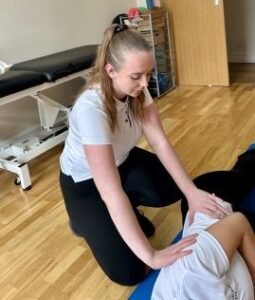
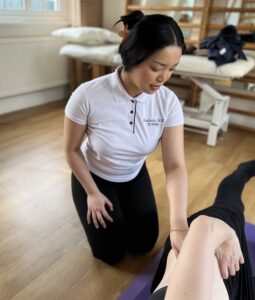
At Scoliosis SOS, we offer therapy-based scoliosis treatment that puts non-invasive methods at the forefront of scoliosis treatment. This includes creating an exercise plan that suits your individual needs and goals, championing your comfort, satisfaction, and convenience. In fact, our approach to scoliosis treatment is an excellent alternative to surgery!
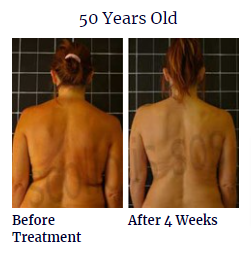
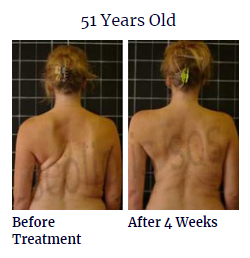
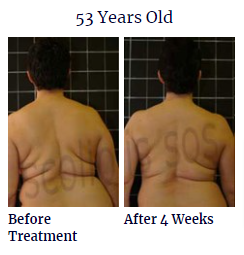
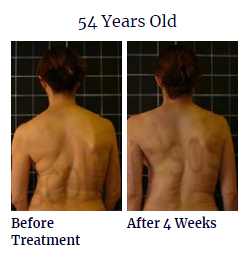
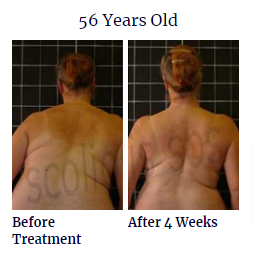
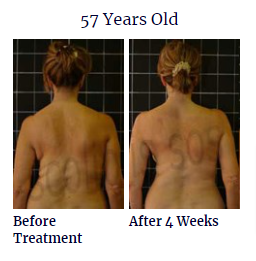
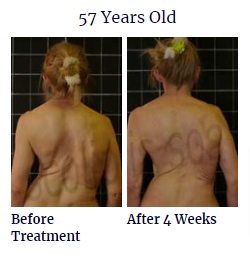
Before & After Treatment
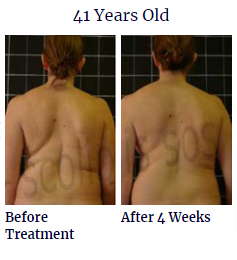
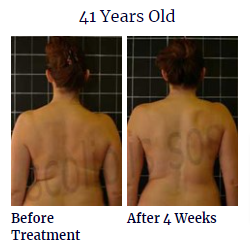
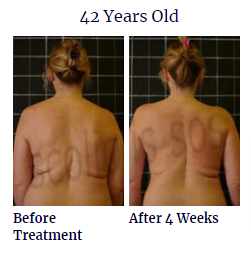
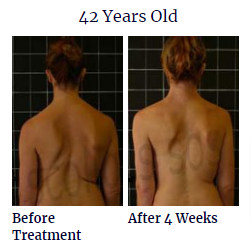
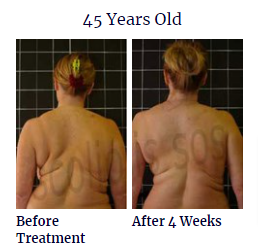
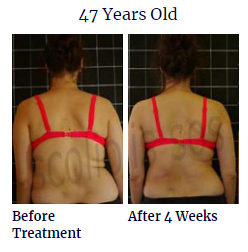
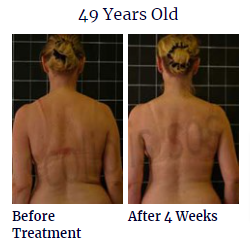
Our therapists have treated lots of adults with scoliosis. This is a purely exercise-based treatment method offered exclusively at the Scoliosis SOS Clinic, and it’s made up of many different non-surgical treatment techniques.
Regardless of your age and the severity of your spinal curvature, we can help you to achieve substantial improvements in your mobility, wellbeing and appearance.
Here you can see some of the results we’ve been able to achieve for our adult patients.
Managing Scoliosis as an Adult
Adult scoliosis can be managed with the right support and mindset. From doing recommended exercises to modifying your lifestyle and pain management, you don’t have to live in pain and worry after being diagnosed with scoliosis.
Our scoliosis treatment courses, which also include virtual therapy and in-person sessions, offer the flexibility and convenience of professional scoliosis treatment from scoliosis specialists.
Lifestyle Changes for Adult Scoliosis
Certain lifestyle changes can help with the management of adult scoliosis. This includes:
- Quitting smoking
- Dietary changes
- Maintaining a healthy weight
- Regular exercise/physical activity
While scoliosis might not be ‘cured’, lifestyle changes can help manage symptoms and relieve pain.
Case Study: Carol, 68 Years Old
Carol used to suffer so much pain from her scoliosis that her GP told her to ‘hang up her walking boots’.
Watch this video to find out how we helped Carol to manage her scoliosis and keep hiking.
If you are looking for scoliosis treatment to help you manage and alleviate symptoms of adult scoliosis, Scoliosis SOS and our scoliosis experts are on hand to help. To learn more about our services, or if you have any questions, please feel free to contact us to book a consultation.