What Causes Scoliosis?
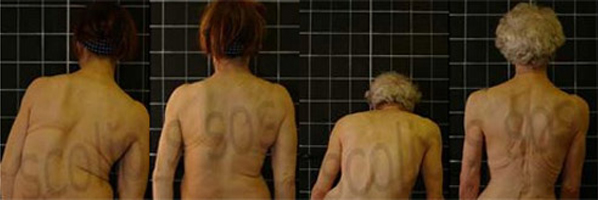
Scoliosis is categorised as a sideways curvature of the spine, and scoliosis symptoms can vary and include uneven shoulders, back pain and/or discomfort, ribs, shoulder, and/or hips sticking out on one side, leaning on one side, and more.
The main causes of scoliosis are sometimes unknown. This is called idiopathic scoliosis, indicating that there is no clear cause for the spinal curvature. It is estimated that roughly 8 out of 10 cases of diagnosed scoliosis are idiopathic. While scoliosis can happen at any age, scoliosis in children is prevalent, with the common age of diagnosis being 10 to 15.
The reason of scoliosis in teenagers and adolescents isn’t always clear, but is thought to be linked to genetic factors. Other factors that may increase the risk of scoliosis include diet, posture, exercise habits, or an underlying health condition. Mild cases of scoliosis in adolescents can be corrected with proper exercise and management as their body is still growing and developing at this stage.
The causes of scoliosis in adults, however, might be more clear, though this is not always the case. A sideways spinal curve could be the result of muscles and bones weakening due to age, or caused by an existing health condition such as cerebral palsy.
Cerebral Palsy
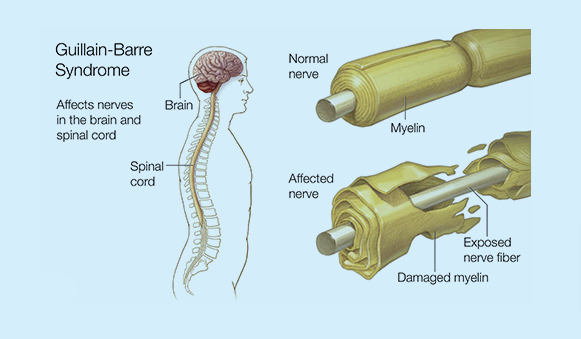
Guillain–Barré Syndrome
Klippel-Feil Syndrome
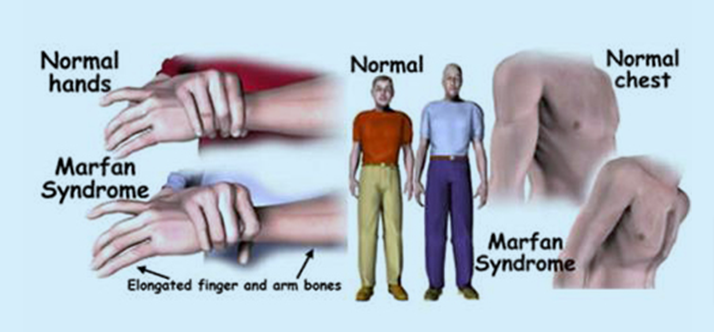
Marfan Syndrome
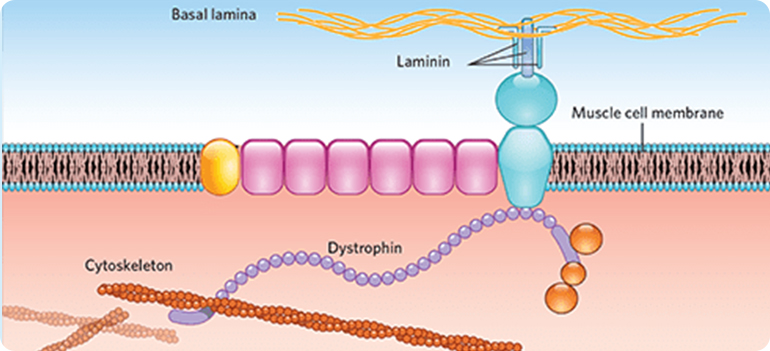
Muscular Dystrophy
Neurofibromatosis
Old Age
Pectus Excavatum
Rett Syndrome
Spina Bifida
Spondylolisthesis
Syringomyelia
Diagnosis and Treatment Options for Scoliosis
Scoliosis is diagnosed as more than a 10 degree curvature of the spine, which can often be seen on an X-ray. Scoliosis causes and treatment can vary depending on the severity of the curve and symptoms. In fact, there are many treatment options available for scoliosis, including:
- Observation – some individuals might not always require treatment, but simply observation to see how well they fare with symptoms and managing the condition
- Bracing – commonly used for adolescents with scoliosis, bracing can help prevent the curvature from worsening as their body grows
- Surgery – only used as a last resort for severe scoliosis, surgery may be recommended to realign the spine
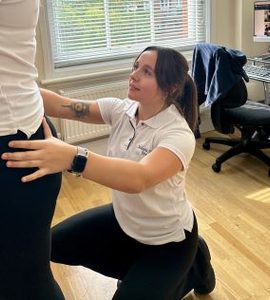
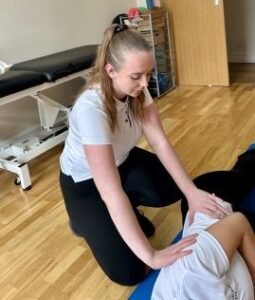
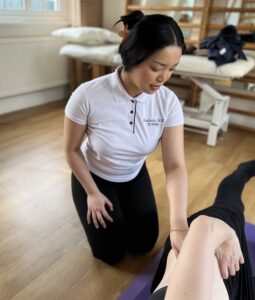
At Scoliosis SOS, we offer scoliosis treatment courses that are non-invasive and non-surgical, offering a tailored approach to scoliosis treatment that sees therapies, exercises, and more. We provide virtual therapy and in-person sessions to help you feel at ease, catering to your specific needs and preferences.
Are you interested in our scoliosis treatment methods? If so, then do not hesitate to contact us to learn more about how we can help you on your scoliosis journey. Our scoliosis specialists are always happy to help with any enquiries that you may have.